

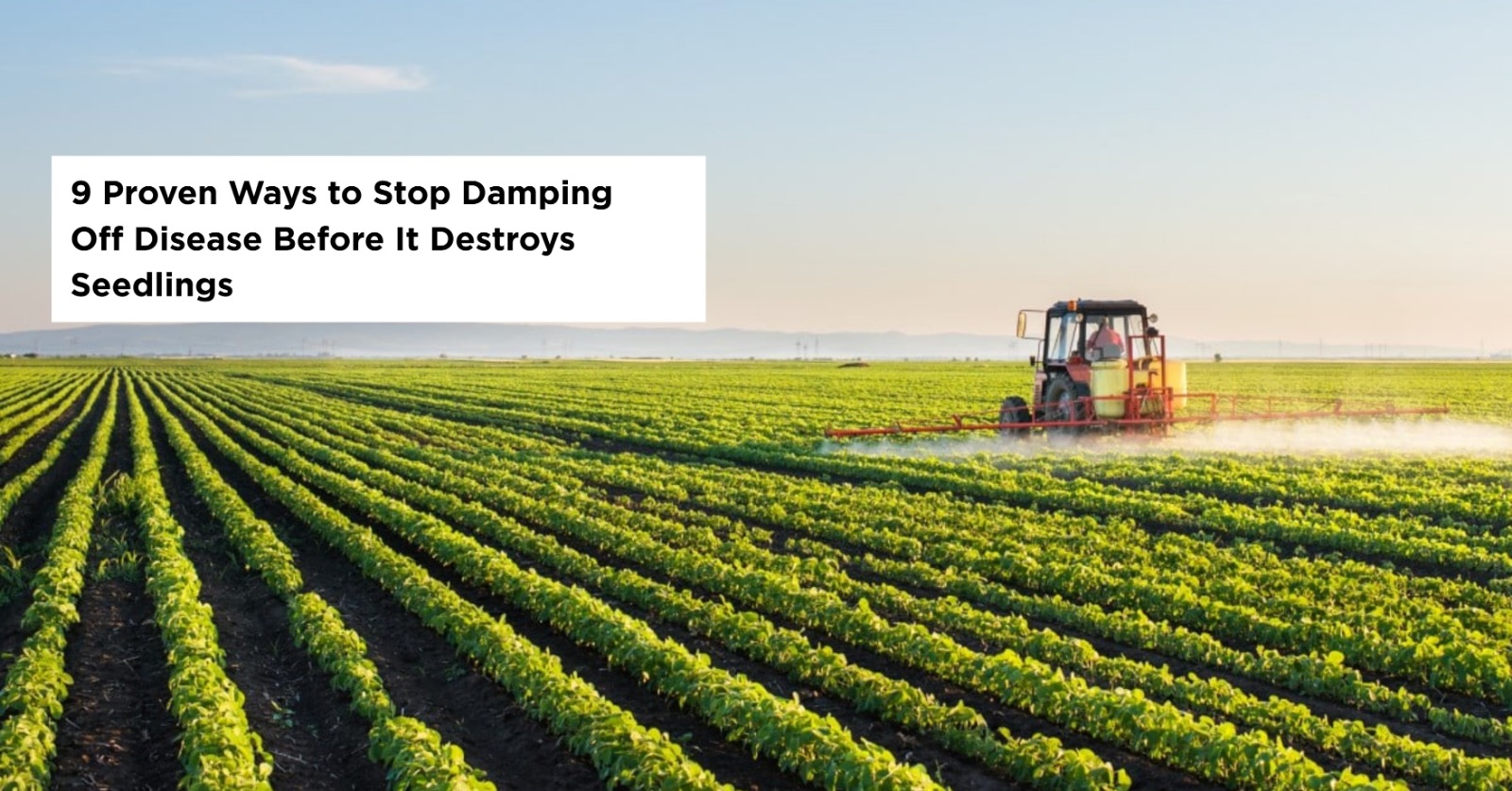
It’s really annoying for people growing their own food from seed to find all their little seedlings suddenly fall over and die. The stems will look squeezed right at where they come out of the earth, the leaves get floppy, and the whole tray of plants is gone in a few days. This is called damping off disease and it’s caused by fungi in the soil. Specifically, Pythium, Rhizoctonia, Fusarium and Phytophthora are among those that go after seeds and very young seedlings before the plants have had a chance to get strong.
Damping off doesn’t care what type of vegetable or plant family you’re growing, tomatoes, peppers, lettuce and radishes are all just as likely to get it. It happens most of the time when you’re starting seeds inside, as moisture, warmth, and lack of air movement are exactly what these fungi need to thrive. Once a plant is infected, you can’t really do much to save it, but thankfully, it’s easy to stop damping off from happening in the first place if you do things the right way.
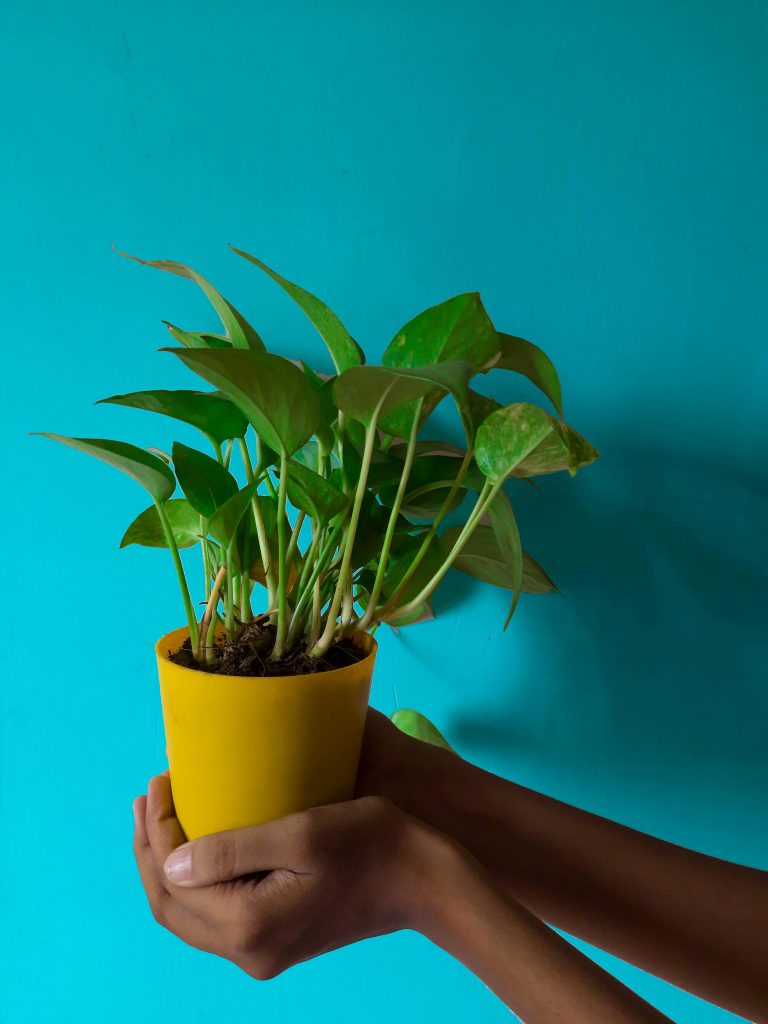
1. Start With Clean Containers Every Time
Lots of fungal problems start because people use old seed trays and pots for new plants without cleaning them. Pythium and Rhizoctonia spores are able to live on plastic or terracotta for months, you see. Before you plant anything, give all your pots a good scrub with a mixture of one part bleach to nine parts water, and then leave them to dry fully in the air. Doing just this will get rid of a big cause of problems with illness, before your seeds even get into the soil.
2. Use Sterile, Purpose-Made Seed Starting Mix
Damping off is very often caused by fungi that are already in dense garden soil or potting mix you’ve used before. For starting seeds, a new seed starting mix that hasn’t had anything growing in it is much better. These mixes are generally peat moss or coco coir with perlite, vermiculite and they’re light, drain well, and don’t have disease causing things in the soil. In fact, experts really recommend not using soil from the garden for seeds you are starting inside, and it doesn’t matter if the garden soil looks good.
3. Avoid Sowing Seeds Too Deep
If you put seeds deeper in the ground than they need to be, they’re down in the soil for a longer spell. And that’s where the majority of fungal spores are. Being exposed to these spores for this extra length of time really makes it more probable they’ll get infected before the little plant even pops out to get sunshine. Most tiny seeds only need to be planted about two or three times as deep as they are wide. Bigger seeds can be set a little deeper, but they’ll even do better with a somewhat more shallow covering in a soil that’s been made free of anything that could cause disease.
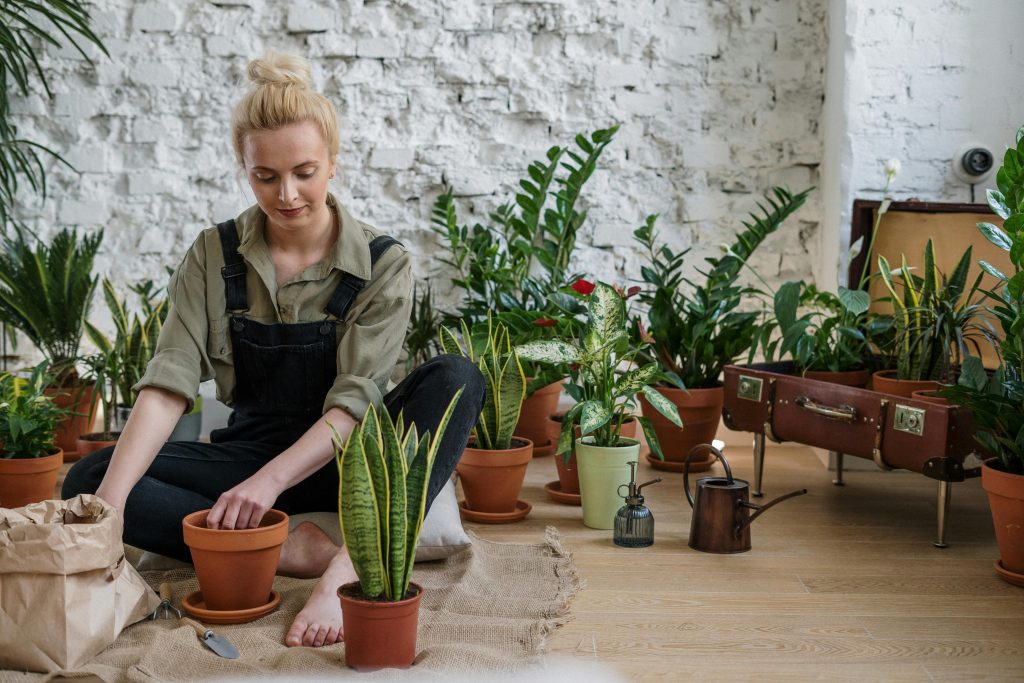
4. Thin Crowded Seedlings Early
When too many seedlings are crammed together, they all struggle for air and light. This builds up dampness right at the soil level, and that’s exactly what fungi love. You should give your seedlings enough room as soon as they grow their first real leaves by taking some out. It’s hard to pull up plants that look good, of course, but the ones you leave will get on much better. They will be stronger, have air moving around them, and won’t get fungal problems nearly as easily.
5. Water From Below, Not Above
When you water plants from above, the top of the soil and the little stems of new plants stay wet all the time, and that’s exactly what damping off fungi need to grow and move around. Instead, with bottom watering (so putting seed trays in a bit of water so the soil pulls the water up through the holes in the bottom), the surface of the soil is much more likely to be dry, but the roots still get as much water as they need. Using only this method lowers your chances of the plants becoming infected a lot.
6. Keep Foliage Dry
When leaves and stems are wet, fungal spores can get into the plant very easily. If you need to water from overhead, try to get the water onto the soil around the young plant, and don’t let it spray onto the leaves. Also, watering earlier in the day is a good idea; this way, if any water does get on the leaves, it has a chance to dry off before the temperature drops at night.
7. Improve Air Circulation Around Seedlings
When air doesn’t move, moisture collects around young plants and this is exactly what causes fungal diseases to thrive. A little oscillating fan on its lowest setting, pointed at the seed containers (but not with a strong, direct flow of air), really helps the air circulate. This light movement of air does two things: it reduces the dampness on the soil, and it makes the seedling stems stronger, as if they were being gently blown by the wind outside.
8. Maintain Proper Temperature Ranges
If the ground is too cold, seeds take ages to sprout and end up staying in the wet soil for much longer than they should. But if it gets way too hot, particularly where air doesn’t move around much, then things that cause rot (fungi) grow very quickly. Most little plants beginning to grow do best in soil temperatures between 65 and 75 degrees Fahrenheit. You can use a heat mat to keep the ground at a steady temperature, yet it’s important to switch it off or take it away once the sprouts appear. Otherwise, the area right at the top of the soil will become too hot and steamy.
9. Provide Adequate Light From Day One
If you start plants from seed in dim conditions, they get long, flimsy stems and are much easier for fungus to get into. But a strong light, either from a good growing lamp or a really sunny window looking south, will give you short, strong plants that won’t get sick as easily. The lights need to be between two and four inches above the plants themselves, and you’ll want to have them on for fourteen to sixteen hours each day. Also, as the seedlings get bigger, changing how far the light is from them will stop them from becoming long and weak.
Why Cinnamon and Other Home Remedies Fall Short
Lots of gardeners say to put cinnamon powder on the soil to stop damping off, but experts on plant diseases have discovered that cinnamon’s very gentle ability to fight fungus (and it only shows this in labs) isn’t useful when you use the amounts we use at home. Damping off is caused by fungal spores living inside the soil, not on top of it, so simply putting something on the surface won’t do much good. To really prevent damping off, you’re best off being tidy, watering correctly, giving plants plenty of air movement, and sufficient light; a single quick fix isn’t the answer.
Key Takeaway
Once damping off disease gets to your seedlings, you can’t fix it, but you can pretty much stop it from happening in the first place. Fungal diseases that cause it have a really hard time starting if you use clean pots, seed starting mix that’s been made sterile, water from the bottom of the tray, make sure the air moves around the seedlings, and provide plenty of light. If gardeners use these nine methods all the time, they’ll lose much fewer plants when starting seeds inside.
Leave a Reply