
Lots of people who grow their own vegetables think you need eight or more hours of strong sunlight each day for a good harvest. However, tomatoes, peppers, squash and other plants that really love the sun are not the only edibles. In fact, a lot of things you can eat are happy in, or at least can manage, some shade. If you have shade from trees, your garden faces north or buildings block the sun in the afternoon, you’ll find you can grow a lot more than you think.
Three to six hours of direct sun is what experts mean by partial shade, and full shade is less than three. Importantly, leafy greens, root vegetables, and many herbs will give you a good amount of food with only three or four hours of sunshine, and it’s even better if the sun is in the morning when it’s not so hot. Plants that make fruit (and therefore need to flower and then form fruit) almost always require six hours or more of sun to do well.
Leafy Greens: The Stars of Shade Gardens
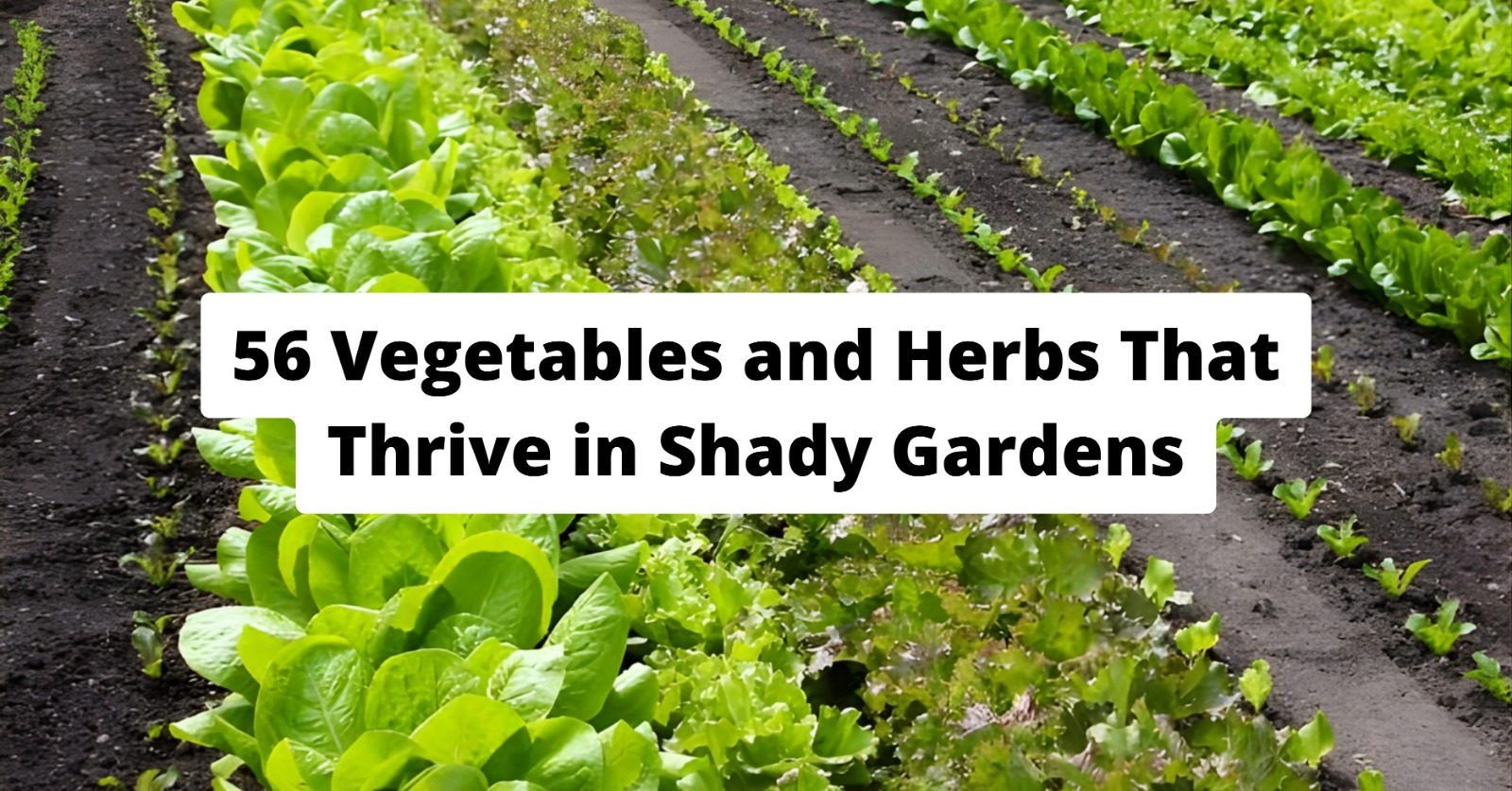
If you’re looking for food plants that can handle shade, leafy greens are the best choice by a good margin. You can get a nice crop of lettuce, spinach, arugula, kale, Swiss chard, bok choy, mustard greens, and collard greens with just three hours of sun. What’s more, lots of leafy greens even do better with some shade in the afternoon when it’s hot; the cooler temperatures mean they won’t “bolt” (send up a flowering stem and get bitter) as quickly. Gardeners in warmer places can keep getting leafy greens for many more weeks just by putting them somewhere with a bit of shade.
Mache (also called corn salad), endive, escarole, radicchio, mizuna, tatsoi, sorrel, cress and New Zealand spinach are also good in the shade. Because there are so many different tastes and feels to these greens, you can make all sorts of interesting and different salads all season long in a shady garden.
Root Vegetables That Handle Partial Shade
Root vegetables as a rule need more sun than lettuce or spinach, yet lots of different kinds will still give you a good amount of food with four or five hours of direct sunlight. You can grow beets, radishes, turnips, carrots, parsnips in a spot with some shade; the roots will be a little smaller than if they had sun all day. But this is often a good compromise, particularly if you don’t have a huge amount of completely sunny area and are using that for plants that really need the heat. Potatoes can handle partial shade too, but the more the sunlight goes under five hours, the less you’ll get from them.
Herbs That Flourish Without Full Sun
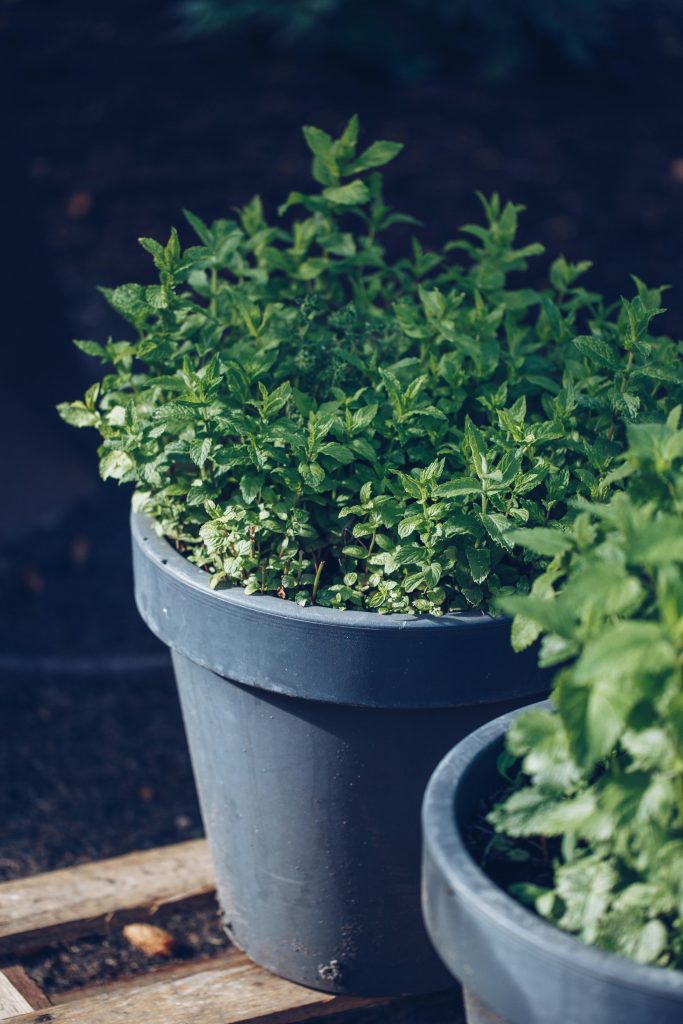
Lots of the herbs we use all the time to cook with originally grew on the forest floor and at the edges of woods, and because of this, they’re used to not getting tons of bright light. Parsley, cilantro, chives, mint, lemon balm, tarragon, oregano will happily grow in spots that are only sunlit for part of the day. Mint is especially robust in the shade, and will spread everywhere if you don’t keep it in check. Basil is the one that’s different from the others; it needs a lot of sunshine and warm weather to develop its fullest flavour and to grow lots of leaves.
Alliums and Brassicas for Shady Spots
Green onions, scallions, leeks, chives, and garlic greens (all in the allium family) are quite happy with some shade. To get a good size from proper bulb onions and garlic, they do require lots of sun, but if you’re growing them just for the leafy green parts, four hours of sunlight will be enough. In the same way, you can get a crop from broccoli raab, kohlrabi, Brussels sprouts (which are brassicas), even in partial shade, although the heads or sprouts themselves will likely be smaller than if they had full sun.
Edible Perennials for Long-Term Shade Production
Lots of foods you can eat that last for many years do well in gardens that don’t get sun all the time, and you don’t have to plant them again each year. Rhubarb, asparagus, and horseradish will all handle getting only some sun. And wild ramps (also called wild leeks), wood sorrel, plus alpine strawberries and lingonberries (which are ground-cover berries) are all plants that are originally from forests, and will give you a good harvest even if they aren’t in full sun. Putting these kinds of long-lasting, shade loving edibles in your garden gives you a food supply that won’t require much work, in places you might not have used for growing anything.
Key Takeaway
Just because your yard is in shade doesn’t mean you can’t grow food. Lots of leafy greens, most root vegetables, herbs, alliums (that’s onions, garlic, leeks and their relatives!), and many plants that come back year after year do very well with three to six hours of sunshine. What’s important is to pick what you grow to suit the amount of light you have: put leafy greens in the very darkest areas, root vegetables in spots with at least four hours of sun, and save the sunniest places for things that need bright light to make fruit.
Leave a Reply