


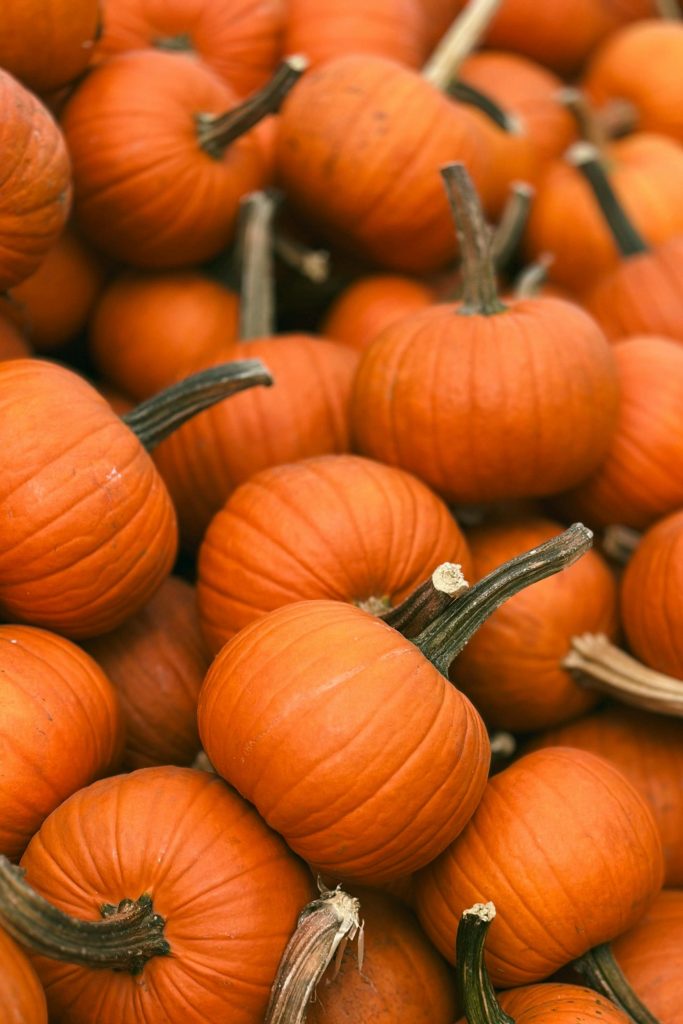
You can harvest pumpkins and winter squash in September or October and enjoy them for food all the way through January, February or even March if you get them ready correctly after pulling them from the garden. This preparation, called curing, is straightforward but really important. It makes the outer skin thicker, allows little scrapes and marks on the surface to get better, and lowers how much water is inside the orange part. All of these things make them last a lot longer in storage. Without curing, even the toughest types of winter squash will start to spoil in just a few weeks after you’ve harvested them.
What Happens During the Curing Process
When squash is cured, you basically keep it in a warm, dry place and this causes the skin to go through a lot of changes. As it slowly loses a little water, the skin gets tougher and firmer, which is a much better defense against spoiling from things like bacteria and mold. All those little nicks, scratches, and injuries to the stem (and you’re almost certain to get them when you harvest) develop a sort of protective scab over them, keeping rot at bay. Also during curing the starch within the orange part of the squash begins to turn into sugar, and that’s the reason a butternut or acorn squash that’s been properly cured is clearly sweeter than one you just took off the vine.

The Ideal Curing Conditions
Winter squash does best when it’s “cured” (or dried) in a warm, dry place with air moving around it. Eighty to eighty-five degrees Fahrenheit is the perfect temperature, and the air shouldn’t be too damp (between 50 and 60 percent humidity). Outside on a patio table, on a dry bit of grass, or on something raised and fully in the sun is good when the autumn weather is warm and dry. But if it looks like it’s going to rain or the temperature falls below fifty degrees at night, the squash needs to go somewhere warm inside, for example, in a garage, a sunroom, or a porch that’s closed in. Most types of squash need ten to fourteen days to cure, although some people who garden leave them for three weeks, which makes the skins very firm.
Which Varieties Need Curing (and Which Do Not)
With butternut, spaghetti, hubbard, kabocha, and pie pumpkins, almost all kinds of winter squash improve if you cure them. However, surprisingly, experts at agricultural centers don’t recommend curing acorn squash; keeping it warm for too long will actually make it go bad sooner. You should get acorn squash into a cool place (between 50 and 55 degrees Fahrenheit) right away after picking. And delicata squash is a bit like acorn squash: it doesn’t last as long, usually only two or three months with curing, while types with thicker skin can be good for four to six months.
Long-Term Storage After Curing
When winter squash is completely at its best, put it in one layer (don’t pile them up) in a place that’s dark, cool, and dry and where air can move around. Fifty to fifty-five degrees Fahrenheit is the best temperature and the moisture in the air should be somewhere between fifty and seventy percent. A basement, a root cellar, an extra room that isn’t heated, or a garage with insulation are often good enough. You should look at the squash frequently for soft parts, mold, or anything else showing it’s going bad, and use or get rid of any that have these issues so they don’t make the others spoil. If you treat them right, butternut squash will be good for five or six months, and a blue hubbard squash can be kept for as long as eight months.
Key Takeaway
If you let pumpkins and winter squash sit at between 80 and 85 degrees Fahrenheit for ten to fourteen days once you’ve picked them, their skins will get harder, any cuts or bruises will mend and the starch inside will turn into sugar. This makes them keep for four to eight months, though how long exactly depends on the type of squash. Acorn squash is different; don’t cure those, just put them in a cool place. And for the best chance of keeping any squash for a long time, after curing, spread them out in a single layer somewhere between 50 and 55 degrees Fahrenheit where air can move around them easily.
Leave a Reply