
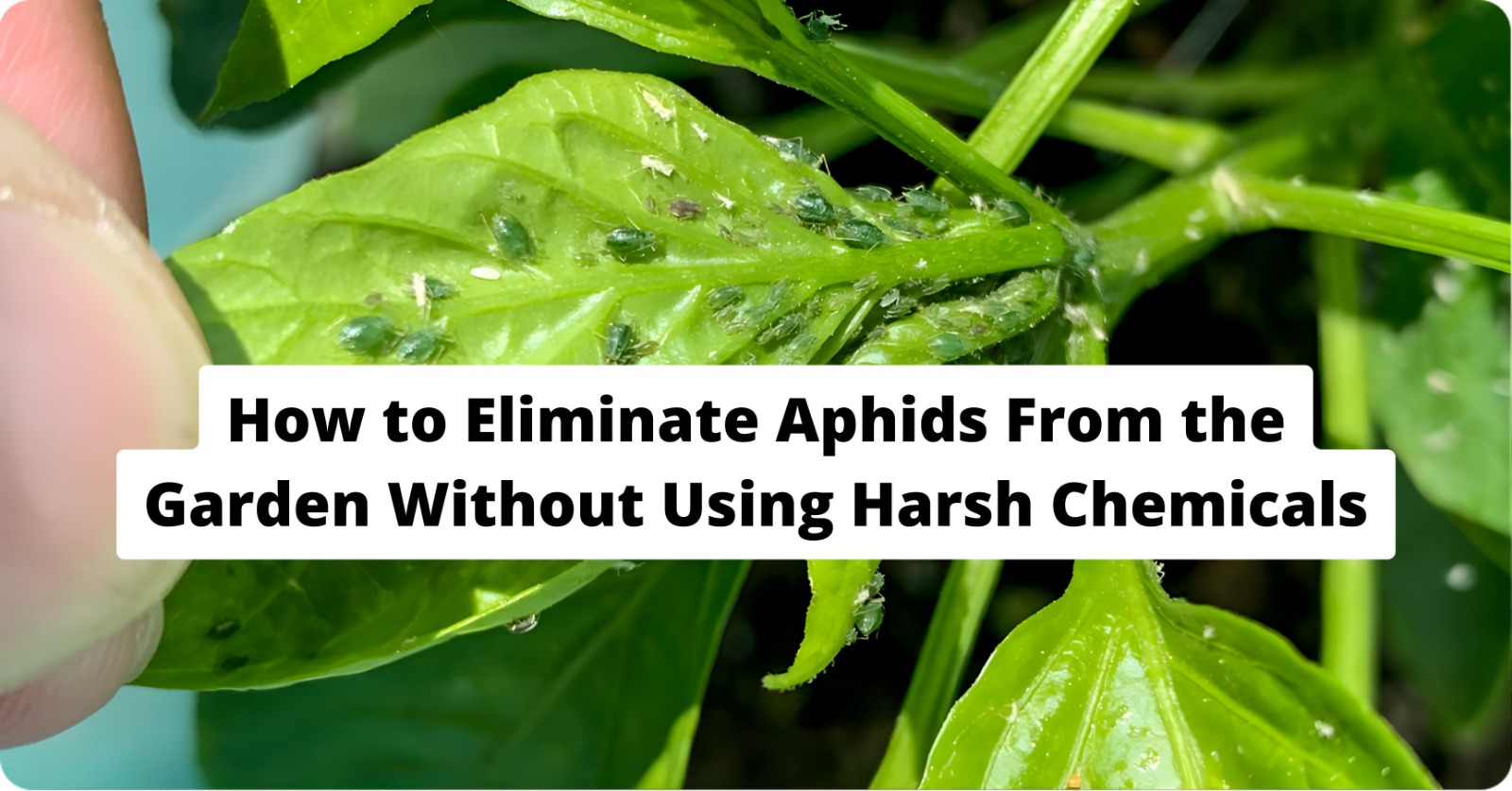
Aphids are a really frequent and annoying problem for home gardeners everywhere. You’ll find these little, squishy bugs in groups on the backs of leaves and on new, soft shoots, where they suck the juices out of plants and can even spread viruses from one plant to another. One aphid can have loads of babies without a male, so a few can quickly become a huge issue in just a week when it’s warm. Luckily, they’re also some of the easiest pests to get rid of without using artificial insecticides, as long as you deal with them quickly and know about all the natural ways to control them.
Start With a Strong Blast of Water
You can get rid of aphids very easily and quickly by strongly spraying the plants they’re on with water from a hose. The water knocks the aphids off, and most of them on the ground won’t manage to crawl back onto the leaves. This is most successful when you first notice the aphids, before there are loads of them. A blast of water every couple of days for a week, so two to three days between each one, will usually get rid of a small or average aphid issue completely, and you won’t need anything else to help.
Homemade Insecticidal Soap Spray
If you’ve got a lot of bugs and they’re really staying, insecticidal soap is a really good, and not very poisonous, natural way to get rid of them. You can make your own: just mix one to two tablespoons of pure liquid castile soap (don’t use dish soap, it’s too harsh on plants!) with a quart of water in a spray bottle. For it to be effective, the soapy water has to actually touch the aphids, because it breaks down the protective wax on their bodies, and they dry out and die quickly. You should spray early in the morning or late in the day to stop the wet leaves from burning in the sun. And importantly, you need to spray the underside of the leaves, as that’s where the aphids are usually found in the biggest numbers.
Attracting Natural Predators
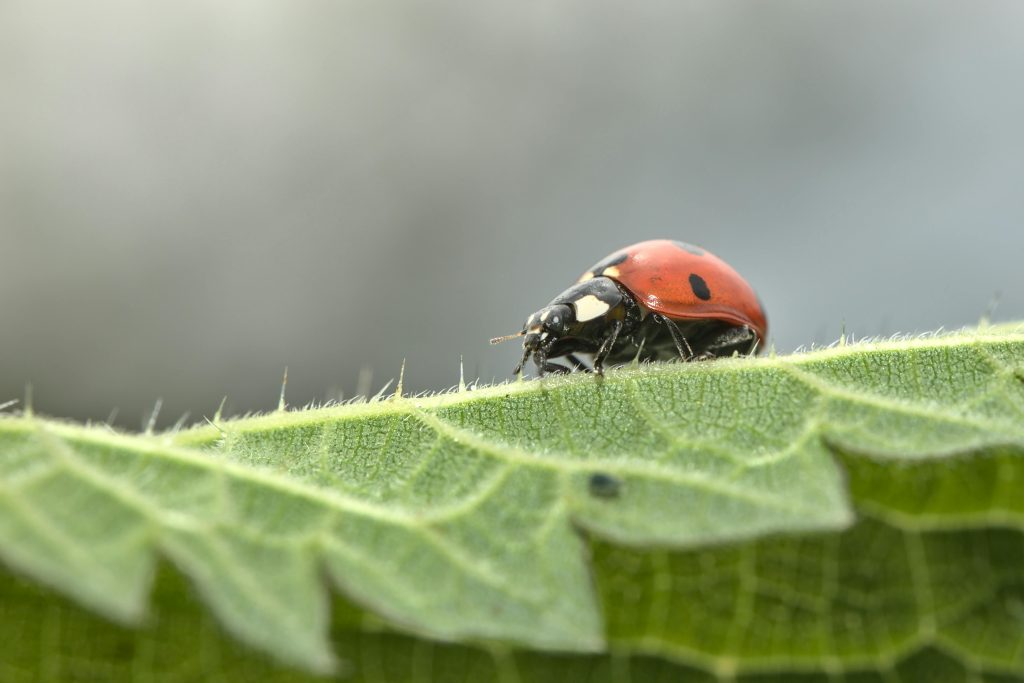
If you want to get rid of aphids for good, the best thing to do is create a garden environment that welcomes their natural enemies. Ladybugs, lacewings, hoverflies, parasitic wasps, soldier beetles are all very hungry for aphids. Planting herbs and flowers with lots of little blooms like dill, fennel, yarrow, sweet alyssum, cilantro, and calendula alongside your vegetables gives the good bugs the nectar and pollen they need to live and come back for more. Lots of different flowers being open at the same time in a varied garden will naturally keep a good number of these predators around, and they’ll control the aphids without you having to do anything!
When Aphids Become a Serious Problem
You can usually deal with aphids using the ways I’ve already mentioned, but sometimes you’ll have to be a lot stronger in your approach. Plants which are seriously covered in aphids and are looking rather poorly (their leaves will be curled, yellowed, or not growing properly) probably need neem oil. This is because neem oil both kills aphids and keeps them away. It’s good for organic gardens, and it’ll work on aphids if you give every single part of the leaf a good coating, and then repeat this every seven to ten days until the number of aphids is down. If one plant has a truly huge number of aphids and is likely to spread them to all your other plants, the best thing to do might be to get rid of the whole thing.
Key Takeaway
You can usually get rid of aphids without using man-made pesticides, but you need to start right away. A good, forceful spray of water will get rid of a lot of them if you don’t have many. If there’s a middling amount, insecticidal soap (the kind from castile soap) is effective. Ladybugs, lacewings and other insects that eat aphids can be encouraged to come to your garden by planting certain flowers; this gives you a way for things to balance themselves and stop a lot of aphids from appearing later. For when the aphid situation is really bad, neem oil is an organic solution. Essentially, find them and deal with them before the number of aphids gets huge.
Leave a Reply