


Lots of gardeners are now growing milkweed because it helps monarch butterflies…and that’s wonderful. However, a lot of people who start growing it find the seeds don’t sprout well, or the milkweed quickly takes over their garden, or (and this is what’s most upsetting!) the monarchs don’t even come to the plants. Luckily, almost all of these issues are from a small number of typical errors, and with a bit of knowledge, they’re easily prevented.
Mistake 1: Skipping Cold Stratification
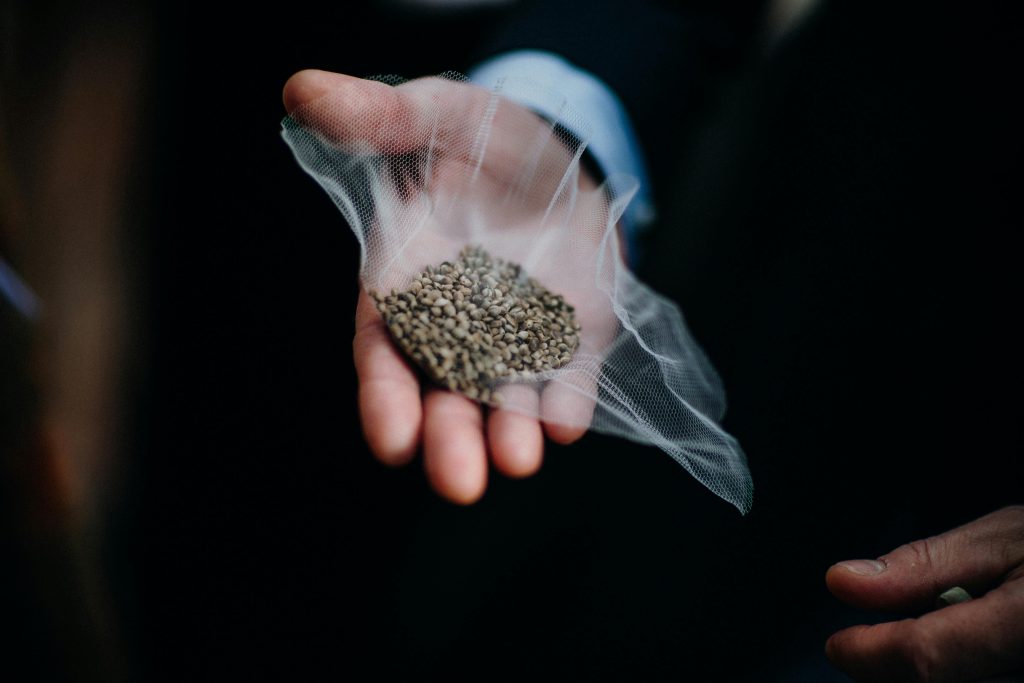
Milkweed seeds usually don’t start to grow because people plant them without doing something called cold stratification. Essentially, this is giving the seed a long time of being cold and wet, which wakes it up from its natural sleep. Outside, milkweed seeds drop in autumn, get cold throughout the winter, and then sprout in the spring. If you try to start the seeds inside and don’t copy that cold period, they won’t come up. Luckily, it’s easy to fix: put the seeds between damp paper towels within a zipped plastic bag and into the fridge for four to six weeks before planting. Or, you could just plant the seeds outside in late fall and allow the winter cold to do the trick.
Mistake 2: Choosing the Wrong Species
Different kinds of milkweed act in quite different ways in a garden. Common milkweed (Asclepias syriaca) is a very enthusiastic spreader, sending out roots underground to cover a lot of ground and quickly taking over a garden unless you stop it. That’s actually good for bringing back meadows or for big yards, but in a little flower bed it will become too much, and your neighbours might not be so pleased. If you don’t have a lot of room, go for milkweed that grows in a bunch, like butterfly weed (Asclepias tuberosa) or swamp milkweed (Asclepias incarnata) – these types stay put and won’t send growth into other parts of your garden. And if you are gardening to help monarchs, it’s best to not use tropical milkweed (Asclepias curassavica) as studies show that because it keeps growing all year in warmer places, monarchs on it get more parasites.
Mistake 3: Expecting Results in the First Year
Most of our naturally occurring milkweeds come back year after year, and when they’re starting out, they spend their first year growing a strong, deep root system instead of lots of leaves and flowers. Because of this, young plants can be quite small and not very impressive, and this often makes people think they haven’t grown at all. Actually, milkweed will normally get two or three times bigger in its second year, and by the third year it’s fully grown and flowering. You really do need to be patient while it gets going, because after that you’ll be rewarded with lots of blooms. A grown milkweed will have many flower heads, which will appeal to monarch butterflies and loads of other pollinators.
Mistake 4: Removing Caterpillars or Their Damage
If you grow milkweed to get Monarch butterflies to visit, you might be worried when you see caterpillars munching all the leaves off the plant. Monarch caterpillars are seriously hungry and can leave a milkweed plant bare in just a few days. But this is how it’s supposed to happen, and the milkweed will be fine. In fact, milkweed is used to being eaten that much and will usually get a fresh start with new shoots from the bottom once the caterpillars have eaten their fill and turned into chrysalises. Don’t get rid of the caterpillars or spray the plant with anything to kill bugs, not even the natural kinds, because you’re planting the milkweed to help the Monarchs in the first place.
Key Takeaway
To get milkweed to thrive for monarch butterflies, you first need to cold stratify the seeds before putting them in the ground. Then, select milkweed varieties that won’t spread all over the place and that will fit nicely in your garden. You’ll have to be patient for the first year while the plants get going, and you should anticipate that monarch caterpillars will munch on the leaves. Importantly, if you live in a warmer area, don’t use tropical milkweed, as it’s not good for the butterflies. If you do these things, your milkweed garden will be a good home for monarchs by its second or third year of growth.
Leave a Reply