
Gardeners who’ve been doing this a while understand that how warm the air is isn’t what really decides if seeds will start to grow. The actual warmth of the ground is much, much more important for getting those initial life-processes going in a seed that’s been resting. One of the biggest reasons seeds don’t come up well, or come up at all in a nice row, is putting them in dirt that hasn’t gotten to the lowest temperature it needs to be to sprout. And you can easily avoid this with a cheap soil thermometer.
Each vegetable, herb and flower seed wants a particular temperature range in the soil to begin growing, and a best temperature for the fastest possible sprouting. If you plant at that ideal temperature, instead of only at the lowest it will work, you can get sprouts in days instead of weeks. In fact, agricultural college researchers have shown seeds at their perfect soil temperature will usually sprout fifty to seventy percent more quickly than if they’re at the lowest temperature they’ll manage.
Cool-Season Crops: Planting When the Soil Is Still Cold
Cold-season vegetables are surprisingly able to withstand cold earth. Peas will start to grow in ground as cold as 40°F, but they come up much more quickly at 60°F to 75°F. Lettuce will sprout in soil from 35°F up to 80°F, and in fact won’t sprout at all if the ground is hotter than 80°F. Spinach, radishes, carrots, beets all dependably begin to grow when the soil gets to 45°F to 50°F, but do best at 60°F to 70°F. You can plant these things in the ground weeks before the last frost is expected, so long as you’ve used a soil thermometer to be sure the ground is warm enough.
Warm-Season Crops: Patience Pays Off
Tomatoes, peppers, squash, cucumbers and beans are all vegetables that do best in the heat and need much warmer ground before their seeds start to sprout. For tomatoes, the soil should be at least 50°F, though they will do best in temperatures from 65°F to 85°F. Pepper seeds won’t even start to grow unless the soil is 60°F at least and they like it between 70°F and 90°F for fastest growth. Squash and cucumber seeds want the ground at a minimum of 60°F, and they sprout in the best way when it’s between 70°F and 95°F. Beans are similar, preferring 60°F or higher, and germinating most quickly from 70°F to 80°F. If you put these seeds into cold soil, they’ll likely rot, not sprout.
How to Measure Soil Temperature Correctly
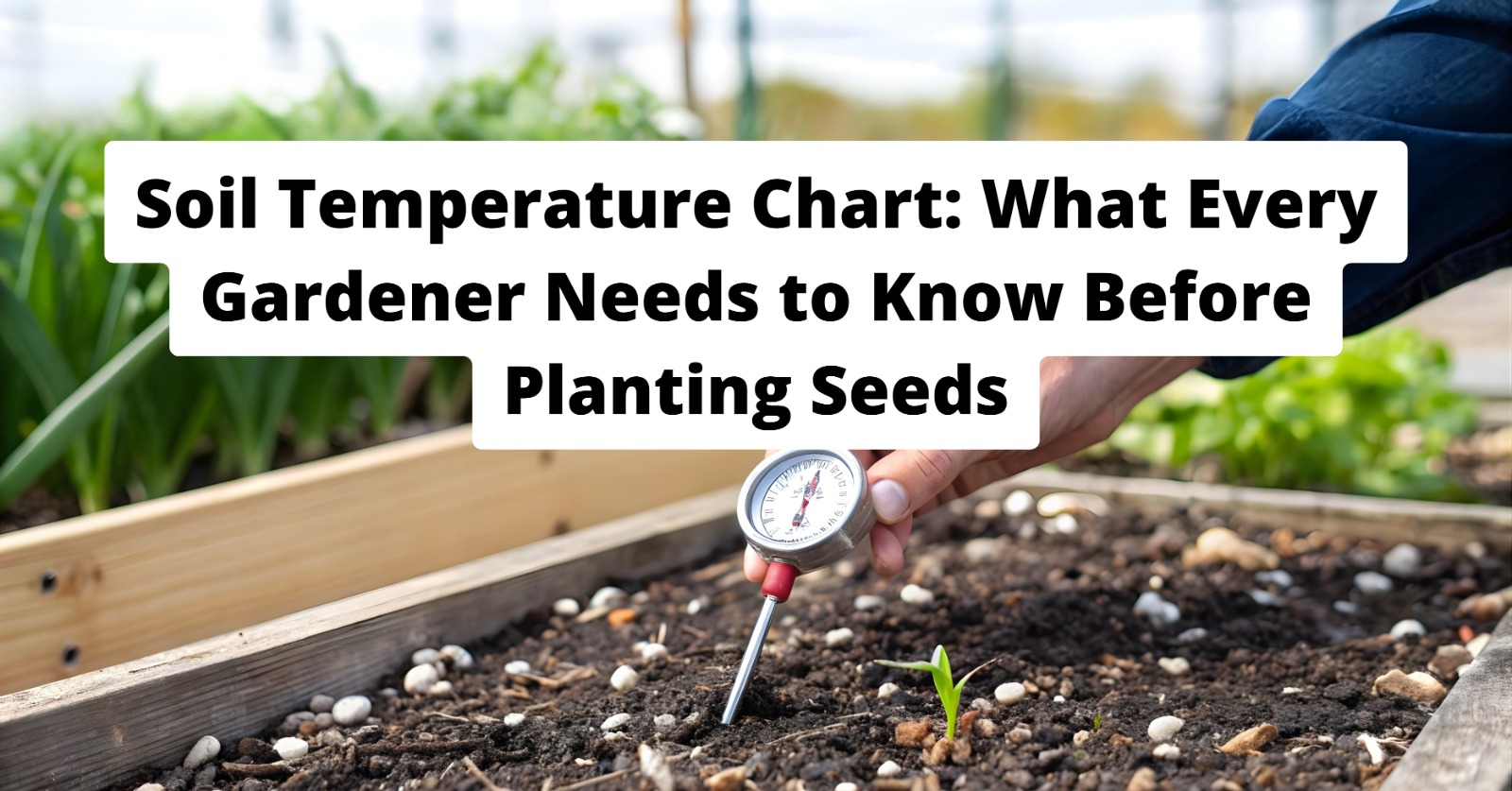
For most veggies, you’ll want to check the temperature of the soil where you’re putting the seeds, and that’s generally two to four inches down. Get the reading in the morning (when the soil is at its lowest temperature) and do it for three days in a row to get a good, steady average. Soil gets warmer and cooler as the day goes on, so just one warm temperature from the afternoon won’t give you a true idea of things. You can easily find cheap, normal or digital thermometers for gardens and they will be perfectly accurate for this.
Techniques to Warm Soil Faster
If you’re keen to get things growing with warm-weather plants sooner, there are a few ways to get your soil warmer, earlier in the year. Black plastic sheeting over your garden patch will soak up the sun’s warmth, and within a week, you can get the soil temperature up by five to ten degrees Fahrenheit. Clear plastic does this even more quickly, though unfortunately it also means more weeds will sprout underneath. Because the soil is higher up and gets sunlight and air on more sides, raised beds warm up faster than gardens at ground level. Row covers and cold frames hold the sun’s warmth and make a greenhouse type of effect, warming the soil and the air. And in a lot of places, using raised beds with black plastic mulch together can mean you can start planting two or three weeks earlier than normal.
Key Takeaway
How well seeds start to grow depends on how warm the soil is, not the air. If you’re planting things that do well in cold weather, you can get them in the ground when the soil gets to between 40 and 50 degrees Fahrenheit. Plants that like it hot though, need the soil to be 60 degrees or warmer. To get a good sense of the temperature, check it at how deep you’ll be planting the seeds, on three days in a row. Gardeners who choose seeds for the temperature of their soil regularly get the seeds to sprout quicker, with them all coming up at pretty much the same time, and the little plants end up much hardier.
Leave a Reply