
People often don’t use fertilizer correctly in their home gardens. Lots of gardeners think plants will grow better with more plant food, and because of this, they tend to apply it too frequently, use way too much, or feed the plants at a bad time while they’re growing. This causes all sorts of issues, from destroying the roots and slowing growth to polluting the streams, rivers and other water in the area. If gardeners can understand the typical errors they make with fertilizer, they can use it properly and won’t end up with a good thing doing harm instead.
1. Fertilizing Without a Soil Test
Putting fertilizer on your garden without knowing what’s in the soil is like taking any old medicine and hoping for the best; you haven’t got a diagnosis. In fact, lots of garden soil that’s been around for a while has plenty of phosphorus and potassium, perhaps even too much, because of all the fertilizer, old mulch and compost that has been added to it over time. If you just add a “complete” fertilizer (one with all three of the main foods plants need) to ground that’s only short of nitrogen, you’re throwing your money away on phosphorus and potassium you don’t require and might even cause your plants to have problems getting the balance of nutrients they need to thrive. A soil test will tell you precisely what is missing and how much of it, so you can add exactly what’s needed and get good results with no drawbacks.
2. Using Too Much Fertilizer at Once
When plant roots are really close to a lot of fertilizer, the fertilizer’s ‘saltiness’ causes damage by pulling water from the roots instead of letting water go in. This looks a lot like the plant is suffering from a terrible dry spell: the edges of the leaves turn brown and get crunchy, the plant wilts even if the soil is wet, and if it’s very bad, the roots will die entirely. This is known as fertilizer burn and happens most of the time because of granules being put right next to the plant’s stem, or because someone has made liquid plant food stronger than the instructions on the container say to. To give plants food regularly but safely, follow the amount on the label exactly or, even better, use half as much of the recommended amount, more often.
3. Applying Nitrogen-Heavy Fertilizer During Fruiting
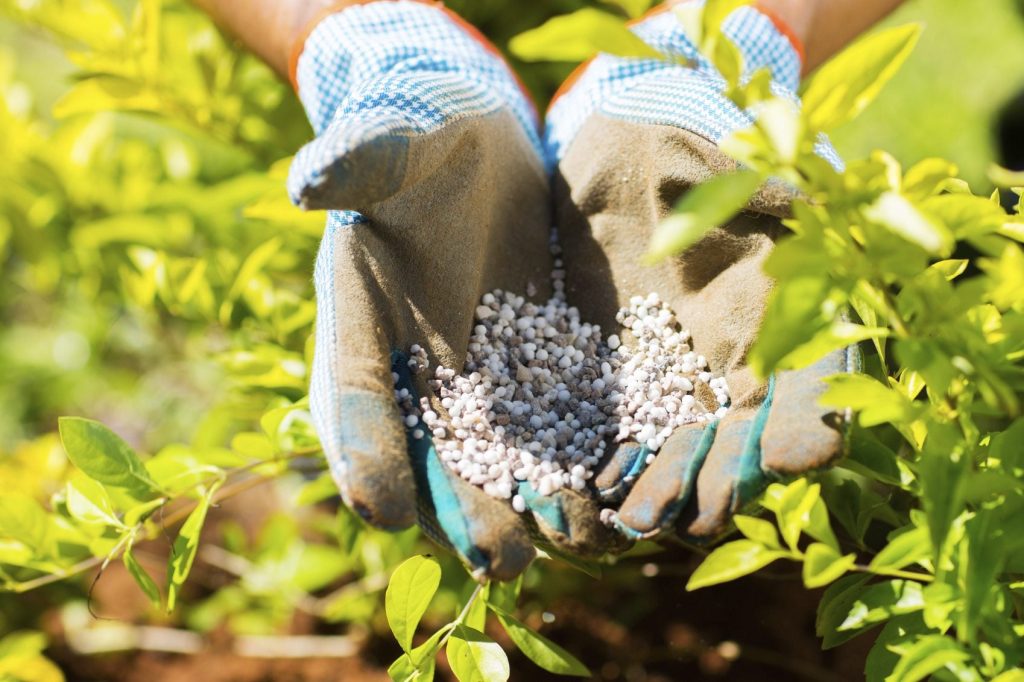
Young plants really benefit from nitrogen, and it helps them make lots of healthy leaves and strong stems as they get going. However, when they start to flower and form fruit, too much nitrogen will send the energy back into growing leaves instead of making fruit. You’ll often find tomato plants that are given a lot of nitrogen when the fruit is developing have a huge amount of dark green growth but very few tomatoes. So, as soon as you see the beginnings of flowers, a fertilizer that has less nitrogen but more phosphorus, potassium is best. This way it will help the plant with flowers and fruit, and it won’t push it to make a lot of extra leaves.
4. Fertilizing Dormant or Stressed Plants
Don’t fertilize plants that are resting for the season (like deciduous trees in winter), ones you’ve just planted, those that are very thirsty from drought, or those getting over problems with bugs or illness. Plants that are dormant can’t take in food, so the fertilizer just runs off or builds up in the soil and could become too strong. And plants already under a lot of strain need water, a bit of time to get better, and to be kept steady; fertilizer makes them work harder internally when they’re already having a hard time doing even the basics. Instead, feed plants when they are busily growing and can use the nutrients right away.
5. Relying Solely on Synthetic Fertilizers Without Building Soil Health
Plants can take up synthetic fertilizers straight away because the plant food is in a form dissolved in water, and this gives them a much faster burst of growth than you’d get with something organic. But synthetic feeds don’t do anything for the soil itself; they add no organic stuff, don’t nourish the tiny life in the soil, and don’t make the soil’s shape or arrangement better. If you use only synthetic fertilizer for ages, you’ll actually harm the life within the soil, it will hold onto less water, and become much more solid. Really good, productive gardens use synthetic fertilizers carefully, for a quick pick-me-up when a plant needs it, but also continually improve the soil for the long haul with compost, mulch, plants grown to improve the soil (cover crops), and other natural things which provide food for the community of life in the soil that keeps it fertile.
Key Takeaway
When people mess up with fertilizer, they usually do one of five things: they don’t bother to test their soil, they give plants a huge dose all at once, they add nitrogen while the plant is making fruit, they fertilize plants that are already struggling or are doing nothing (being dormant), or they only use man-made fertilizer. And all of these things actually do the opposite of what you’d hope for in the garden. Testing the soil removes all uncertainty, using fertilizer at about half the recommended strength stops it from burning the plant, giving the fertilizer at the right time in the plant’s development gets the best results, and a mix of specific man-made feeds with continuously improving the soil with organic matter gives you a garden that is reliably fruitful, year after year.
Leave a Reply