
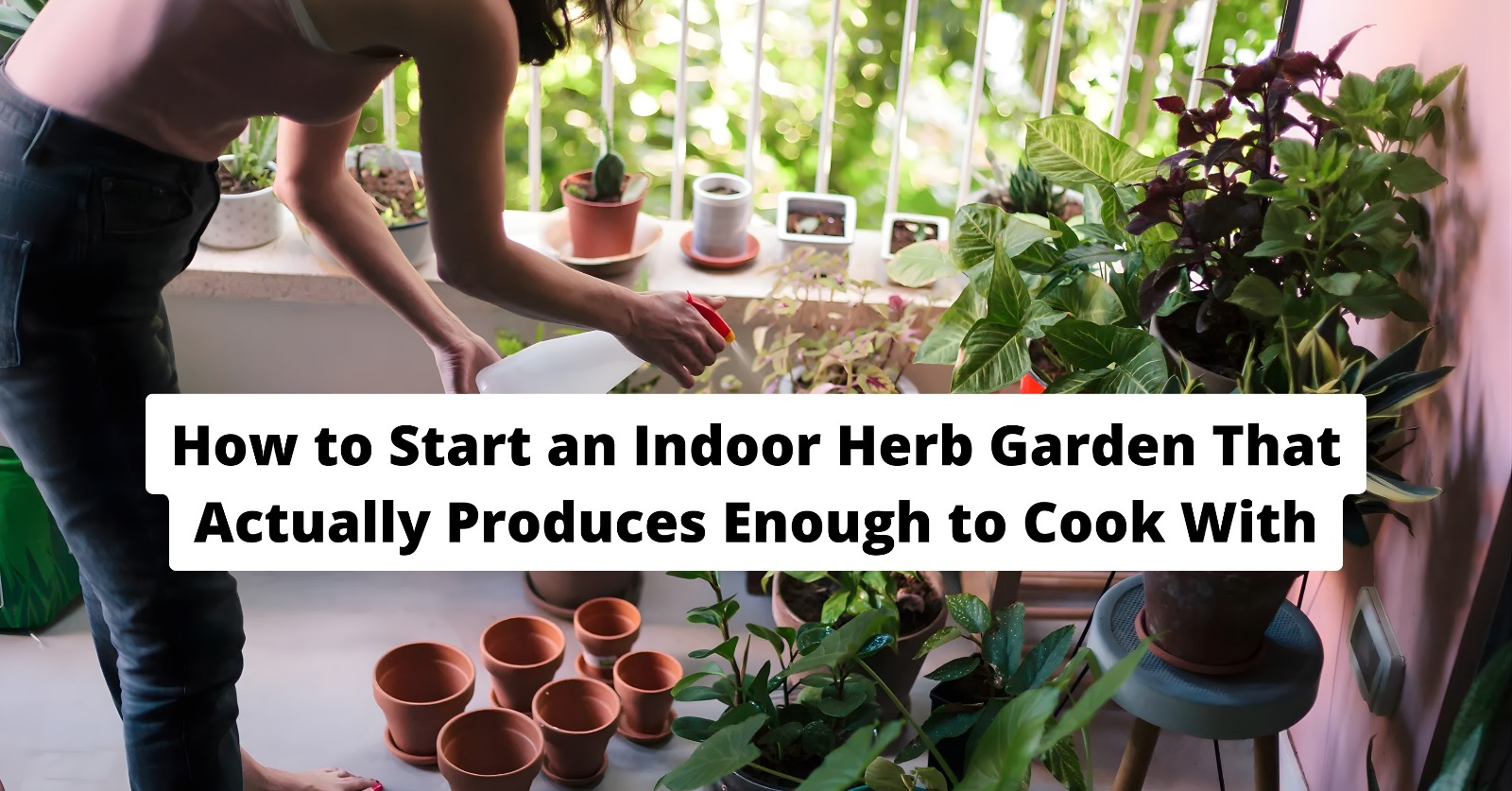
Pretty much any cook loves the thought of having fresh basil, parsley, cilantro, thyme, all right by the cooker. However, for lots of people who try to do this, they end up with long, thin plants that don’t give you much to use before they become sad, messy things that don’t add anything to your cooking. Almost always, the difference between those lovely pictures on Instagram and what you actually get is down to light. Most kitchen windowsills don’t give herbs the strength of light they need; they developed in the bright sunshine of Mediterranean, tropical and more typical climates and need that to grow thickly, with lots of the flavours and oils that are what you want for cooking.
The Light Problem and How to Solve It
To really thrive and give you a nice amount to cut for cooking, most culinary herbs require six to eight hours of sunshine each day. A window that faces south gets the most sun in the north half of the world, however, even the sunniest window only lets in a small amount of the brightness you’d get outside. Window glass blocks out the sun’s UV, window frames block light with their shadows, and the way light bounces around inside a room doesn’t equal the sun shining from all directions. Because of this, for almost all herb gardens indoors, extra light isn’t something you should think about having; it’s what will determine if you have herbs that give you a good yield or just look nice. A basic LED grow light bar, placed four to six inches over your herbs and on for twelve to fourteen hours a day, will give them the brightness they require to grow at a speed that means you can harvest them regularly for use in the kitchen.
Which Herbs Grow Best Indoors
Some herbs do better inside than others. For indoor pots, you want herbs that can manage with a bit less light, stay a nice shape and size, and will give you more of themselves after you cut them. Basil, parsley, cilantro, chives, mint, thyme are all pretty foolproof for growing herbs inside. Oregano and sage can be grown inside, but they get long and stretched out if they don’t get a lot of light. Rosemary is known for being tricky indoors, it needs lots of bright light, a good flow of air, and to be watered just right, and it’s really best outside, only coming in during the coldest weather. Dill and fennel will simply get too tall for almost any room and do best in the garden.
Container, Soil, and Watering Essentials
Herbs absolutely must have containers that drain well and have holes in the bottom. If they don’t, extra water will stay around the roots and cause root rot, which will rapidly kill your herbs. A regular plastic or terracotta pot of four to six inches across is a good size for each herb, or you can plant a bunch of herbs together in a long, trough-style planter. As for the soil, you want something light and that drains easily, and a normal potting mix with 20 to 30 percent perlite in it will give the roots the airy conditions they like. Most of the time, indoor herbs die from getting too much water. Let the soil get a little dry before you water, and check with your finger to be sure there isn’t already enough moisture in there.
Harvesting for Maximum Production
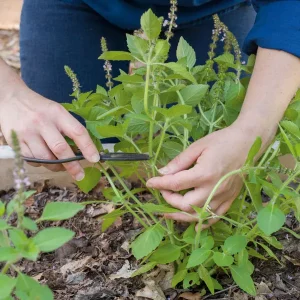
How you cut herbs really changes how much you get from them in the long run. The important thing is to snip from the top of each stem, right above where a leaf is attached. That makes the plant split at that point, giving you two stems for every one you had and in essence, doubling how much it could make each time you pick it. If you cut from the bottom or just pluck leaves, the main part that is growing stays as one tall shoot and just gets longer, instead of spreading out, and you end up with a long, spindly plant that doesn’t have many leaves. Pick often, but don’t take over a third of all the leaves on the plant at once, and it will remain neat, full and will go on producing for you.
Key Takeaway
Most windows just don’t give cooking herbs enough light, so to get a good harvest inside, you’ll need to add LED grow lights for 12 to 14 hours each day. Basil, parsley, cilantro, chives, mint, thyme are all herbs that do particularly well when grown indoors. What makes a thriving indoor herb garden, instead of the long and sparse plants many people get when they first try, is using pots that drain well and a nice, light soil, being careful about how much you water by sticking your finger in to check, and harvesting from the top down in a way that will make the plants bush out.
Leave a Reply