
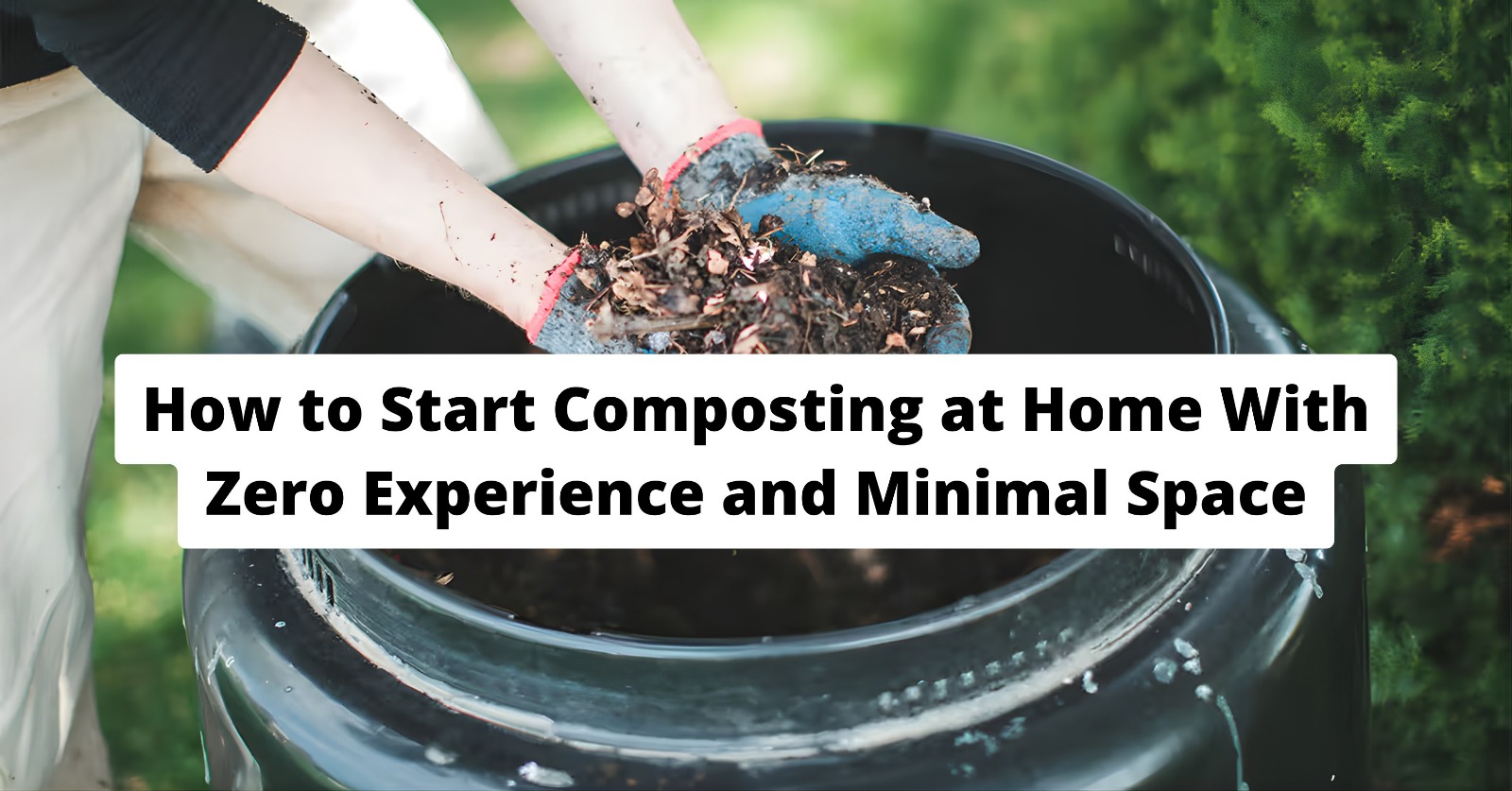
Gardeners often call compost “black gold”, and for good reason: it’s a wonderfully rich, dark, and crumbly stuff that makes almost any garden soil much better. However, a lot of people who are starting out are scared of composting, because they think you need complicated setups with exactly the right amounts of things, temperatures to check, and tons of room. But it’s much easier than that. Composting is simply stuff breaking down naturally, and will happen even if you don’t do anything to help. You aren’t trying to build a perfect system, just to help the tiny creatures – microorganisms, fungi, invertebrates – to decompose organic matter quickly. In fact, pretty much any bin, any mix of organic waste, and how much or how little work you put in, will eventually give you compost you can use.
What Goes In: The Simple Brown-and-Green Rule
Things you can compost generally fit into two main types. “Greens” have lots of nitrogen, break down fast, and give the tiny life in the compost protein for them to multiply: think fruit and vegetable peelings, coffee grounds, freshly cut grass, and green bits you cut off plants. “Browns” have lots of carbon, decompose more slowly, and supply energy for the whole microbial community – you can use dried leaves, cardboard, newspaper, straw, wood chips, or dead and dried plant stems. Many people say a 30 to 1 ratio of carbon to nitrogen by weight is the perfect way to get a hot compost, but that’s really not important when you are first starting. A good way to get it going is to layer greens and browns, using about the same amount of each, and then allow the pile to break everything down.
Choosing a System That Fits the Space
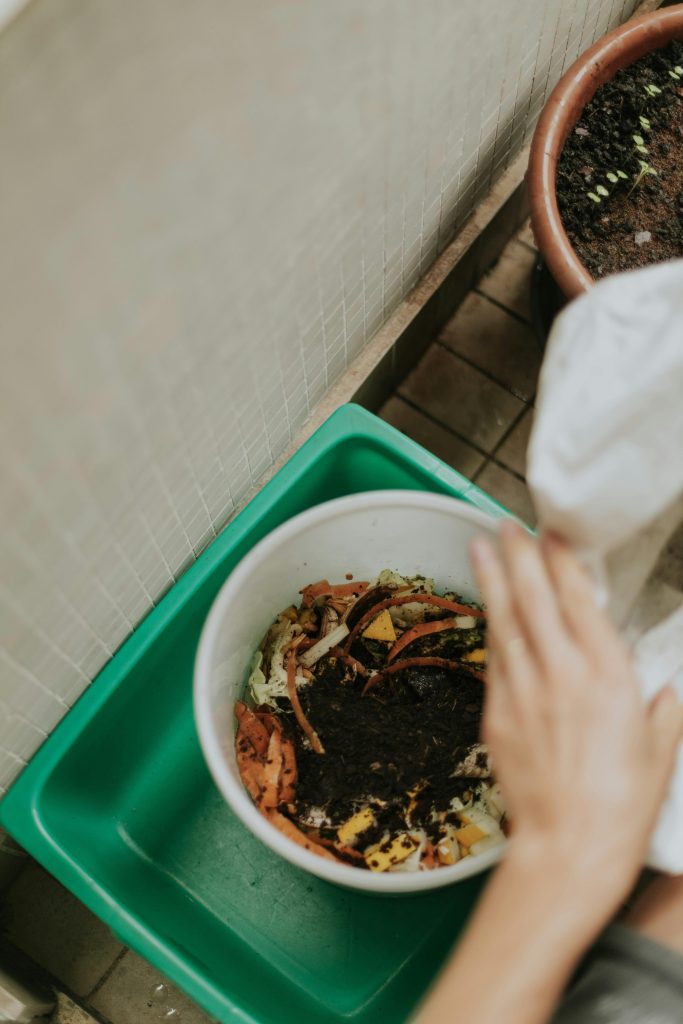
You don’t need a huge garden to compost. People in apartments, or those with small gardens, can easily compost with a worm bin (called vermicomposting) which can be kept under the kitchen sink or on the balcony. A normal plastic container for storage, with holes for air in the sides and lid, will work great as a worm composting setup for two to four people. If you have more space outside, you can have a basic heap, a three-sided container from old wooden pallets, a turning container to get compost quickly, or a compost bin you buy from a store. Really, the best way to compost is the method you’ll actually keep doing – a fancy, pricey turning container that isn’t used is not as good as a free pallet container regularly getting food waste.
What to Avoid Adding to the Pile
Compost will happily accept most stuff from nature, but there are quite a few things you shouldn’t put in your home compost bin. Meat, fish, dairy, and greasy foods will smell terrible as they break down and will draw in rats and mice. You also shouldn’t compost dog or cat poo as it can have germs that could make you ill. If your pile doesn’t get hot enough, diseased plants and weed seeds may not be killed and could go back into your garden to cause trouble. As for things like old treated wood, shiny magazine pages and anything plastic, they simply won’t break down and shouldn’t be used. Most of what a family throws away that can be composted is made up of fruit and vegetable peelings, coffee grounds, eggshells, cardboard, paper, and stuff from the garden.
When the Compost Is Ready to Use
Good compost will be a dark brown or black and have a texture that’s nice and crumbly, smelling of lovely, fertile woodland earth, definitely not like anything decaying. You shouldn’t be able to pick out what you originally put in. How long this change happens depends on how you compost; a hot compost heap, if looked after properly, will be ready in four to eight weeks, a tumbler needs two to four months, a simple heap left to do its thing will take six months to a year and worm composting will give you usable worm castings in three to six months. Once it’s done, you can blend it into your garden soil, use it as a layer over plants already in the ground, or include it when you make your own potting mix. Even a little bit of compost, as little as a half inch over a garden bed, will noticeably improve the soil’s structure, how well it holds water, and the life in the soil.
Key Takeaway
Basically, to compost you just mix food leftovers and things from the garden in a container that lets air and water get in, and then be patient. Ideally, you’ll use about the same amount of “greens” (like food scraps and freshly cut plants), and “browns” (such as dried leaves, cardboard). This gives the decomposition process what it needs. You can have lots of different setups for this, from a worm bin under your sink for a flat, to a heap out in the yard for a big space. If you leave out meat, milk products, animal poo, and any plants that are sick, the whole thing will stay clean and won’t smell. And what’s left at the end is fantastic for all kinds of garden soil, and it’s free.
Leave a Reply