
Lots of people grow lavender in their gardens because of its wonderfully strong smelling flowers, the fact that bees and butterflies love it, and how you can use it in things like scented bags, flower arrangements, homemade soap, and even cooking. However, a surprising number of gardeners who do manage to grow lavender don’t quite get the hang of when to pick it and this impacts how lovely the smell and look of the dried flowers are. If you harvest before they’re ready, the buds will be a light colour and won’t have much of the oil that makes lavender special. Leave it too long, and the flowers fall apart, losing all their petals while they are drying.
The Ideal Harvest Window
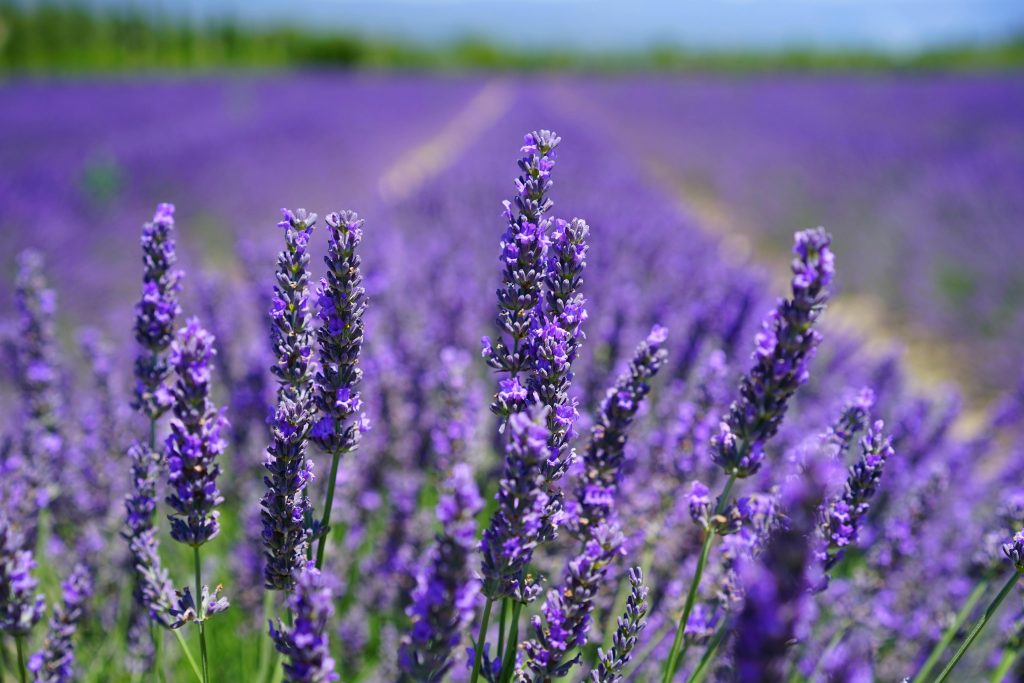
You’ll get the best lavender harvest when about half to two-thirds of the flowers on a stem are actually open, and the rest are still in tight buds. That’s when the flowers have the most essential oil. Open flowers are busily making fragrant substances at this time, and those unopened buds have a lot of concentrated oil that’s still locked inside. To keep the best smell, harvest in the morning, once the dew is gone but before it gets really hot and the sun starts to evaporate the oil into the air. Exactly when to do this depends on your climate and the type of lavender, but English lavender (Lavandula angustifolia) is usually ready for picking in early or middle of summer.
How to Cut Lavender Correctly
With nice, clean, sharp pruning shears or garden scissors, cut quite a lot of lavender stems at once, removing around a third of the plant’s height. Make each snip just above where the leaves grow in pairs on the stem (a leaf node) and this will get the plant to spread and make even more stems for flowers later in the year. To keep things tidy and easy to handle, collect the stems into groups of fifty to a hundred, and tie them with a rubber band. The stems will get smaller as they dry, and the rubber band will get tighter around them.
The Best Drying Methods
The easiest and best way to keep lavender is to let it air dry. You should hang bunches of it upside down in a warm, dry, dark spot where air can move around, so an attic, a porch that’s protected from the weather, a closet with a fan, or even a warm garage are all good choices. The dark protects the flower’s purple color and the warmth and moving air stop mold from forming. Depending on how much moisture is in the air, it generally takes two to four weeks for the lavender to be completely dry. You’ll know they’re ready when the stems break cleanly and the flower buds feel papery and dry.
If you’re a gardener and want just the dried lavender buds (for things like scented bags, mixed dried flowers, or cooking) you can take the dried flower tops off the stems. Simply run your hand down each stem, which is hanging upside down, and over a clean sheet or into a bowl to collect them. Store these loose buds in sealed glass jars and out of direct sunlight, and they’ll keep their scent for a year or two.
Key Takeaway
You’ll get the most essential oil and the best smelling dried lavender if you pick it when about half to two-thirds of the flowers are actually open. Do this in the morning, but wait until the dew has gone. Trimming the stems just above where the leaves grow will get you another flowering. To keep the color and smell, hang bunches of lavender upside down to dry in a warm place that’s not in the light. Lavender buds that are dried and kept in good condition will smell lovely for a year or possibly two.
Leave a Reply