
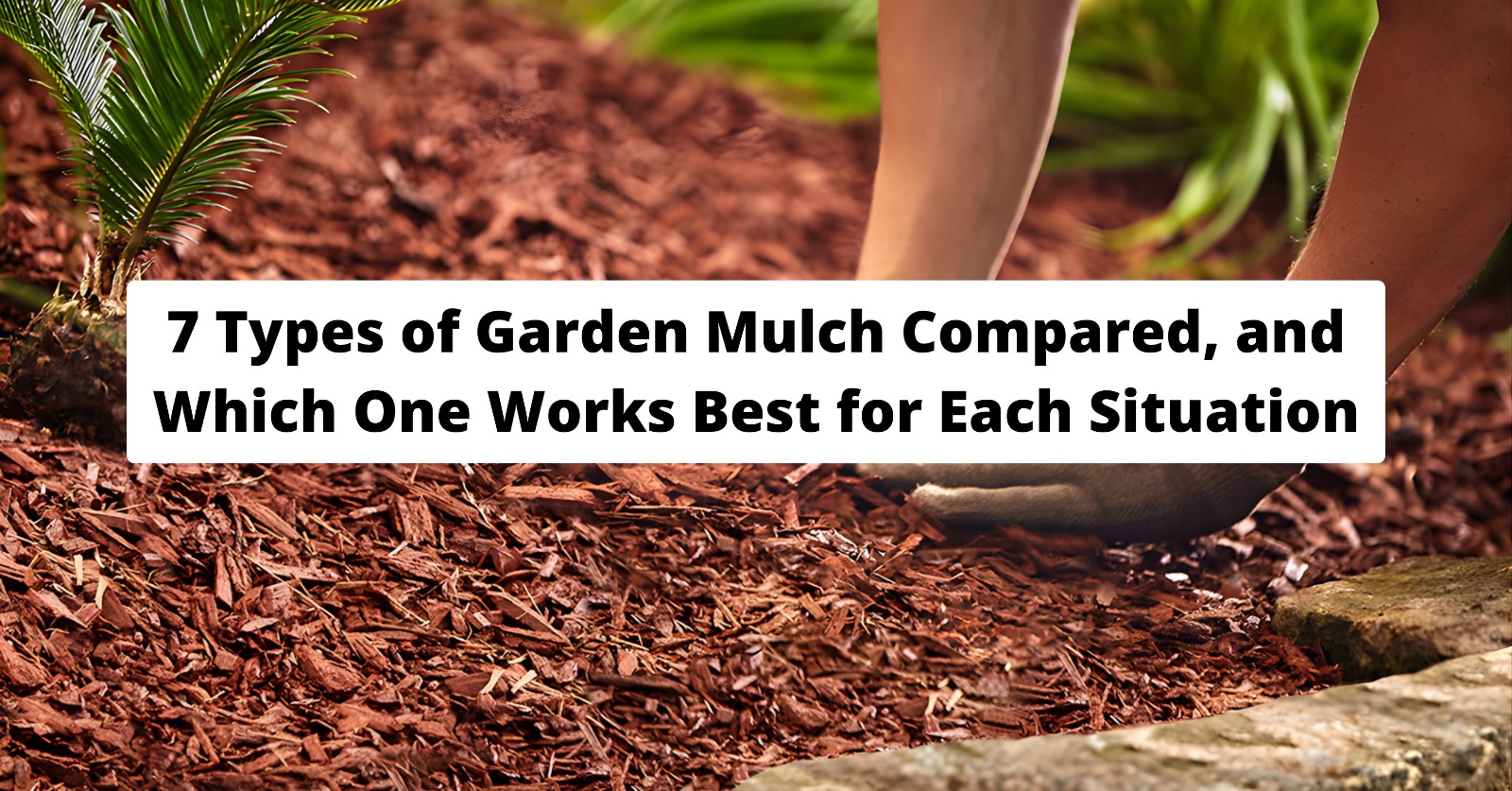
Gardening is made much easier, and results are significantly improved, by mulching, but lots of people completely ignore it or don’t pick a mulch that works for them. Good mulch stops weeds growing, keeps water in the soil, prevents the ground temperature from getting too high or low, protects against the washing away of topsoil, and breaks down over time to feed the soil with natural ingredients. However, a bad choice of mulch can unfortunately give homes to bugs, change the soil’s balance in a way you don’t want, or even allow illnesses to develop. Knowing what different mulches are like, what they’re good at and where they fall short allows gardeners to use the best material for a certain plant, the weather where they are and what they are hoping to achieve.
1. Straw
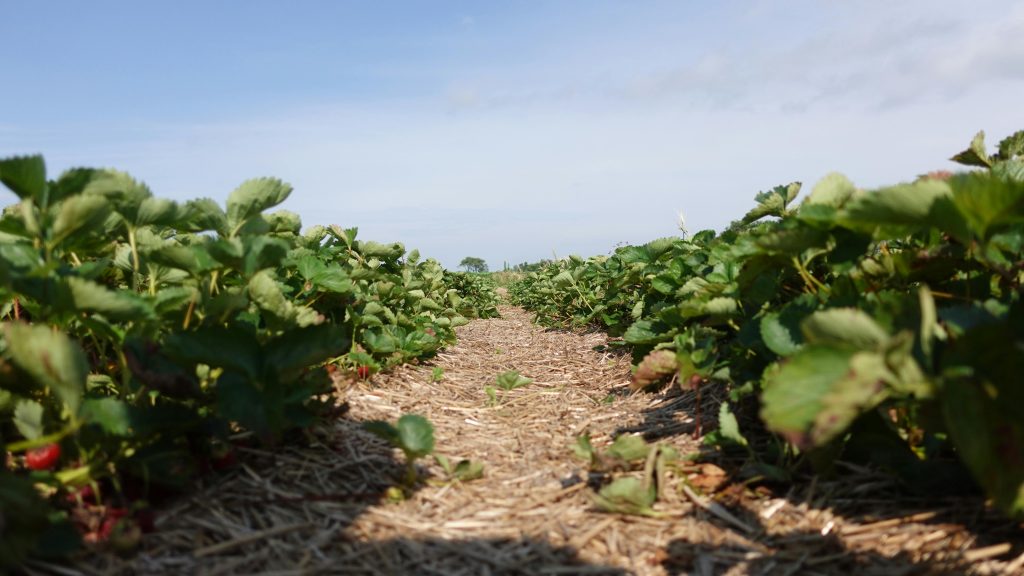
The usual thing to put around your vegetables, a mulch, is straw – that is, the dry stalks left over from wheat, barley, oats and similar grains. It doesn’t weigh much, it’s simple to put down, water gets through to the soil easily, and over the course of a year it breaks down and improves the soil. Straw is especially good for plants that love the heat, such as tomatoes, peppers, and squash, as its pale colour bounces sunlight off the ground instead of soaking it up, so the soil doesn’t get too hot in summer. The main downside is that it sometimes has grains in it that begin to grow, but this is generally a small annoyance and not a big issue.
2. Shredded Leaves
Autumn leaves, once they’ve been chopped up, are a fantastic, free and plentiful mulch for your flowerbeds and vegetable patches. Unlike whole leaves which can get packed down and stop water from getting in, if you go over them with a lawnmower or leaf shredder you’ll get lots of small bits that settle nicely around plants and won’t form clumps. Over six to twelve months these little pieces will break down and add carbon and small amounts of minerals to the soil, minerals the tree originally pulled up from deep down with its roots. They’re particularly good for using around plants that will be in the same place for ages, like perennials, bushes and fruit trees, allowing them to slowly rot down.
3. Wood Chips
Arborist wood chips are what you get when tree companies trim or take down trees: they are made of bits of branches, bark, and leaves. And they’re a really good mulch that lasts for a long time for walkways, fancy flowerbeds, and around trees and bushes that are already growing. They break down at a leisurely pace over two or three years, so they’ll keep weeds down for ages and make the earth better. Lots of people believe wood chips steal nitrogen from the ground, but studies show this only happens in a very slim zone where the mulch touches the soil, and it doesn’t bother the roots of the plants below. You shouldn’t dig wood chips into the soil though, because if you do that, they will temporarily lock up nitrogen.
4. Compost
Once compost is fully broken down, you can use it as both something to mulch with and plant food. A layer of it one or two inches thick will stop weeds from growing, help the soil hold water, and deliver goodness to the soil as the rain washes the nutrients down where the roots are. For vegetable patches, compost mulch is excellent. Plants get nourishment right away and it all disappears by the end of the growing season. Its only problem is getting enough of it. Making or buying enough compost to cover big areas can be a long process or cost a lot of money, so compost is best for smaller, carefully looked-after areas of plants, not for covering over an entire garden.
5. Pine Needles (Pine Straw)
Pine needles make a nice, light mulch. Water and air can get through to the soil easily, yet they hold together well enough to not wash away on hills or in places with a lot of wind. They break down slowly and have a bit of an acid quality, which is why blueberries, azaleas, rhododendrons and many other plants that like acidic soil are often covered with them. Lots of people think pine needle mulch really changes the acidity of your garden soil, but studies actually show that isn’t true, or at least the change is very small and is cancelled out as the needles rot. In fact, pine needles are a great general mulch for all sorts of plants, not only those that need acidic conditions.
6. Grass Clippings
You can easily get hold of fresh grass clippings and they are full of nitrogen, breaking down pretty quickly, typically in only a few weeks when it’s warm. If you use them in layers about one or two inches thick, they’re good at stopping weeds for a little while and as they rot they give the soil nitrogen. But if you pile grass clippings on too thickly, they’ll become a horrible, wet, smelly mess that won’t let water through and can cause fungal problems. It’s best to spread them in thin layers and let them dry out before putting any more on. And crucially, don’t ever use grass from lawns that have had weedkiller on them as mulch for your vegetables, because the leftover chemicals could harm what you’re growing to eat.
7. Black Plastic Mulch
Black plastic mulch isn’t a natural product, but lots of people who grow vegetables use it. It heats up the soil more quickly in springtime, almost completely stops weeds from growing, and keeps water in the soil as nothing can evaporate from the surface. This is especially good for plants that really like heat – tomatoes, peppers, melons, squash are all examples – and they’ll do best when the ground is warm. However, plastic won’t break down, so you have to take it all up and get rid of it at the end of the season. It doesn’t enrich the soil with anything natural either, and crucially, rain can’t soak to the roots, meaning you will need to use a drip irrigation system below the plastic to give them enough water.
Key Takeaway
What sort of mulch is best really depends on what you need it for. Straw, shredded leaves are both good for use in vegetable gardens. Wood chips are particularly good for paths and for using around trees and bushes that are already growing. Compost both mulches and feeds the soil. Pine needles are a good option for hillsides and plants like blueberries which prefer more acidic soil. Grass clippings give a quick boost of nitrogen to the ground, but don’t use a thick layer. Black plastic is the fastest way to warm the soil for plants that need lots of heat, but you need to use it with a drip irrigation system and take it up at the end of each year. If you spread a 3 or 4 inch layer of any natural mulching material and keep it there all the time your plants are growing, you’ll spend less time on weeding, the water stays in the soil for longer and the soil itself will get better and better.
Leave a Reply