

Spring is when gardeners really get things going, and the change from winter (when gardens are ‘sleeping’) to the time for spring planting is the most important time for getting ready. What a gardener does in the weeks between the final really cold weather and when they first start planting will decide if the growing season gets off to a good start, or has to deal with difficulties that could have been avoided. Gardeners who’ve been doing this for a while have a set way of preparing in spring, dealing with the health of the soil, making sure supports and things are in good shape, and being prepared to plant, all in an order that makes sense. They do the essential, groundwork type stuff before they get to the more fun part of actually getting seeds and plants into the soil.
1. Assess Winter Damage to Beds and Structures
Go all over your garden before you start digging in the dirt and look for anything winter has broken. The sides of raised beds might be curved, cracked, or out of place. Climbers and anything holding plants up could be wobbly because of things freezing and thawing. Water pipes might be split by ice getting bigger inside them, and fences could have been damaged by lots of snow or branches falling on them. Getting these sorts of structure problems fixed first means everything will be strong enough to hold your plants all season long.
2. Remove Winter Debris and Dead Plant Material
Get rid of all the dead plant stems, branches that have fallen, and anything else messy that’s left from last year’s garden or that built up during the winter. You can compost some of this garden waste, but if plants were sick at any point last year, you should put that material in a bag and remove it completely from your yard. Lots of what makes plants ill can live through the winter in dead plant bits and will get your new plants sick again if you use compost made with it.
3. Test the Soil
Spring is the perfect time to get your garden soil tested if it hasn’t been done in two or three years. You’ll usually have the results back in two to three weeks, and they’ll tell you exactly how acid or alkaline the soil is (the pH) and what nutrients it contains, so you can decide what to add to the soil or what fertilizer to use for the season ahead. In fact, even if you did test it not long ago, it’s a good idea to do a fast pH test yourself using a cheap probe or kit, especially if your water for watering or how often you use fertilizer could easily change the pH in certain spots.
4. Add Compost and Organic Amendments
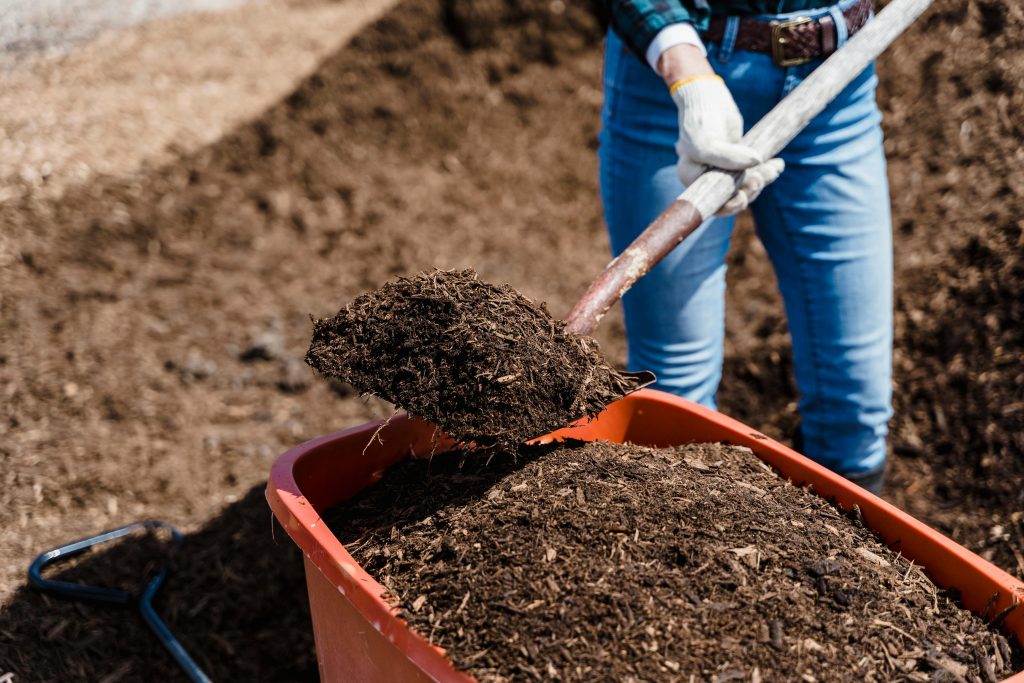
Each spring, the very best thing a gardener can do for their soil is to put a layer of completed compost one or two inches deep over the garden beds. This compost provides nourishment, makes the soil itself hold together better, helps sandy soil keep water, improves how well heavy clay soil drains, and gives food to the tiny life in the soil that keeps plant roots healthy. You don’t have to dig the compost in. It’s great to just leave it on top and let the rain and the creatures in the earth work it down, and doing it this way won’t ruin the soil’s existing form.
5. Address pH Issues Based on Test Results
When your soil test shows your soil is too acidic or alkaline for what you want to grow, you should add something to fix it in the spring. Lime makes acidic soil’s pH go up, and elemental sulfur brings down the pH of alkaline soil. Because these things are slow to change the pH, taking effect over weeks or months, getting them onto the soil as soon as spring starts means they’ll have as much time as possible to do their work before you plant the plants that need the best conditions. And be sure to use the exact product and amount the soil test says to; changing the pH too much is just as damaging as not changing it at all.
6. Check and Repair Irrigation Systems
Get all the water flowing through your irrigation lines before you start planting, and look for any leaks or blockages. Swap out any broken parts like the things that actually drop the water (emitters) or the plastic piping. Also, make sure water comes out of everything at the same rate. A drip system which has a drop in water pressure from a sneaky leak or a blocked emitter will cause some parts of the garden to be constantly too dry, and you’ll only know this has happened once your plants are already struggling. If you run the system and watch each bit of it for fifteen to twenty minutes, you’ll find nearly all the problems before your plants are harmed.
7. Edge Beds and Define Pathways
When you have a clear, distinct line between your garden beds and the paths, grass and weeds are much less likely to grow where you’re actually growing things. This means you won’t have to do as much weeding all year. Plus, a tidy garden looks much more ordered. Using a sharp spade to make a clean edge around the sides of the beds only takes a few minutes for each one and is something in the spring that instantly makes the garden look loved, even with nothing in the ground yet.
8. Plan Crop Rotation
If you plant things from the same family of plants in the exact same spot in your garden every year, you’ll use up particular goodies in the soil, soil-living diseases will get stronger, and the pests that bother those plants will keep coming back. Now is the time during springtime to look at where you planted things last year (or try to remember!) and make sure to move the main plant families – tomatoes and peppers (that’s Solanaceae), squash and cucumbers (Cucurbitaceae), beans and peas (Fabaceae) and all the cabbage family – to different sections of the garden, and do this every three or four years. Rotating your crops in even a pretty basic way will lower how much trouble you have with diseases and will help your soil have a better balance of everything it needs.
9. Pre-Warm Soil for Early Planting
If you’re keen to get tomatoes, peppers, and other plants that like heat into the ground before you normally would, you can warm up the garden soil beforehand using black plastic mulch or clear plastic sheeting. Put the plastic over the surface of the planting area a fortnight before you plan to plant and it will hold onto the sun’s heat, increasing the soil temperature by five to ten degrees Fahrenheit. That’s a big enough increase to make planting early a good idea. You don’t have to do this, of course, but it’s a really good thing to do in areas where the season to grow things is short.
10. Sow Cool-Season Crops Immediately
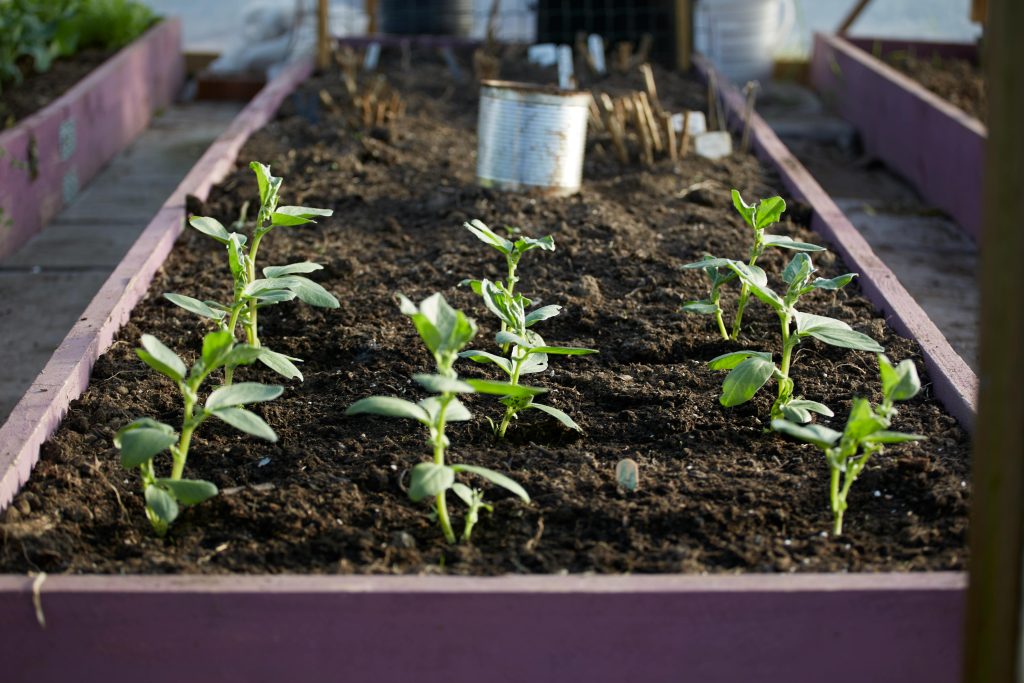
You have to wait for the weather to be properly warm for things like tomatoes and peppers. However, you can plant peas, lettuce, spinach, radishes, carrots, beets, kale directly in the ground as soon as you can actually use the soil, and it’s soft all the way down to where you’ll be putting the seeds. If you get these in the earth during the very first week you’re readying your spring garden, you benefit from the cool, damp weather they like and get something to eat from the garden weeks before the bulk of your summer vegetables start to be ready.
Key Takeaway
Getting a spring garden going has a sensible order. First look at and fix any things like raised beds or fences. After that, deal with the soil: get it tested and mix in compost to improve it. Also, get your watering system sorted, decide what you’ll plant where, and then get cold-loving plants into the soil right away. Doing all of this before it’s hectic with planting summer vegetables means the garden will be in good shape physically, have the nutrients it needs, and be well organised for when it will grow best.
Leave a Reply