
How a gardener acts, or doesn’t act, in the weeks after the last of the crops are gathered and before a really strong frost hits will directly determine how well the garden will grow next spring. Winterizing a vegetable garden isn’t just about getting rid of dead plants then leaving it; if you do it completely, you’ll look after the way the soil is put together, lower the number of weeds and bugs for the following year, stop the soil being blown or washed away, and set up the garden to come out of winter in much better condition than it went in. You won’t need to spend long on it, a lot of gardens can be fully prepared for winter in a single weekend, and the benefits of doing so will build up over every season after that.
1. Remove Spent Crops and Diseased Plant Material
Once your yearly vegetables have stopped giving you food, get rid of them entirely, either by pulling them up or cutting them off at the ground and digging up the roots if you can. If plants had illnesses this year (like blight on tomatoes, powdery mildew on squash or bacterial wilt on cucumbers), put them in bags and send them to the town’s compost place, don’t add them to your compost at home. The stuff that causes those diseases will survive the winter in the old plants and will get your new plants sick again if you leave the rubbish in or around the garden.
2. Add a Final Layer of Compost
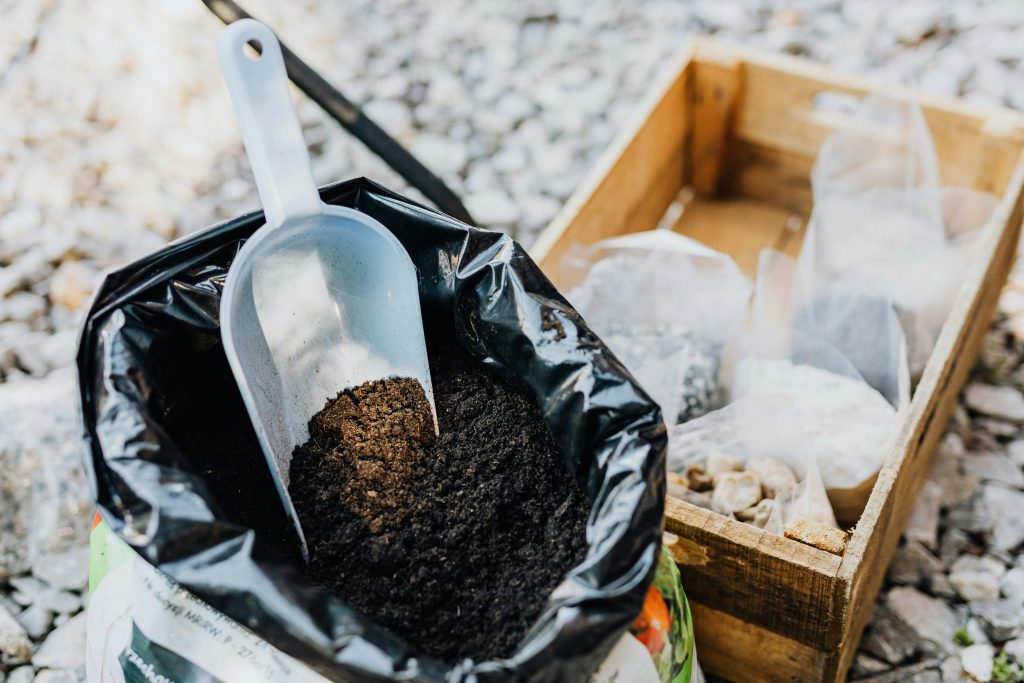
If you put a one or two inch layer of fully broken-down compost on the surface of garden beds after you’ve harvested everything for the winter, it’ll slowly feed the soil. By springtime, some of it will have mixed in with the earth. Throughout the winter, the repeated freezing and thawing, the rain, and all the life in the soil will all push the compost down into the soil, so you won’t have to dig it in. Plus, that compost layer gives a bit of warmth to the whole community of living things in your soil, keeping them from being damaged by very cold or very warm temperatures.
3. Plant a Cover Crop or Apply Heavy Mulch
When soil is left bare during the winter and gets rained on, blown around by wind, and repeatedly frozen and thawed, it washes away, gets packed down, and loses all the good stuff that makes it healthy. We can mainly protect soil throughout the winter in two ways: planting a cover crop or using mulch. A cover crop is something like winter rye, crimson clover, or hairy vetch that you plant in the early or middle of autumn, and its roots keep the soil from moving. It also stops winter weeds from growing and, when you chop it down in the spring, becomes part of the soil itself, improving it. If you’d rather do something easier, a substantial mulch layer – four to six inches of straw, broken up leaves, or wood chips – will do a similar job of preventing erosion. But this doesn’t involve buying seeds or doing anything to a growing plant in the spring.
4. Protect Perennial Crops
In areas where it gets really cold, repeatedly going below the lowest temperature a plant can tolerate, things that come back year after year like asparagus, rhubarb and strawberries, thyme, oregano, rosemary (though rosemary is a bit iffy depending on how cold it gets), and fruit trees all do better if you give them some winter help. Once the ground is frozen, put a layer of straw or broken up leaves four to six inches deep over the roots. Don’t do it before the freeze though! If you put it on too early, the ground stays warmer, and your plants might think spring has arrived and start to wake up, and that’s bad. That covering of material protects the roots from the most severe cold and also stops the ground from repeatedly freezing and thawing. This freeze/thaw process can lift plants with roots that don’t go very deep, and push them right out of the soil.
5. Clean and Store Tools and Equipment
If you leave garden tools outside all winter, they’ll get rusty, won’t be as sharp, and will generally fall apart a lot quicker than tools you’ve looked after with cleaning and proper storage. Wash all your hand tools, get them dry, and then give them a thin covering of oil – linseed oil is best for wooden handles, and machine oil for the metal parts. When temperatures drop below freezing, you absolutely have to drain your drip irrigation system; otherwise, the water inside the pipes and connections will turn to ice and break them. Disconnect the garden hose from the tap outside, drain the water from it, roll it up, and keep it inside. Finally, before putting power tools away, give them a once over and do any maintenance the manufacturer says to do at the end of the season.
6. Plant Garlic and Spring Bulbs
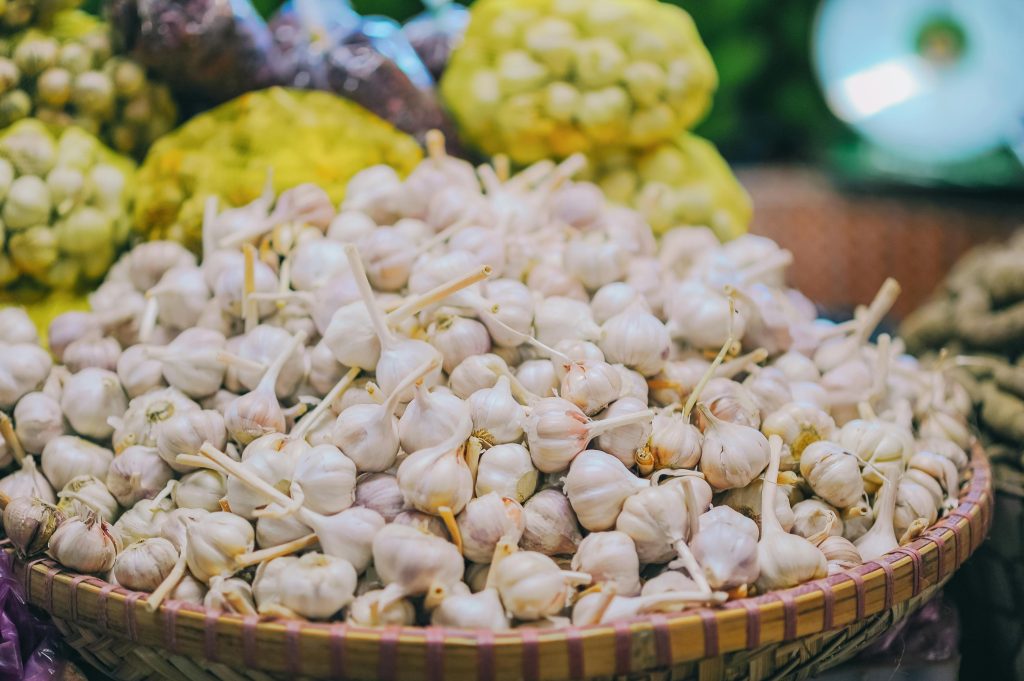
For garlic and bulbs that bloom in spring (tulips, daffodils, crocuses, alliums) the best time to put them in the ground is after the first light frost, but before the ground is completely frozen. They absolutely need a cold rest to grow as they should, and planting in autumn lets their roots get a grip before the earth gets too hard. Garlic set in November and with a nice thick layer of mulch will pop up by itself next spring and grow into proper sized bulbs by midsummer, needing almost no care at all during the winter.
7. Evaluate the Season and Plan Improvements
It’s much better to write down what happened during the garden’s growing time while you still remember it. Specifically, what grew well, what didn’t, and how you should do things differently next year will give you a plan for the future, and it will be way more useful than trying to remember all the details after several months. Think about which kinds of plants did the best, in which area were there bugs, and where you needed to change the water system. And all of these things you’ve seen, whether you jot them in a garden notebook, an app on your phone, or a simple chart, will help you make more sensible choices for the next growing season and stop you from making the same mistakes again.
8. Order Seeds Early
The more unusual and sought-after kinds of seeds from special companies disappear quickly as the season begins, and this is even more true after years when lots of people have suddenly taken up gardening at home. If you want to be sure to get the types of seeds you want, and have them delivered to you by late winter so you can start them inside, you should order in late fall or early winter, long before everyone starts ordering in January. Plus, a lot of seed companies give you a better price if you order early, so autumn is the cheapest time to get seeds for next year.
Key Takeaway
To get your vegetable garden ready for winter, do these things in order: get rid of plants that are finished or have illnesses, incorporate compost into the garden, then cover the soil with either cover crops or a layer of mulch. You should also protect any plants that will last through the winter, and clean and put away all your tools. At this time, you can plant garlic and bulbs for spring, write down what happened in the garden this year, and importantly, get next year’s seeds ordered with plenty of time to spare. Spending just a weekend on all of this will look after the soil, mean you have less to do in the spring, stop the winter weather from washing the soil away, and help your garden begin the next growing season in a much better condition.
Leave a Reply