
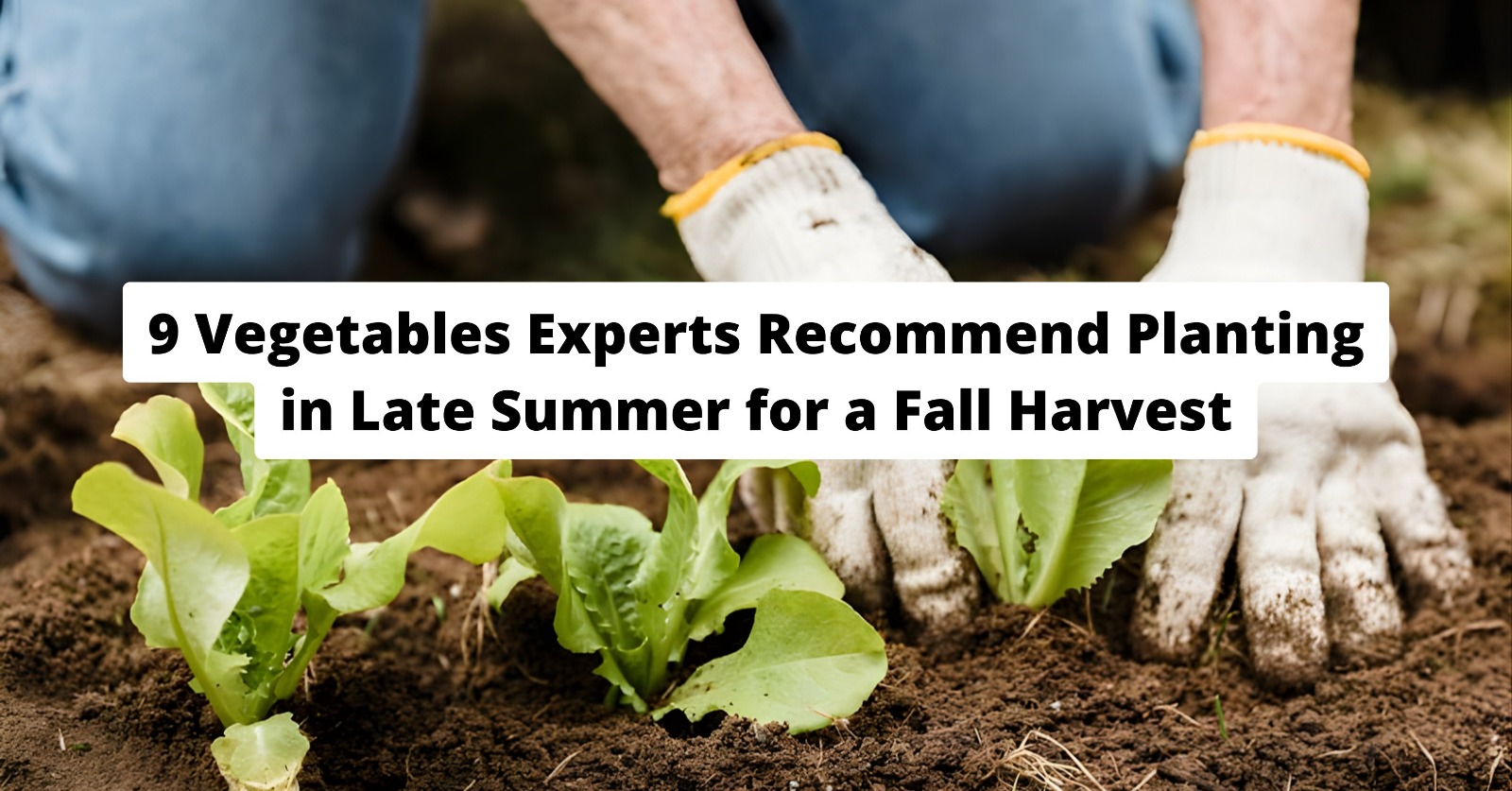
Lots of people with gardens think the season for growing is over when summer is done, but actually, some of the yummiest and best vegetables are grown in the cool, shorter days of autumn, not the hottest part of summer. If you plant another set of crops in July or August, you can use the milder fall weather to grow vegetables that like being cool and in fact taste better if they get to mature when it’s cold. In fact, a little frost will make some of them even sweeter; the cold makes the plant change starches into sugars, and the plant uses these sugars as a natural way to protect itself from freezing. So, to make sure these vegetables are ready to harvest before winter, you have to plan when to plant them, counting back from when you think the first frost will be.
1. Kale
Kale is probably the very best vegetable you can grow in your fall garden. The leaves get quite a bit sweeter once they’ve been frosted, plus kale can handle temperatures far below freezing; lots of types will live through 10°F or even colder without needing to be covered. If you plant seeds in late July or early August (that’s ten to twelve weeks before your first frost is predicted to come) you’ll get nice strong plants. These will give you fresh kale from October to January in many areas. And kale is special because it’s one of the few vegetables you can keep harvesting all through the winter. You just grab the outer leaves when you want them, and the plant keeps on putting on new growth from the middle.
2. Spinach
As fall brings cooler weather and days get shorter, spinach does really well, giving you much nicer, delicate and sweet leaves. Spring spinach, which is pushed by the heat and quickly goes to seed, just doesn’t compare. If you put seeds in the ground six to eight weeks before your first frost, they sprout easily in the late summer soil (which is still warm) and you’ll have spinach you can pick in 30 to 45 days. And in places that don’t get incredibly cold, spinach can survive the winter with a small covering of straw, giving you a harvest in early spring…long before you’d get anything from spinach seeds planted at springtime.
3. Lettuce and Salad Greens
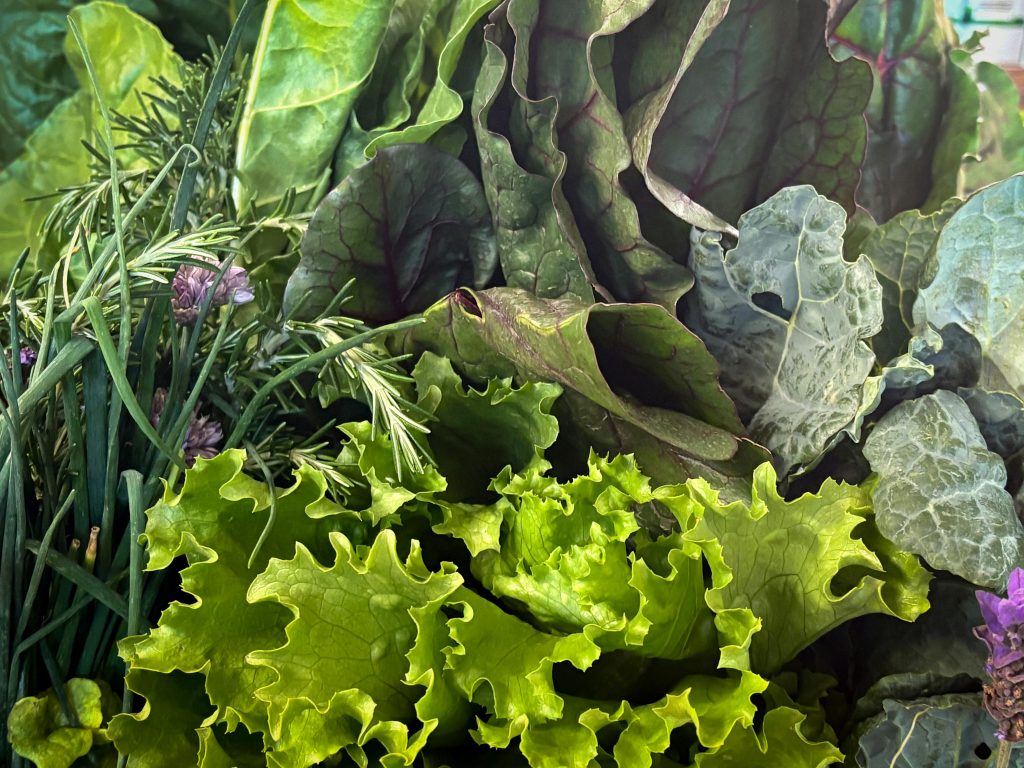
Lettuce that grows in the autumn doesn’t get bitter and go to seed as quickly as lettuce planted in spring. This is because as days get shorter and it gets colder, the plant understands it should just keep making leaves instead of starting to flower. You’ll have a steady amount of lettuce for salads from early August to November if you plant seeds directly in the ground every two weeks. And, a simple covering over the rows or a cold frame will actually make the harvest last even longer, frequently all the way into December in zones six and seven.
4. Radishes
Radishes are the quickest fall vegetables to harvest, being ready just 25 to 30 days after you plant the seeds, and you can get them in the ground as late as four or five weeks before the first really cold weather. Fall radishes get a lovely crunch and are milder to eat than those grown in spring. This is because the cooler dirt they grow in makes them grow a bit slower, and all parts of them become good at the same rate. Daikon and watermelon radishes, which are for winter, need much longer to grow (60 to 70 days) so you’ll need to plant them in the middle of summer to be sure they get to a full size before the earth freezes.
5. Carrots
Carrots put in the ground in the middle or later part of summer, to be dug up in the fall, generally have a nicer taste and are sweeter than those grown in spring. When the earth gets cooler in autumn, the carrot roots change the starch they’ve kept inside into sugars. This makes them naturally sweeter and the first frost actually makes that sweetness much stronger. They can easily stay in the ground for a long time after it has frozen, the soil around the roots keeps them safe, and you can just pull them up whenever you need to during fall and into the early part of winter before the ground becomes totally frozen. A generous layer of mulch over the carrot bed will help them stay in the ground for longer because it stops the soil from getting too cold.
6. Beets
Beets, much as with carrots, get noticeably sweeter as they grow in cooler weather. If you plant the seeds ten to twelve weeks before the first frost is predicted, the beets will be ready to pull from the ground just as the weather is starting to get cold and make the sugar build up inside them. You can eat both the beetroot itself and the leaves, so you get two harvests from just one sowing. For salads, use beet leaves when they are small and soft, but the older ones are really good fried.
7. Broccoli
Broccoli grown in the autumn usually makes better, more solid heads of broccoli than spring broccoli. This is because the heads develop in the lovely cool temperatures of fall and don’t get what’s called ‘bolting’ – which is when they flower too early and spoil the crop. If you put broccoli plants in the ground in the middle to the end of summer, about 85 to 100 days before you’re expecting the first frost, then the heads will be forming when it’s ideally cold. And, once you’ve cut off the main head, many types of broccoli will then give you lots of smaller stems to enjoy for many weeks after.
8. Turnips
Turnips are fast-growing, with most kinds ready to harvest in between 45 and 60 days, and they can withstand a good freeze without harming the root or the leaves. If you plant turnip seeds in late July or August, the roots will get bigger as the weather cools in September and October. And just like beets, you get two crops from turnips. You can roast, mash, or put the roots in soup, while the leaves are good for you and tasty, whether you cook them or use them fresh in salads.
9. Peas (Fall Crop)
We usually think of putting peas in the ground in spring, but if you plant them about 8 to 10 weeks before your first frost, you’ll likely get a harvest just as good, or even better. This is because the plants don’t have to deal with powdery mildew, which is a problem when it’s warm and damp late in spring. Peas for fall develop in the cool, dry weather they really like, and their pods will be nice and crisp and sweet. You can use the very same types of peas you’d plant in spring, plus, their roots add useful goodness to the soil for the next thing you plant in that space next springtime.
Key Takeaway
If you plant kale, spinach, lettuce, radishes, carrots, beets, broccoli, turnips, or peas quite late in the summer, you’ll get a fall crop of them which is usually better tasting and in better condition than what you get in spring. The cold weather makes root vegetables sweeter, stops leafy greens from going to seed, and overall, there are fewer bugs and illnesses for everything to deal with. You need to figure out when the first frost is likely to arrive, and from that date, work out the last possible day to plant each thing. Then, sometime between July and the beginning of September, you can put the seeds in the ground or set out plants.
Leave a Reply