

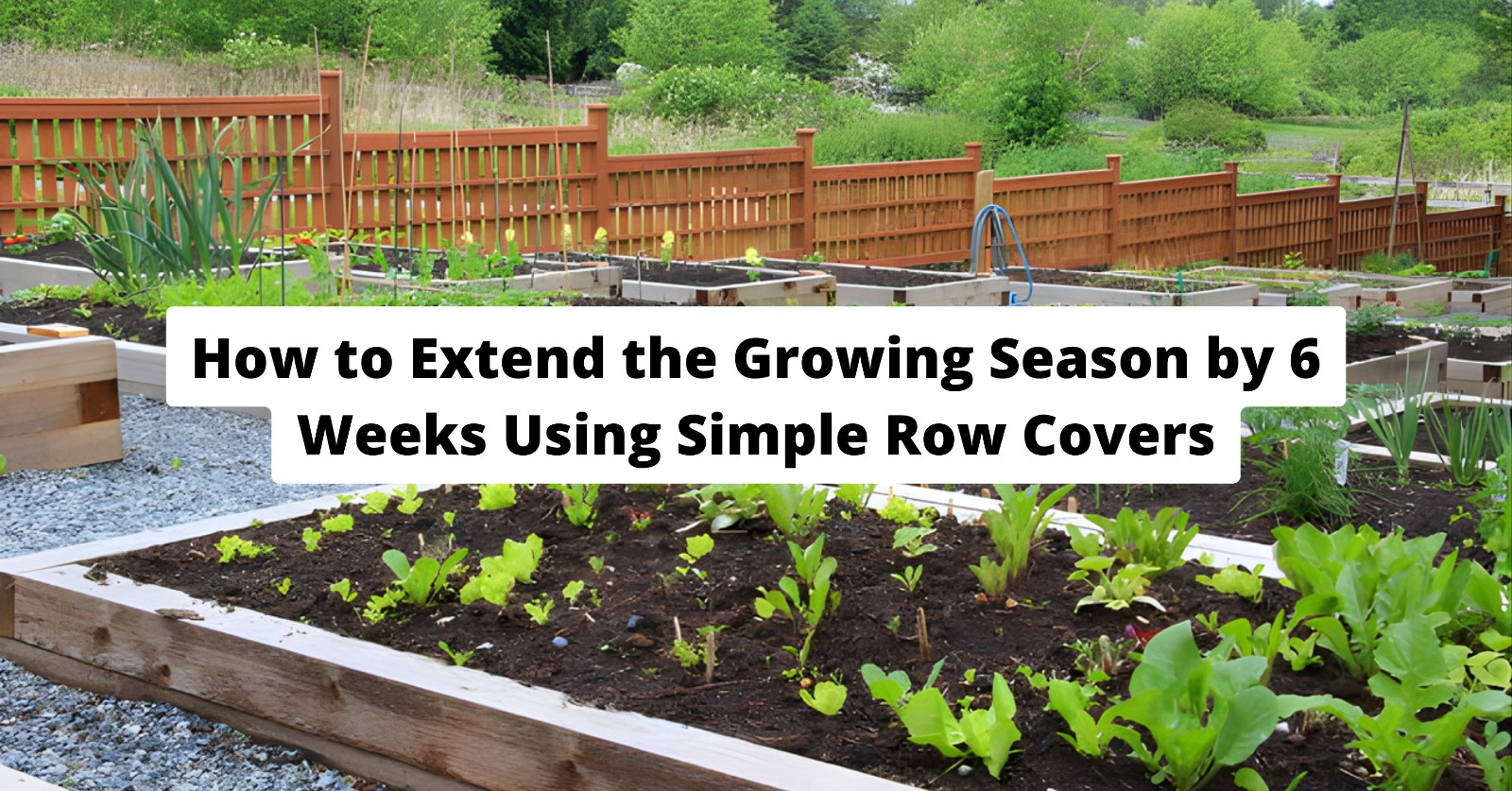
Why a garden gives you food for four months, but another for six, is often all because of one cheap thing: a floating row cover. This is that light, see-through material (people also call it frost cloth or garden fabric) and it makes a protected, small climate right above your garden. This protects your plants from frost, wind, and how cold it gets at night. In fact, agricultural scientists have shown row covers can get your growing started three or four weeks earlier and finished two or three weeks later. That means you can get up to six more weeks of food, without a heated greenhouse, electricity or anything complicated.
How Row Covers Protect Plants
Row covers protect plants in two ways: they provide warmth and shelter from the wind. The material holds a layer of warmer air around the plants as if it were a light blanket. This warmer air stops temperatures from changing so suddenly and keeps the plants between two and eight degrees Fahrenheit warmer than the air around them, depending on how thick the covering is. At the same time, the covering itself stops the wind from hitting the plants, and this is important because wind makes frost much more damaging. Thick row covers (one and a half to two ounces per square yard) give you the best protection from frost, generally down to 24 to 28 degrees Fahrenheit. Thinner ones (half an ounce to one ounce) don’t warm things up as much but let more light and air through, so you can use them to keep bugs off plants during the growing season.
Setting Up Row Covers Correctly
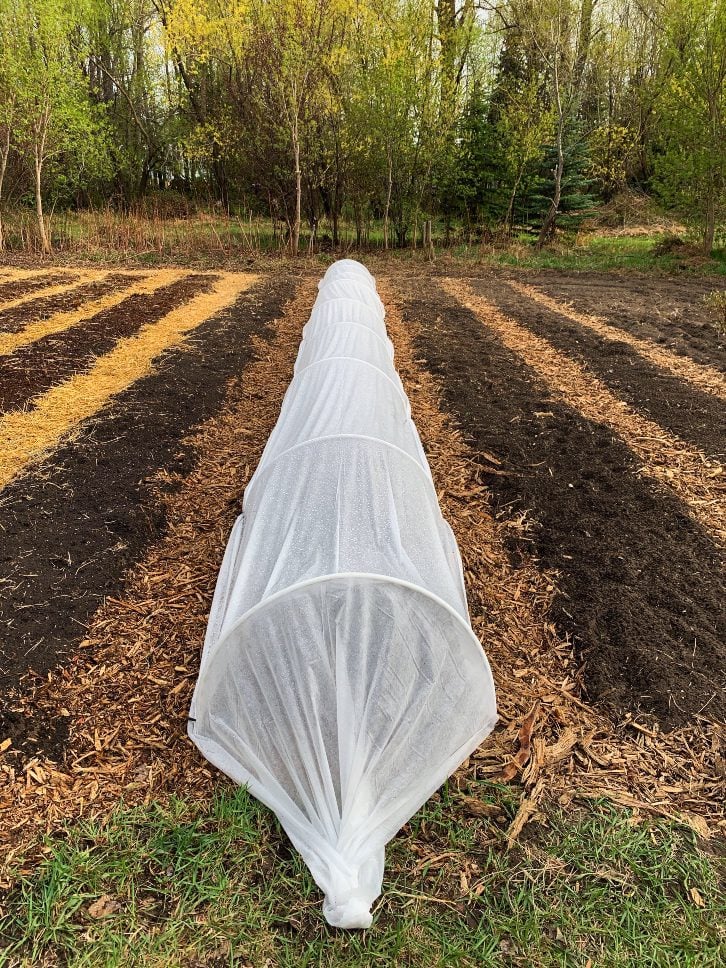
For things that don’t grow very high, like lettuce, spinach, carrots, you can simply lay row covers on top of them. Because the material is very light, it sits on the plants instead of squashing them and as the plants get bigger, they actually push the cover up. If you are growing taller plants or want to leave the cover on for quite a while, you can make basic tunnels. These are made by pushing flexible PVC piping, thick wire, or curved metal tubing into the ground about two or three feet apart; the fabric then goes over this frame, keeping it above the tops of the plants. To stop the wind from getting under the edges of the fabric and letting the cold in, you need to weigh them down with stones, planks, landscaping pins or just bury the edges in dirt. Don’t pull the fabric tight, and leave it fairly loose; this gives the plants space to grow and also stops them from being rubbed and damaged in the wind.
Spring Application: Planting Earlier Than the Last Frost
People most often use row covers to shield tomato, pepper, squash, cucumber plants and others that like heat when they’re first planted, usually about two or three weeks before the final frost in spring. You leave the covers on until the temperature doesn’t go below 50°F at night. Once that happens, they need to come off so bees, butterflies, and all the other creatures that pollinate flowers can get to them; row covers keep pollinators away from blooms, and plants needing insects for pollination won’t get fruit if the covers are still over the flowers. If you plant cold-loving crops under row covers in late winter you can get them in the ground four to six weeks prior to that last frost, and you’ll be harvesting them weeks earlier than if they weren’t covered.
Fall Application: Harvesting After the First Frost
When autumn arrives, you can keep your cold-weather plants going for a long time after a frost would normally end their growth with row covers. Kale, spinach, lettuce, carrots, beets, all benefitting from being under these covers in October and November, will often give you produce all the way to Thanksgiving and even past it in many areas. You put the covers on before you’re expecting the first frost and you leave them on until you’re completely done with the garden for the winter. Since fall crops aren’t making flowers, you don’t have to worry about bees and other pollinators getting to them, so you can leave the covers on all the time. This is different to how you use them in spring, when you sometimes have to take them off every day to allow for pollination.
Dual Use: Pest Protection During the Growing Season
During the summer when things are growing, light row covers do more than just protect from cold; they also keep pests off your plants. If you put row cover material over brassicas (that’s cabbage, broccoli, kale) you’ll stop cabbage moths from putting their eggs on the plants and therefore won’t get cabbage worms. You won’t need to use any sprays to get rid of them! And, covering your squash from the time you plant them until they start to flower stops squash vine borers from getting into the stems. For keeping pests out, use the very lightest row cover you can find (0.5 ounces per square yard) to avoid the plants getting too hot in warm weather.
Key Takeaway
You can get three or four extra weeks of growing in the spring and two or three in the fall from using row covers, meaning a total of up to six weeks of being able to harvest things from your garden and they’re fairly cheap costing between ten and thirty dollars for each bed. Thick material will safeguard plants if temperatures get down to 24 or 28 degrees Fahrenheit, and thinner material can be used in summer to keep bugs off your plants. For plants needing bees or other insects to make fruits and seeds, you’ll have to take the cover off when they start to flower so the insects can reach them. If plants will be quite tall, a basic frame of wire or plastic tubing (PVC) will hold up the covering, but for things that stay low to the ground you can put the cover directly on top of them.
Leave a Reply