

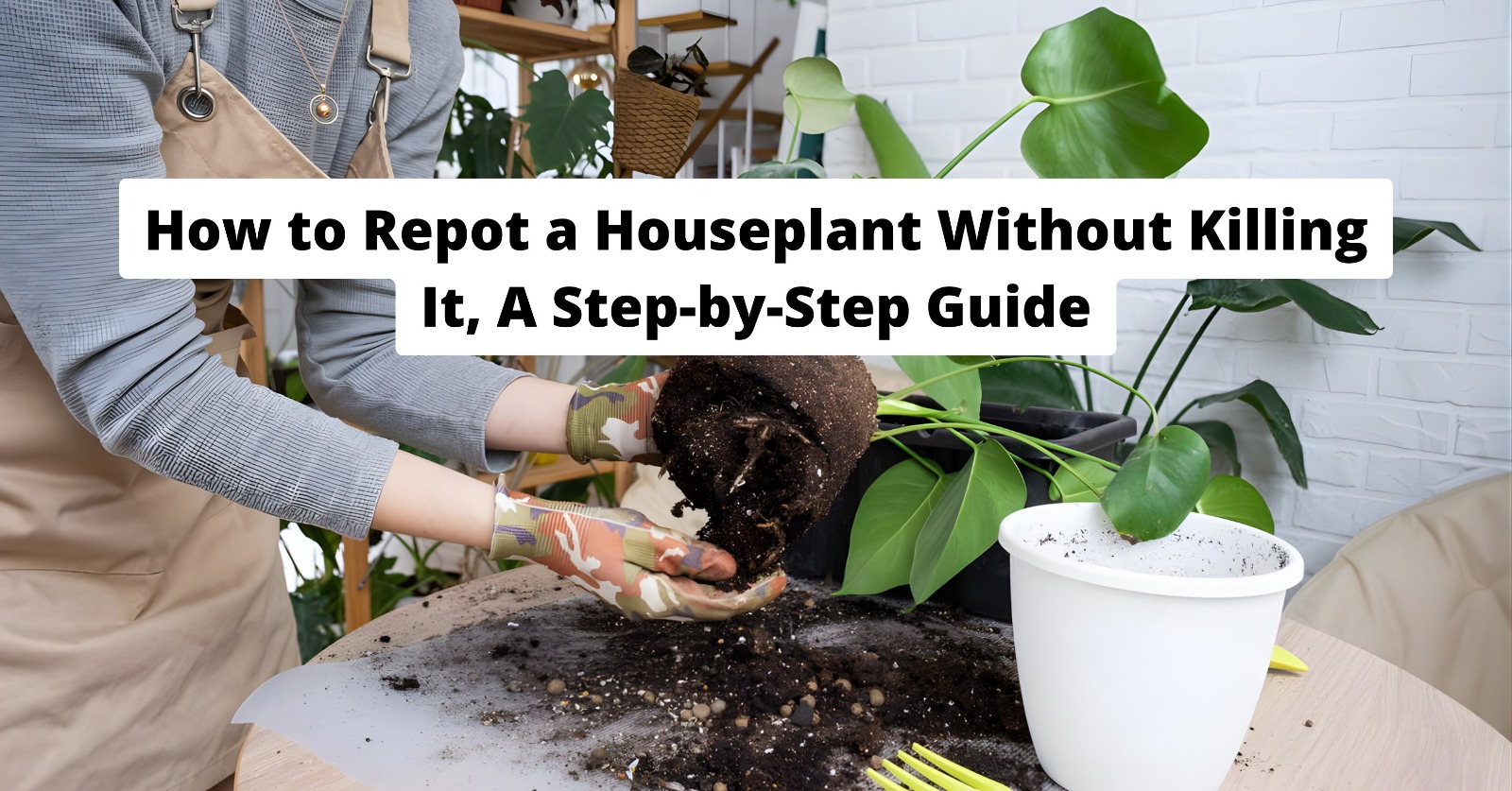
Lots of houseplant people get really worried about repotting. They’re afraid of hurting the roots, getting a pot that isn’t right, or accidentally making things go from bad to worse for their plant. Because of these fears, many wait until their plants are obviously doing poorly before they think about repotting. But actually repotting isn’t complicated and, if you do it the right way, can perk up a sad plant, supply it with new food, and allow the roots to have room to grow and support all the leaves and stems. Figuring out when a plant really needs a bigger pot (not all of them need this every year!) and using a method that doesn’t upset the roots too much and cause a big shock is what’s important.
Signs a Houseplant Needs Repotting
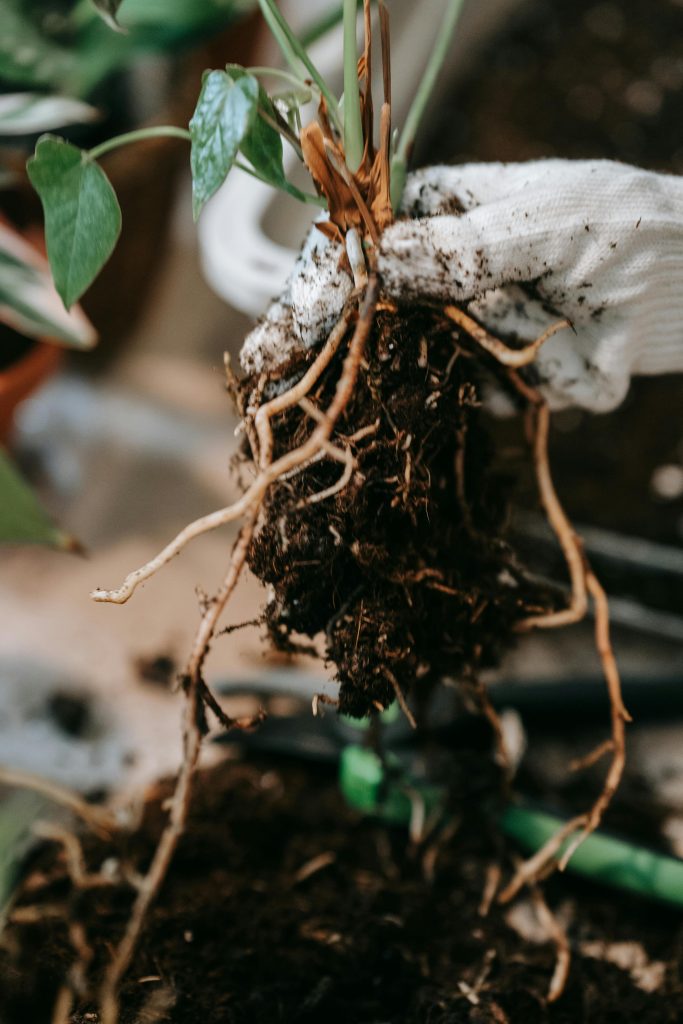
You don’t have to repot houseplants every year on a set date, in fact, a lot of types do better with a bit of a snug fit for their roots. You should repot because of what you can see happening with the plant, not just because a year has passed. Roots poking out of the bottom of the pot, or forming a clear spiral on top of the soil, are a pretty clear indication. If water flows right through the pot without the soil soaking it up, it’s likely the roots have filled so much of the space that there’s no soil left to hold the water. Slowed or much smaller new growth, even with plenty of light and food for the plant, means the roots have run out of room and food. And a plant that falls over a lot from being top heavy (lots of leaves and stems versus a smallish rootball in a small pot) definitely needs a bigger container. If you aren’t seeing any of those things, your plant is likely doing fine where it is and you shouldn’t bother it.
Choosing the Right Pot and Soil
When you get a new pot, it should only be an inch or two wider in diameter than the one your plant is in. It feels sensible to go for a much larger pot, thinking more space for the roots equals more growth, but a hugely oversized pot will hold a lot of soil and the roots won’t be able to use all the water in it for a long time. This leads to soil being too wet and causes root rot. Increasing the size a little bit lets the roots grow, but keeps a good balance between how much water there is and how many roots there are to drink it. The pot absolutely needs drainage holes. You can use a pretty pot without drainage as a cover (called a cachepot) if you put a plastic pot with drainage inside. And you will need new potting mix suited to your plant; for most houseplants a typical tropical mix is good, cacti and succulents need a cactus and succulent mix, and plants that grow on other plants (epiphytes) do best in orchid bark mix – this gives them the food and drainage they need.
The Repotting Process Step by Step
Water the plant well, one or two days before you’re going to put it into a new pot. Soil that has some moisture in it comes away from the roots more easily than dry soil, and a plant with plenty of water in it will bounce back from being moved to a new pot more quickly. To get the plant out of its current pot, hold the bottom of the plant with one hand and turn the pot upside down. Then, gently press or tap the sides of the pot to loosen the rootball. If the roots are wrapped very tightly in a circle at the bottom, gently use your (clean) fingers to pick at them and get them facing outwards. This will encourage the roots to grow into the new soil, instead of continuing to go in circles. Or, if the rootball is really crammed, make three or four cuts up the sides of the outside with a clean knife – this does the same thing.
Put a bit of new potting mix in the bottom of the new pot, just enough for the top of the rootball to be about half an inch below the pot’s edge so you have room to water. Get the plant in the middle of the new pot and fill in all around the rootball with the fresh mix. Use your fingers to gently press the soil around it, removing big bubbles of air but don’t overly squash the soil. The soil line on the stem should be at the same place as it was in the old pot. Putting the stem deeper down can cause it to rot, and letting the rootball sit too high will let roots dry out. Water the plant thoroughly right after you repot it and then put it where it usually goes. Hold off on fertilizer for two to four weeks. This gives the roots time to settle into their new soil before you start encouraging lots of new growth.
Key Takeaway
You shouldn’t repot just because it’s been a year. Instead, look for things telling you the plant needs it: roots growing out of the bottom, water going straight through when you water, or the plant just not growing very much. The pot you move it to should be just a little bit bigger, so one or two inches wider all around, and of course have holes in the bottom for water to get out. Use new soil that’s right for the plant. Carefully loosen roots that are circling around in the old pot, and when you plant it in the new one, keep it at the same height in the soil. Then give it a really good watering, and don’t feed it fertilizer for a couple to four weeks. That will help it settle in with as little upset as possible.
Leave a Reply