

10 Seeds That Germinate in Less Than a Week-Perfect for Impatient Gardeners
Even gardeners who’ve been doing this for a long time will find their patience tried while waiting for seeds to sprout. Quite a few plants won’t show anything growing up from the earth for between two and three weeks, and this makes the person growing them look at nothing but empty soil and worry if they’ve done something incorrectly. However, a lot of frequently grown vegetables, herbs, and flowers will sprout in just three to seven days when they have what they need to grow; and that’s quick enough to actually see them growing within a week of putting the seeds in the ground. Those that sprout quickly are especially useful for anyone just starting to garden because they give you a nice win fairly quickly, for gardening in school where you don’t have much time, and for when you have spaces in a garden that’s already growing and you need to fill them in a hurry.
1. Radishes: 3 to 5 Days
Radishes really are the quickest seeds to start growing. If the soil is damp and the temperature is between 55 and 75 degrees Fahrenheit, they almost always pop up in three or four days. A few gardeners have even said that the very first root of the plant, or radicle, can be seen in only 48 hours! This quickness doesn’t stop with sprouting. Most spring radishes are ready to eat a mere 25 to 30 days after you plant the seed, so they are the fastest thing you can grow from seed to your plate in a vegetable garden.
2. Lettuce: 2 to 5 Days
Lettuce seeds are amazingly quick to start growing when the top of the soil is right. They need light to begin sprouting, so don’t put them under the soil, just lightly press them on top. If the soil is damp and the temperature is between 60 and 68 degrees Fahrenheit, which is what they like best, you’ll see them come up in two to five days. The loose-leaf kinds are the speediest, but Romaine and Butterhead can be a day or two longer.
3. Arugula: 3 to 5 Days
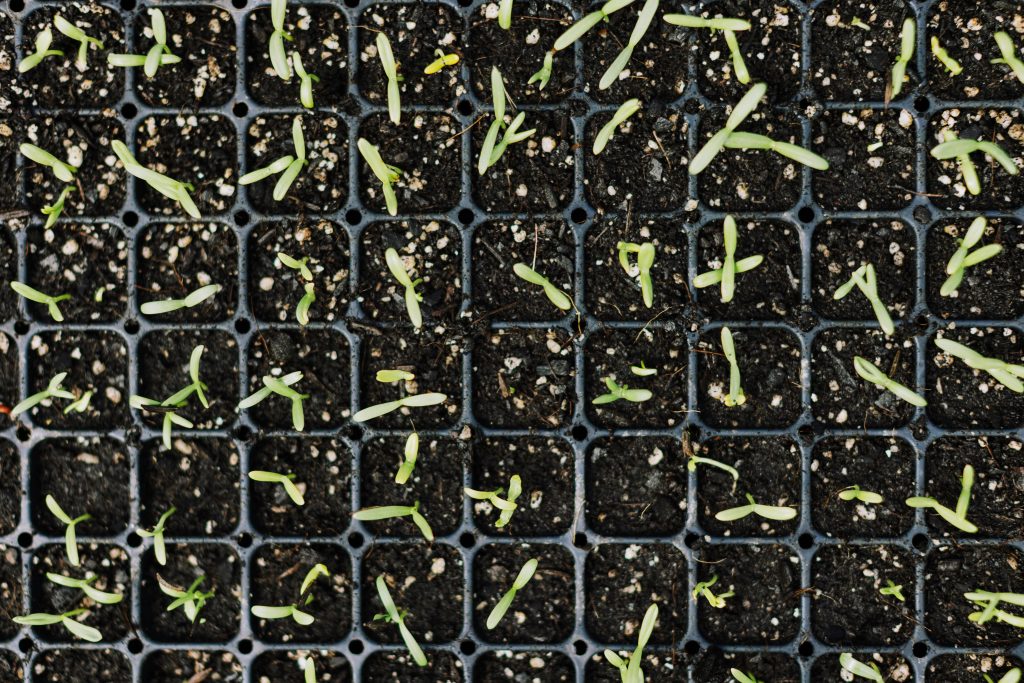
Arugula is a salad leaf which springs up very quickly in soil that is cool or fairly warm. You can gather the spicy leaves as microgreens in a mere ten to fourteen days, and enjoy them as proper salad leaves in thirty to forty days. Because arugula is so fast growing from seed, you’ll have a steady stream of it all through spring and autumn if you sow some more every couple of weeks.
4. Cucumbers: 3 to 5 Days
If the ground is warm – 70 degrees Fahrenheit or warmer – cucumber seeds sprout very quickly. Because they’re big, the seeds soak up water fast and a strong, little plant comes up through the dirt in only three to five days. However, germination (sprouting) gets a lot slower if the soil is colder than 60 degrees, so it’s important to make sure the ground is properly warmed up to get them to grow rapidly.
5. Beans: 4 to 7 Days
Bush beans and pole beans both come up pretty fast in warm dirt. Their big seeds are simple to plant at the right depth – one or two inches – they soak up water really well, and they make strong, solid shoots that push their way out of the ground. Beans sprout quickest when the soil is between 70 and 80 degrees Fahrenheit, but they’ll still sprout if the soil is as cool as 60 degrees.
6. Squash and Zucchini: 4 to 6 Days
Squash, zucchini, pumpkins and gourds (they’re all in the cucurbit family!) will sprout quickly when the soil is warm. Their big, flat seeds are really simple to hold and get in the ground, and the first leaves that come up, the seed leaves, are surprisingly big so you see something happening right away. If the soil is 70 degrees Fahrenheit or warmer, you’ll get them growing at their fastest.
7. Sunflowers: 5 to 7 Days
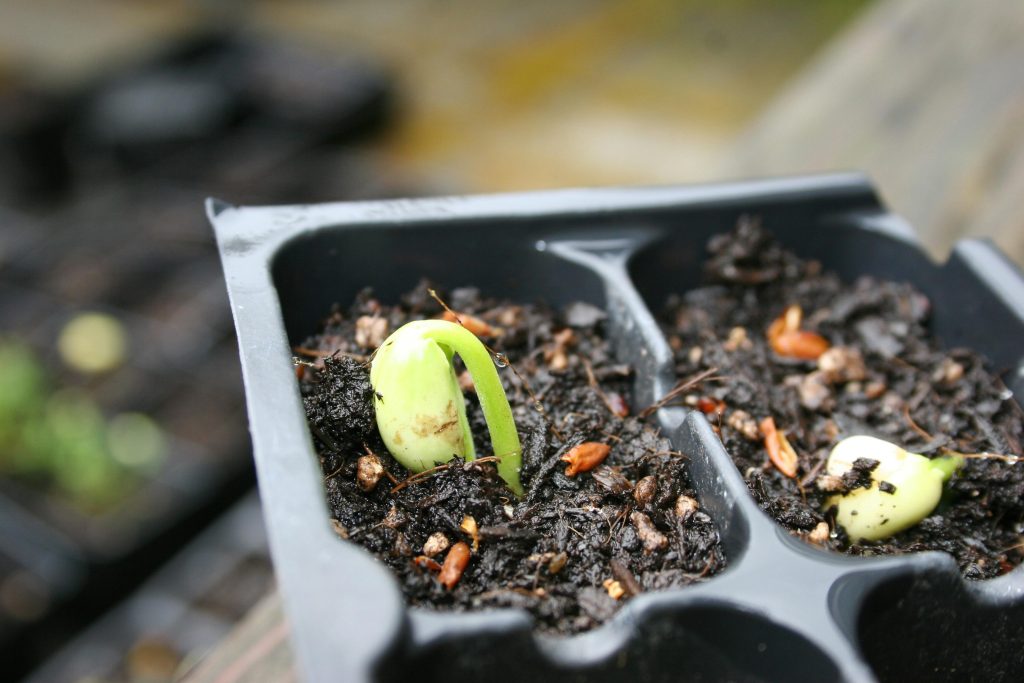
Because they’re big, simple for little hands, and sprout fast in warm earth, sunflower seeds are what many kids use for their first garden. Once they do come up, the little plants are amazingly large for something you’d grow to eat, having thick stalks and wide leaves which you can really see right away. For best results, sunflower seeds should be planted in soil that’s between 70 and 80 degrees Fahrenheit.
8. Turnips: 3 to 5 Days
Turnip seeds are really quick to start growing – of all root vegetables, they’re right up there with the speediest, popping through the soil in three, four or five days when the ground is cool or fairly mild (that’s between 50 and 70 degrees Fahrenheit). Because they come up so fast, turnips are perfect for filling in any gaps in your garden, both in the spring or for a fall crop.
9. Basil: 5 to 7 Days
When the soil is comfortably warm, between 70 and 80 degrees Fahrenheit, basil seeds will sprout in five to seven days. These seeds are very tiny, so you just need to lightly cover them with dirt, or even just gently press them onto the top of the soil. Warmth is the most important thing for getting them to grow; below 65 degrees they’ll be much slower to start, and under 50 degrees they might not grow at all.
10. Marigolds: 5 to 7 Days
Marigold seeds are really easy and speedy to get growing, and that’s why they’re a fantastic flower for people just starting out or for doing things with kids at school. Once they are growing, the little plants are strong, aren’t too fussy about things being just right, and start to flower six to eight weeks after the seed has sprouted. So you get from seed to a lovely bloom in under two months!
Key Takeaway
You can expect radishes, lettuce, arugula, cucumbers, beans, squash, sunflowers, turnips, basil, and marigolds to come up within a week if they have what they need. For all these seeds to sprout quickly, soil temperature is the most important thing. Plants that do best in cooler weather will come up most quickly in soil between 55 and 70 degrees Fahrenheit, and those for warmer weather need 70 or even warmer. Choosing seeds like these for your first try gives new gardeners a quick win, and in a garden you already have going, they fill things in rapidly.