5 Seed Starting Myths That Waste Time and Money-What Experts Actually Recommend
Actually getting seeds going isn’t hard, yet the amount of advice you’ll find on the internet (and a lot of it that doesn’t agree, is old news, or isn’t based on any real proof) causes lots of gardeners to do things that are way too complicated or actually make starting seeds harder. Some popular seed starting ideas seem to make sense, but experiments by people who study plants have shown them to be wrong. And others are still followed just because they’ve been said so many times that to challenge them would be almost a kind of sin in the gardening world. If you can figure out what these incorrect beliefs are and stop believing them, starting seeds gets easier, and you’ll get plants growing with less work and less money spent.
Myth 1: Seeds Must Be Started in Special Seed Starting Containers
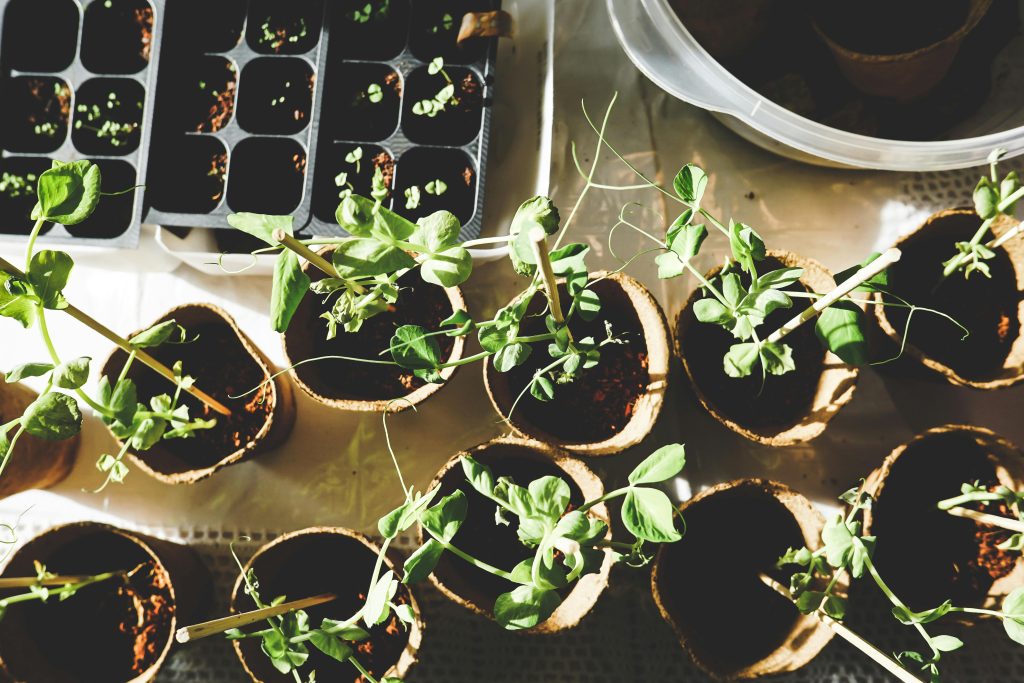
Garden centers have a lot of fancy stuff for starting seeds: things like peat pellets, pots that break down, trays that water plants themselves, and complicated, stepped plant-growing systems. However, they actually aren’t required. Experts who study plants have shown that seeds sprout just as happily in old yogurt containers, egg boxes, leftover food containers, or really, any clean holder with holes in the base for water to drain. The pot itself doesn’t really affect whether a seed will begin to grow. Instead, it’s what the seed is planted in (the growing medium), how wet it is, and the warmth that are important. A lot of newcomers get put off and don’t continue with seeds because they spend a lot of money on special containers before even finding out if they even like starting seeds.
Myth 2: Seedlings Need Warmth at All Times
Heat mats are really good for getting seeds to sprout quickly, yet people often forget to switch them off once the seedlings are actually growing. Vegetable seedlings like temperatures of 60 to 70 degrees during the day and 55 to 60 at night. That’s a lot cooler than the 75 to 85 degrees the soil needs to sprout in the first place. If you keep heating the soil after the plants have emerged, they get long and spindly as they rush to grow in the heat. For stronger, bushier plants, get rid of the heat mat on the day the little seedlings pop through the soil, or at the very latest, within 24 to 48 hours.
Myth 3: Starting Seeds Earlier Produces Earlier Harvests
Lots of gardeners think if they begin seeds indoors six to eight weeks before the last frost, they’ll get a similar amount of extra time in the growing season. However, what actually happens is seedlings that are started too far ahead of time get too big, their roots get all tangled up in the pot, and the plants are weakened by the time the weather outside is good enough for them to go in the ground. A big plant with lots of roots that are packed together will usually need longer to get going after you plant it than a younger, smaller one that’s planted at the right time, which actually cancels out the benefit of the early beginning. The best time to start your seeds, to get plants to the perfect transplant size when the weather outside is right, is on the dates suggested on the seed packet or in your local planting calendar.
Myth 4: Seedlings Should Be Watered Every Day
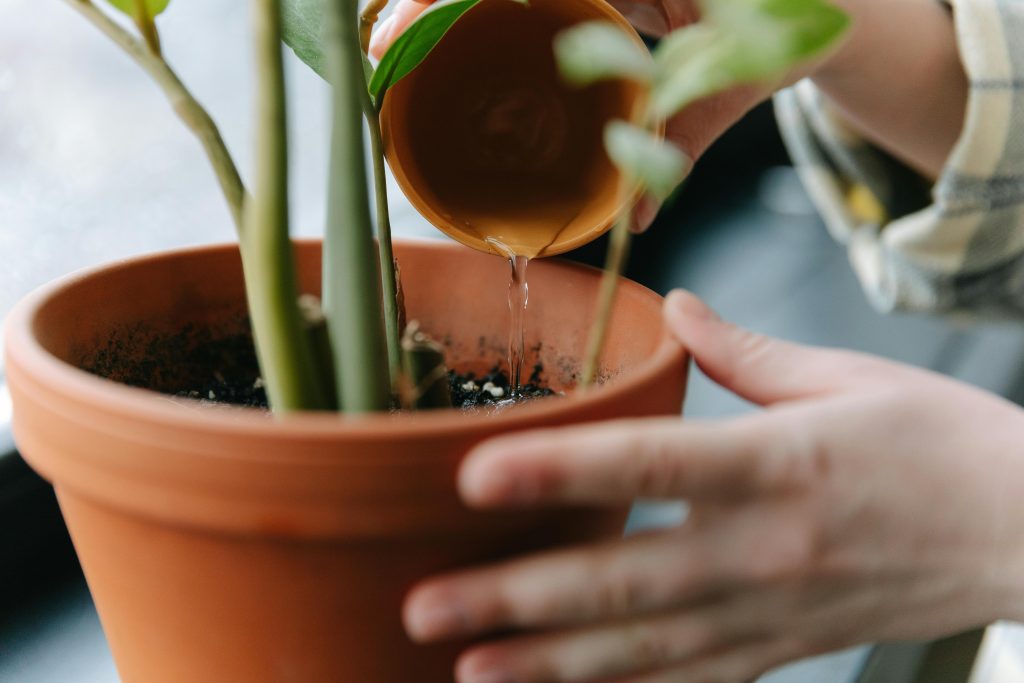
Watering seedlings every single day very quickly leads to damping off and root rot. Instead, you should water when the top of the compost starts to feel dry. This might be daily when it’s warm and dry and you’re using small pots, or it might be every two or three days if it’s cooler and the pots are bigger. A good method is to put the pots in a tray with a little water in and let the water soak up into the soil through the holes in the bottom; this fully wets the plant, but doesn’t get the surface of the soil and the bottom of the stems wet – and it’s on those parts that things that cause fungal problems build up.
Myth 5: A Sunny Window Provides Enough Light for Seedlings
Mature houseplants are usually fine with light from a south-facing window, but starting plants from seed (seedlings) almost never get enough brightness or for a long enough period from a window. This is particularly true late in the winter and early spring, when most seeds are started inside. At this time of year, the days aren’t very long and the sun isn’t very high in the sky. Consequently, a window sill receives a lot less light energy than it does in the middle of summer. Seedlings that only get light from a window will nearly always become tall, flimsy and stretch toward the light, a problem called ‘legginess’. A simple LED grow light, placed two to four inches above the seedlings and on for fourteen to sixteen hours each day, will create much stronger, bushier plants. And this isn’t expensive, in fact it will likely pay for itself during just one seed starting period.
Key Takeaway
You don’t need fancy pots, all the time warmth, planting the seeds super early, water every single day, or a spot right in the sun to get seeds going. Using things you’ve already got for containers is just as good as buying new ones. Once the seeds have sprouted, you can get rid of the heat mat. In fact, plants from seeds sown when they are supposed to be planted will be stronger than those pushed to start too soon. Instead of a fixed daily routine, just water when the soil actually needs it; this stops plants getting illnesses. And a normal grow light will always give you sturdier, smaller plants for the garden, much better than even the sunniest of windows.