

Each spring, people with home gardens have the same annoying problem. It often feels warm enough to put tomato plants in the ground, but a last late frost can destroy all the work you’ve done on them. Tomatoes are one of the kinds of veggies that get cold damage easily, being hurt at temperatures below 33°F and possibly being killed by a strong freeze. Still, gardeners who’ve been doing this for a while frequently plant their tomatoes from two to four weeks before most people think is safe. They aren’t being careless about the possibility of frost, but are covering them in a straightforward, cheap way that doesn’t need electricity, unusual supplies, or much continuing work.
How Tomato Teepees Create a Warm Microclimate
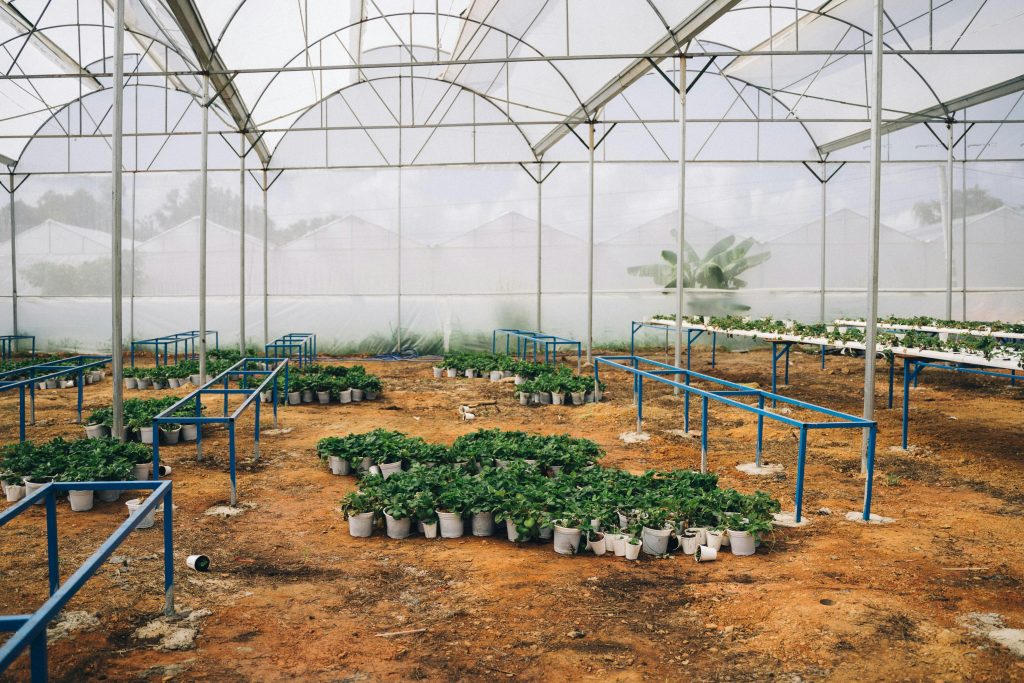
You put a cone or pyramid-shaped cover, often called a tomato teepee or hot cap, over each tomato plant after you’ve put it in the ground. You can buy these covers, or you can make your own from see-through plastic, and they act like tiny greenhouses. The sun goes through the plastic during the day, warming the soil and air within the teepee. Then at night, the heat that the soil has stored gives off warmth, and it’s a few degrees warmer inside the cover than outside.
Actually, agricultural scientists have shown that a good plant cover can keep the inside five to ten degrees Fahrenheit warmer than the lowest temperature at night. That difference is very often what determines if a tomato plant will live through a 30°F freeze completely undamaged or if it will be killed. Importantly, the soil itself holds a lot of heat: dark, damp garden soil soaks up a lot of warmth on sunny days in spring and then slowly lets it go all night.
Setting Up the Protection Correctly
Where you put a plant’s protection is really important, because it’s what decides if it will be safe from frost or become too hot, or not get enough air. You should put the teepee or cover over your tomato plant as soon as you’ve planted it and push the bottom down into the earth firmly, so the wind won’t blow it up. Lots of gardeners forget about airflow, and that’s vital. When it’s warm and sunny during the day, and the temperature inside gets over 90°F, you’ll need to open the top of the teepee or take the cover off for a bit to stop the plant from being harmed by the heat. Then, when the temperature at night is reliably staying above 50°F (generally two to four weeks after planting) you can get rid of the covers for good.
DIY Alternatives That Work Just as Well
If you don’t want to buy those little teepee shaped plant protectors, you can get the same effect using things you probably already have. A gallon plastic milk jug, with the bottom cut away, works really well to cover one plant; you can unscrew the lid during the day for air and put it back on in the evening. Big, clear five-gallon buckets, large glass cloches, and pale plastic storage boxes all do the trick as temporary heated covers. What’s important is the material letting in the sun but holding warmth near the plant.
Why This Method Outperforms Frost Cloth Alone
Normal frost blankets or row covers give a bit of shielding by holding a small pocket of air over the plant, but they depend a lot on the heat the plant makes through its life processes and any warmth the ground gives off. Frost cloth is light and hangs loosely, so it won’t make a fully enclosed, greenhouse style warm space as a sturdy teepee will. When you compare the two right next to each other, solid covers nearly always keep temperatures warmer during the night, especially when a serious frost is coming and the temperature falls to the 20s.
Frost cloth is good for some things; it can easily shield a large space, lets rain in, and doesn’t need you to check it as much. However, for each tomato plant trying to survive the changeable frosts of early spring, a teepee method is a much more effective, and you can be more certain of its, protection against the cold.
Getting the Timing Right
You’ll get the best results with this method in the two to four weeks after it’s safely warm enough to plant (about two weeks before your last usual frost) and when the temperature at night regularly stays above 50 degrees. Planting before then is risky, even if you try to protect the plants. Long stretches of temperatures under 40 degrees will seriously slow down tomato development, and could even kill them. So, keep a close eye on what the weather is doing in your area during those weeks, because even the best protection won’t help if there’s a really bad cold snap.
Key Takeaway
Putting tomato plants under little “teepees” or cloches (sometimes called hot caps) builds a small greenhouse around them and can warm things up by five to ten degrees overnight. Because of this easy and cheap trick, you can put your tomato plants in the ground two to four weeks before you normally would, getting a really good start on growing them and avoiding any damage from a late frost. You can use teepees bought from a store, milk jugs, or clear plastic buckets and all of these will do the job. But it’s important to have a way for air to get in on warmer days and to keep the coverings on until the temperature doesn’t fall below 50°F at night.
Leave a Reply