What a Soil Test Actually Reveals and Why Every Gardener Should Do One
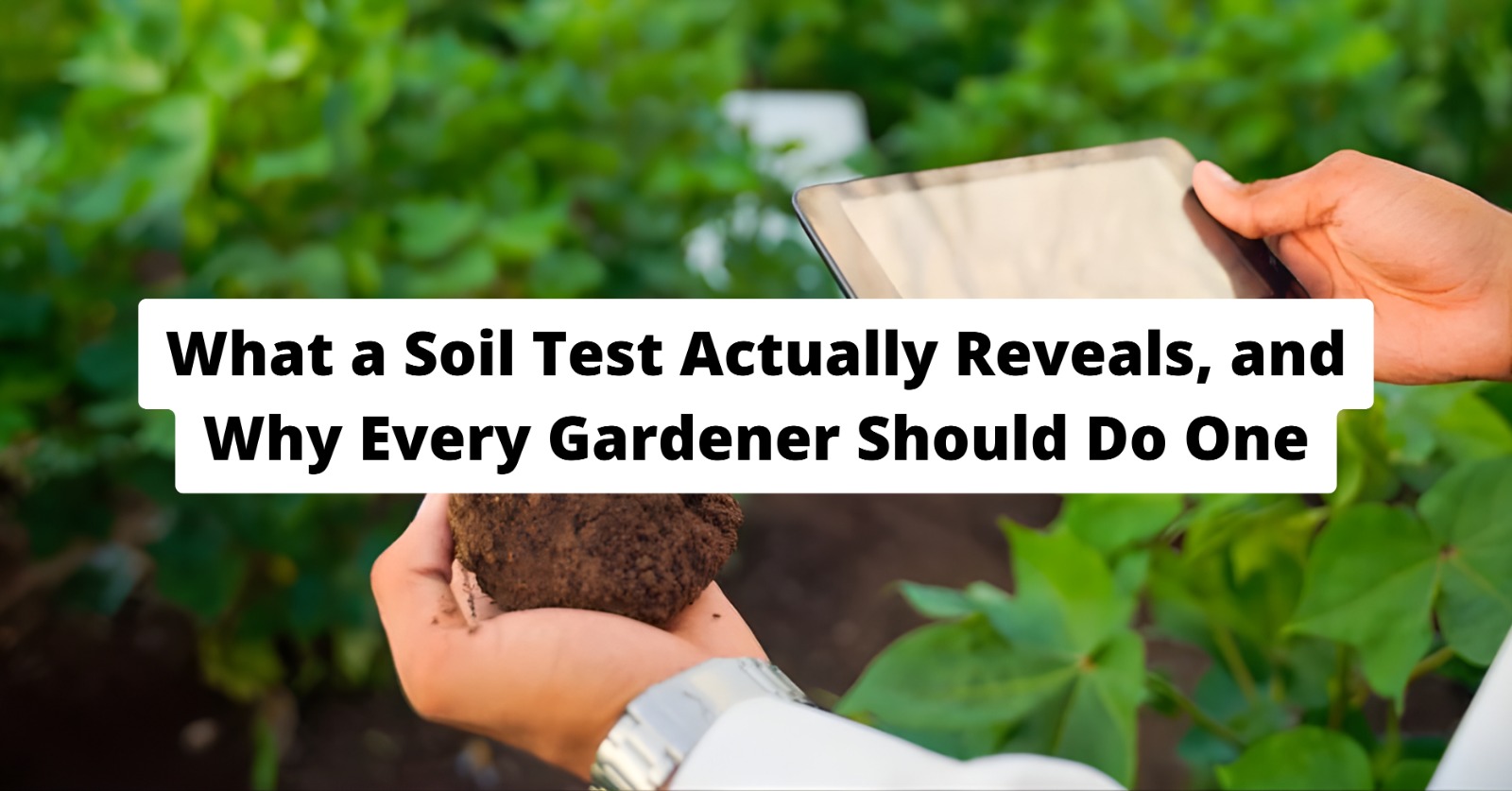
It’s like taking medication with no idea of what’s wrong with you when you put fertilizer, lime, sulfur or compost onto your garden soil before discovering what’s in the soil already. It might help, it might not do a thing, or it could actually make things worse. A really good soil test from your county extension office (and they’re in every state in the US and don’t cost much, between $10 and $25 usually) will tell you exactly how acidic or alkaline your soil is (the pH), the amounts of plant foods it has, how much decayed stuff it contains, and what kind of particles it’s made of. This lets gardeners improve the soil with specific, affordable treatments instead of just guessing.
In fact, people who work for agricultural extension services always say that getting a soil test is the single best thing a home gardener can do for better results. But, surprisingly, polls show under 15 percent of home gardeners have ever sent a soil sample to a lab to be looked at. Instead they judge by how the soil looks, use general fertilizer instructions or get advice that might not be right for their own particular soil.
What a Standard Soil Test Measures
When you get a typical soil test done through a county extension service, it will tell you how acidic or alkaline your soil is (the pH), how much of the main plant foods (nitrogen, phosphorus, potassium) are in it, and how much of other important nutrients are present. These other nutrients include calcium, magnesium, sulfur, iron, manganese, zinc, copper, boron. The percentage of organic material in the soil is included, as is the breakdown of how much sand, silt and clay it contains. Plus, a lot of places doing the testing will also give you the cation exchange capacity or CEC, and that’s how well your soil can hold onto nutrients and give them to plants, so it’s a really good way to get an idea of how good your soil is for growing things.
Why Soil pH Matters More Than Most Gardeners Realize
Soil pH is probably the single most important thing your soil test will tell you. It’s what decides how well plants can actually use the goodness already in the soil. You can have lots of phosphorus, iron, and all the other things plants need, but if the pH is too high or too low, plants will still be short of nutrients. The pH being way on the acid side or the alkaline side chemically changes the nutrients into forms roots simply can’t take up. Most vegetables do best in soil that’s a little on the acid side to right at neutral (a pH of 6.0 to 7.0). Blueberries, azaleas, and rhododendrons, though, are much happier in strongly acid soil (4.5 to 5.5). Once you know your soil’s pH, you can add exactly the amount of lime to make it more alkaline or elemental sulfur to make it more acidic. It’s much better to be precise; adding too much of either will cause even more issues than what you started with.
How to Collect a Proper Soil Sample
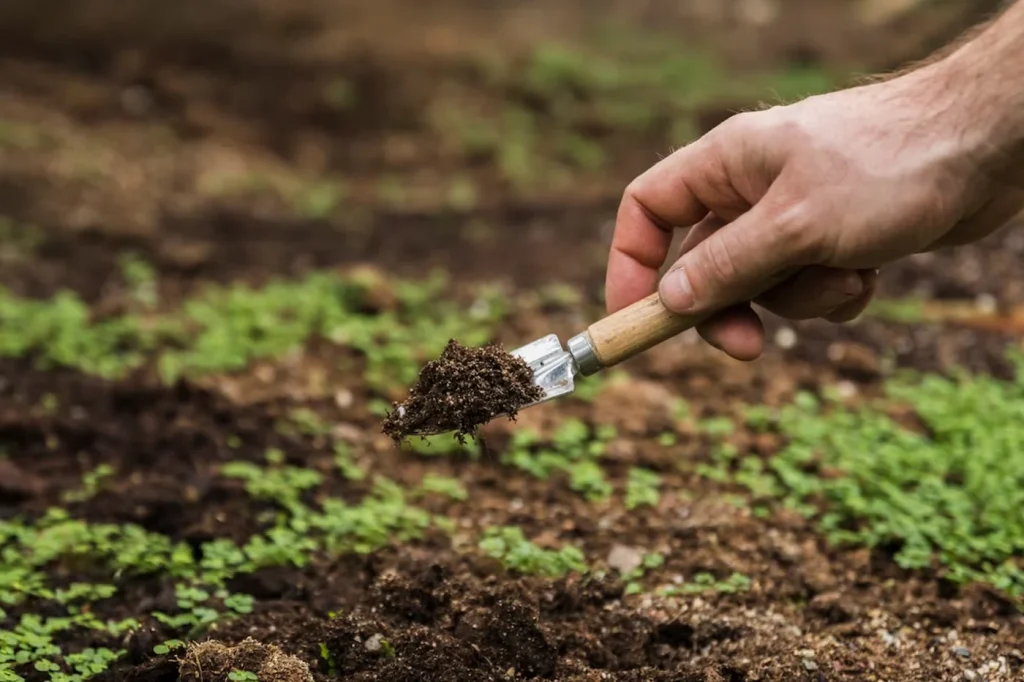
How good your soil test is rests completely on how good the sample you send in is. Agricultural extension labs suggest getting eight to twelve little samples from all over the garden you’re testing, digging down six to eight inches after getting rid of any mulch or bits of stuff on top. Then you should mix those little samples very well in a clean container that isn’t metal (a plastic bucket is perfect), and send a portion that’s a good representation of the mix to the lab in their bag or box. Don’t get samples from anywhere you’ve put fertilizer, lime, or other additions to the soil lately; those will throw the test off. You should test your soil every three or four years at least, or whenever you start a brand new garden.
What to Do With the Results
Typically, extension lab reports will tell you exactly what to add to your garden: how much lime, sulfur, or fertilizer to use for every 100 or 1,000 square feet to fix whatever is lacking in the soil. If you follow these suggestions perfectly, you won’t use too little (and therefore waste the money you spent on the soil test), or use too much (which can harm the life in your soil and cause plants to get too many nutrients). And if a soil test says you’ve already got plenty of something, you can easily leave it out of your feeding routine, which is good for your wallet and keeps excess fertilizer from washing away and polluting the environment.
Key Takeaway
Getting your soil professionally tested by a lab at your local cooperative extension office is fairly cheap, somewhere between $10 and $25, and it gives you a really accurate breakdown of your soil’s pH, how many nutrients it has, and how much organic matter is in it. This specific information means you can make changes to your soil that are exactly what it needs instead of simply taking a shot in the dark. Of all the things they measure, pH is the most important – it’s what decides if the nutrients are actually usable for plants, and it doesn’t matter how much fertilizer you add if the pH isn’t right. And if you take a good sample from several spots in your garden, and then do what the lab tells you to do to improve it, you’ll see much better growth than you would using just any old plant food.