How to Prepare a Vegetable Garden for Winter So It Comes Back Stronger in Spring
What you do to your garden in the autumn really impacts how well it does next spring. If you just walk away from a garden after the final harvest, leaving the old plants in place, the earth uncovered for the winter rains and freezing, and your tools to get rusty, then you’ll have a lot of fixing to do in spring. Plus, the soil will likely be in worse condition, you’ll have more weeds, and diseases might still be around. However, a garden given some careful attention in the fall, for just a little while, will be snug with improved and sheltered soil and when it’s time to plant, you’ll have a lot less to do.
Remove Spent Crops and Plant Debris
If you leave sick plant parts in the garden all winter, they become a home for things that will harm your new plants in the spring – fungal spores, bacterial diseases, and insect eggs. You should get rid of all your vegetable plants when they’re done, pulling them up with the roots. If they didn’t have any sickness while they were growing, you can put them in your compost. But if they did show signs of disease, you’ll want to get rid of them with your city’s yard waste collection. Also, wipe down tomato cages, supports and climbing frames with watered-down bleach, then put them somewhere protected from the weather to stop them rusting or holding onto diseases for next year.
Add Compost and Amendments
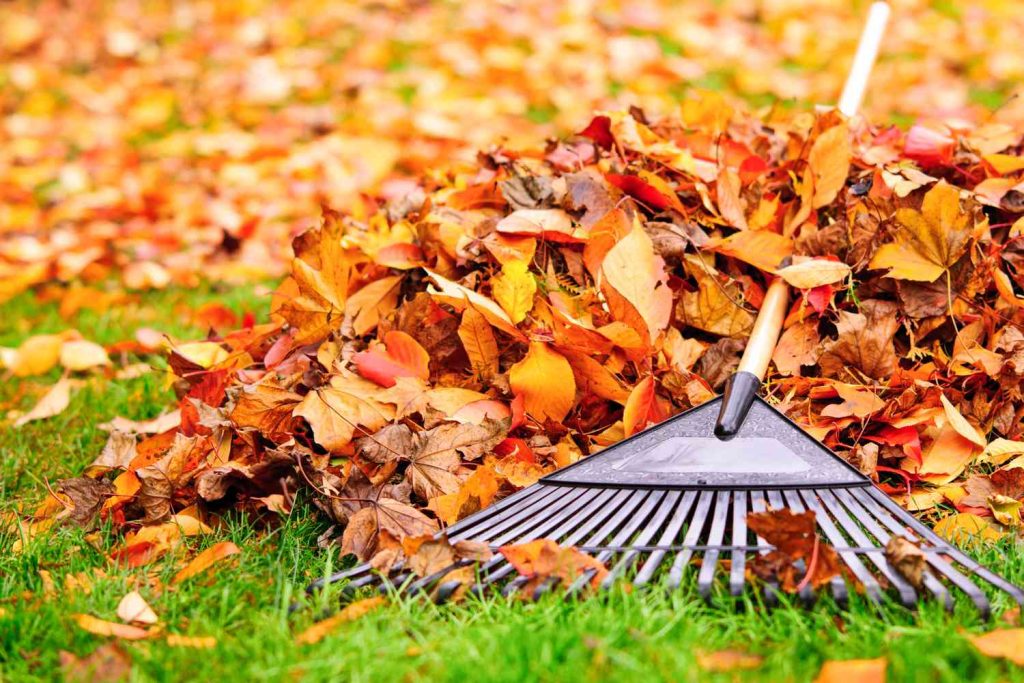
Autumn is a perfect time for adding compost, well-rotted manure, lime if your soil is too acidic, or any other soil improvement that takes a while to become useful, because over the whole winter they’ll decompose and mix with the earth, so that when you start planting in springtime, they’re ready. A layer of two or three inches of compost spread over bare garden beds and gently mixed into the top part of the soil will give your spring plants a continuing supply of food during their very important first stage of growing. Soil improvements done in the fall start to do things in the spring sooner than those you add at the time of planting.
Plant a Cover Crop — Or Apply Winter Mulch
When the ground is left bare over the winter, it gets worn away by the weather, gets pressed down, loses its goodness as nutrients get washed out, and a hard surface forms on top which makes water from the spring not soak in. To stop all that from happening, you can either plant a cover crop or use a generous helping of winter mulch. Cover crops – like winter rye, crimson clover, hairy vetch, or combinations of these – are planted in September or October and will grow during autumn, then become inactive for the winter. Their roots will keep the soil in place. Then in early spring, you chop the plants down and dig them into the soil, which improves the soil with organic matter and, if you’ve used beans or peas as your cover crop, with nitrogen. Alternatively, if you’d rather not look after a growing cover crop, a layer of shredded leaves, straw, or wood chips, four to six inches thick, will do a similar job of protecting the soil and can be moved to the side or worked into the ground in the spring.
Record What Worked and What Didn’t
The most helpful thing you can do in the winter garden doesn’t involve anything to do with the garden or tools. While the season is still in your mind, write down what did well, what didn’t, and anything else you noticed. Think about which varieties of plants gave you a good harvest and which ones were a letdown. Also, where did you have issues with bugs, which areas of your garden gave you the biggest harvests, and which gave you the smallest? And how did the weather impact your different plants? You can keep this information in an ordinary notebook, a computer spreadsheet, or a gardening app. It will then be what you use to make better plans for next year. Gardeners who have been doing this for years will tell you that looking back and planning is more important for improving your garden over time than any particular method or item you buy.
Key Takeaway
Getting your garden ready for fall really comes down to four main things. You need to get rid of plants that have finished producing and any old bits that could be spreading illness. Then you should mix compost and other improvements into the earth to slowly work their way in while it’s cold. Exposed soil should be sheltered with a cover crop or a nice thick layer of mulch. And importantly, jot down what happened this season – what grew well, what didn’t – to help with planning for next year. This doesn’t take long, probably a few hours, but it will give you noticeably better soil, mean fewer weeds and problems with disease and make a huge difference in the spring. You’ll be able to get straight to planting instead of fixing things up.