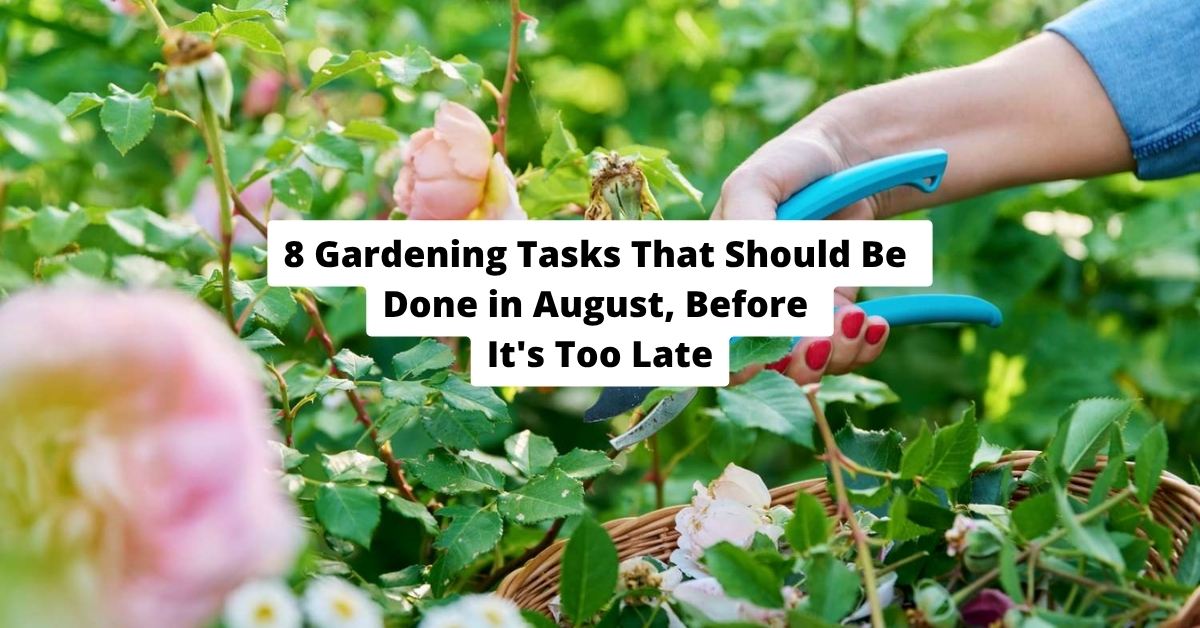
8 Gardening Tasks That Should Be Done in August-Before It’s Too Late
Lots of people with home gardens start to lose their gardening enthusiasm in August. Spring planting is long over, you’re getting a lot of produce from what you already planted in summer, and it just feels like the garden’s life is slowing down. Agricultural advisors, however, are quite clear that August is a hugely important month for gardening. It’s a vital shift in time, and what you do in the garden during this period will be the deciding factor between continuing to get fresh food all the way to November or having the garden stop producing by September. A number of things needing doing must happen this month, or you’ll miss your chance to do them altogether.
1. Plant Fall Crops Immediately
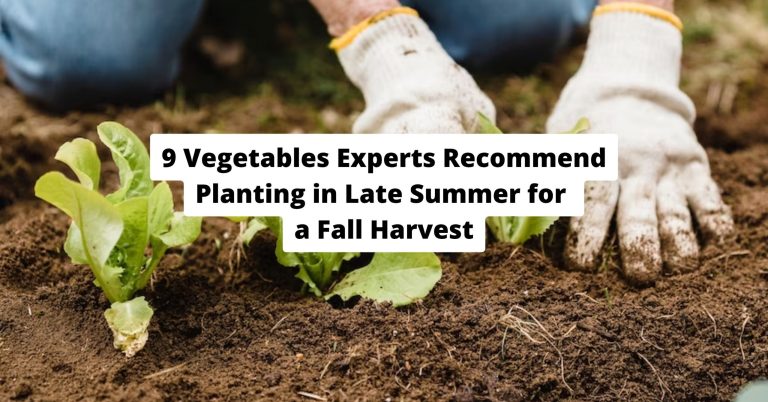
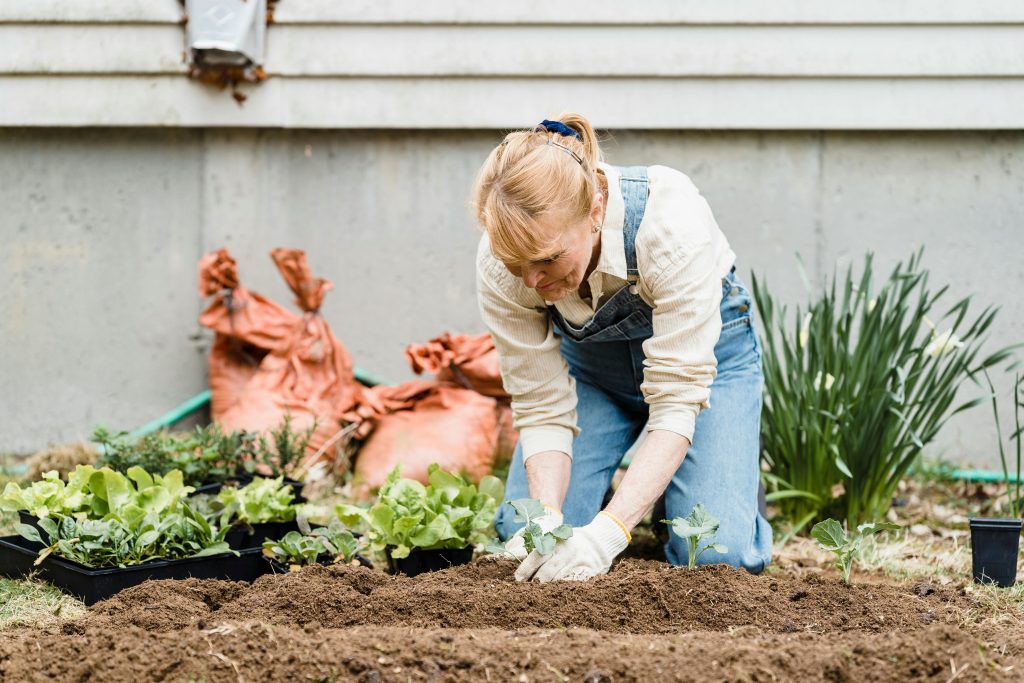
Getting fall crops started is the most urgent thing to do in August. For a good harvest before a really cold freeze hits, you need to plant (or put in transplants of) lettuce, spinach, kale, radishes, turnips, beets, carrots, peas, cilantro, and broccoli by roughly the middle of August in places with typical seasons. Each week you don’t get to them in August means you’ll have two or three weeks less of picking from them in the fall. This is because as fall comes on, days get shorter and temperatures drop, and both of those steadily slow down how much the plants grow.
2. Order and Plant Garlic for Next Year
If you want to plant garlic in the fall—and for most areas that’s October or November—you should get your seed garlic from a supplier in August. The kinds everyone wants disappear fast. If you hold off until October to order, you’ll probably have to take what’s available, and that might not be the best type for where you live or how you like to cook.
3. Harvest Consistently to Keep Plants Producing
Lots of vegetables, including beans, cucumbers, zucchini, peppers, and tomatoes, will produce less or no new fruit if you let the fruit already on the plant get totally ripe. The plant thinks when the fruit gets to its full size that it has done its job of making more plants and therefore makes fewer flowers and less fruit. If you pick them every two or three days when they’re making loads, you’ll keep these veggies steadily producing and get a harvest for many more weeks.
4. Deal With Late-Season Pests Before They Overwinter
If you let pest numbers climb all through August without doing anything about it, they’ll lay eggs that will live in the ground and amongst the discarded stuff in your garden, and you’ll have a much worse situation on your hands next spring. Don’t just assume squash vine borers, tomato hornworms, cabbage loopers, and Japanese beetles are something you have to deal with at this time of year, you need to really get on top of them. Getting rid of any plants that are affected and destroying them, physically taking pests off when you see them, and using suitable organic treatments now will lower the amount of trouble you have with pests next year a lot.
5. Water Deeply and Consistently
When it gets really hot in August, and things are dry, that’s typically why gardens start to do poorly later in the year. If plants don’t get enough water in August, their fruit will be smaller and not as good, they’ll get attacked by bugs more easily, and they could even stop making fruit. To keep plants growing well during the heat, give them one or two inches of water each week by using drip irrigation or soaking the ground deeply, and also top up the mulch because it breaks down over the summer.
6. Save Seeds From Best-Performing Plants
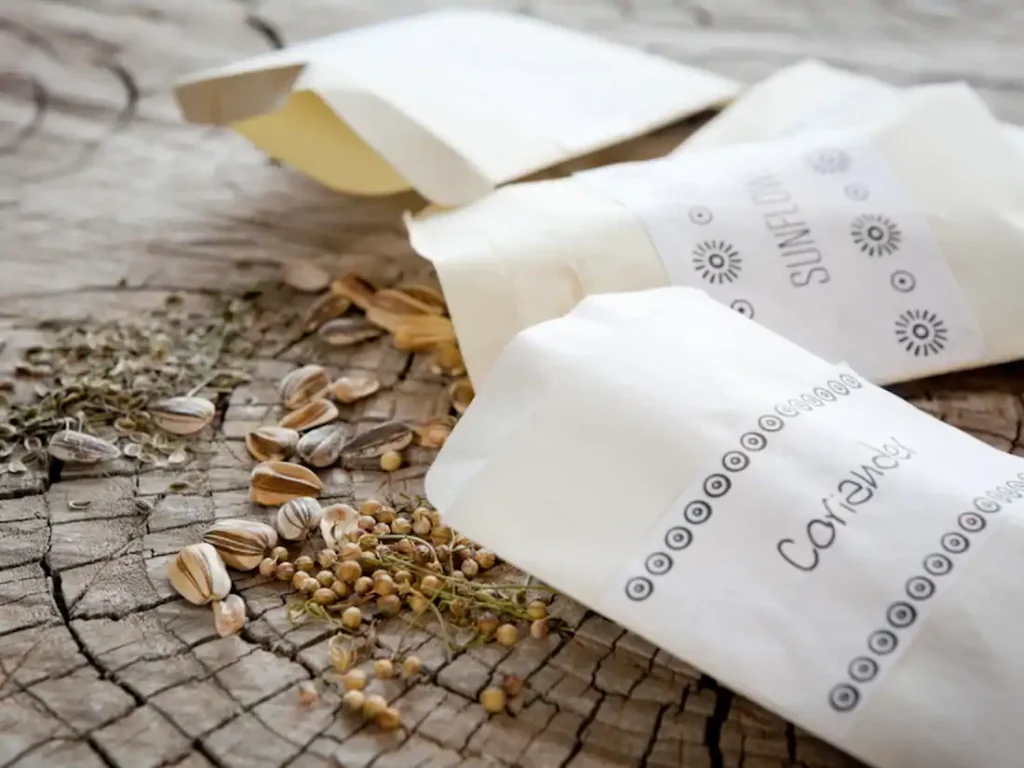
Lots of crops are at their best for seed saving in August. Now is the time to gather and prepare seeds from tomatoes, peppers, beans, herbs – in fact, anything in your garden that’s grown brilliantly, and whose fruit or seed heads are perfectly ripe. Each year, if you pick seeds from the strongest, most fruitful plants, the seeds you save will slowly but surely get better at growing in your garden.
7. Prune and Rejuvenate Herb Plants
If your herbs are long and stretched out, have developed tough wooden stems, or are covered in blossoms by August, a really good trim is what they need. You should cut off between a third and half of the way down the plant. This will encourage lots of nice soft new growth for you to use in cooking all through the fall and will likely mean the plant won’t “go to sleep” for several weeks longer. Basil, oregano, thyme, sage, all do wonderfully with a strong prune in August.
8. Plan and Order Spring-Flowering Bulbs
You plant tulips, daffodils, crocuses, alliums and lots of other bulbs that bloom in spring in the autumn – specifically between September and November. However, for the widest choice of what to grow, you should buy them in August. Much like with garlic, the most requested types of bulbs are quickly gone, and ordering in August means they’ll arrive before it’s the best time to put them in the ground for fall.
Key Takeaway
August is a hugely important month in the garden, it’s definitely not when you can just relax. You need to get fall crops in the ground, order your garlic and flower bulbs, harvest your produce regularly, deal with any bugs, make sure your plants are getting water, collect seeds, trim your herbs and think about what comes next. All these things have to happen fairly soon, by early September at the latest. If you really do things in August, instead of just picking what’s ready, you can keep getting good results for eight to ten weeks longer, and next spring will be so much simpler.