How to Extend the Growing Season by 4 to 8 Weeks With Simple Cold Protection
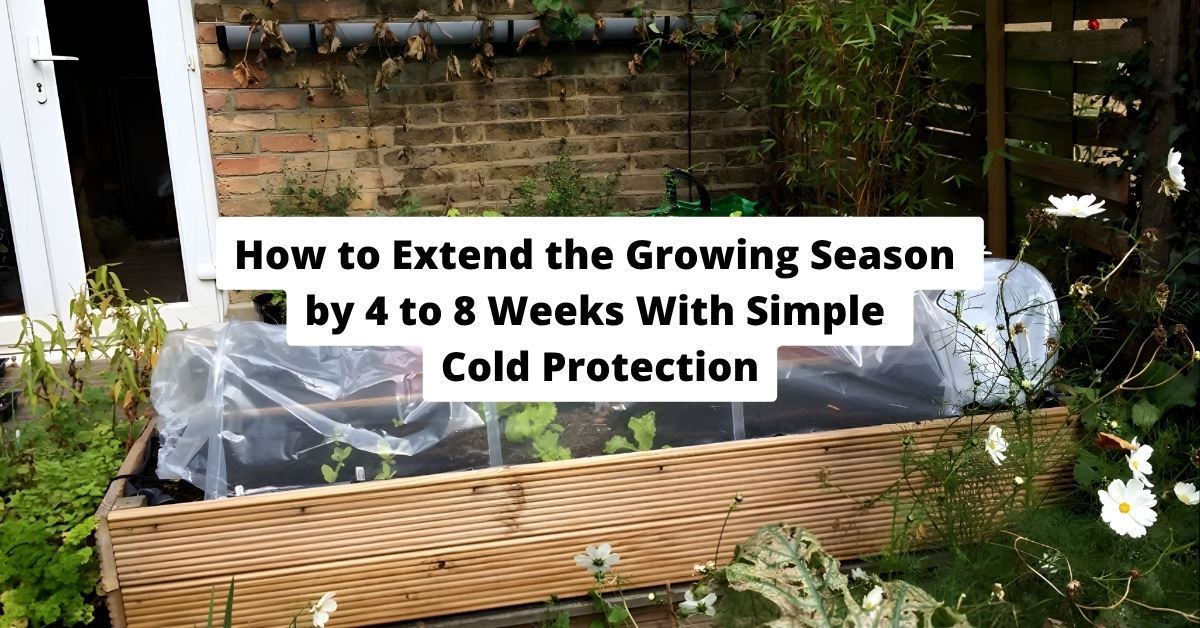
In many typical climates, the time when there’s no danger of frost (between the last frost of spring and the first of autumn) lasts from 120 to 180 days, and how long that is changes with where you are. Lots of gardeners find this isn’t long enough, especially further north where the last spring frost might not happen until late May, and the first fall one is here by mid-September. However, the season’s length isn’t set in stone. By using easy, inexpensive ways to protect plants from the cold, people with gardens can extend the time they can actually grow things by four to eight weeks, planting in the spring earlier and getting the harvest in later in the fall, and all without needing heated greenhouses or a lot of expensive additions.
Row Covers: The Most Versatile Protection
In many typical climates, the time when there’s no danger of frost (between the last frost of spring and the first of autumn) lasts from 120 to 180 days, and how long that is changes with where you are. Lots of gardeners find this isn’t long enough, especially further north where the last spring frost might not happen until late May, and the first fall one is here by mid-September. However, the season’s length isn’t set in stone. By using easy, inexpensive ways to protect plants from the cold, people with gardens can extend the time they can actually grow things by four to eight weeks, planting in the spring earlier and getting the harvest in later in the fall, and all without needing heated greenhouses or a lot of expensive additions.
Low Tunnels: A Step Up in Protection
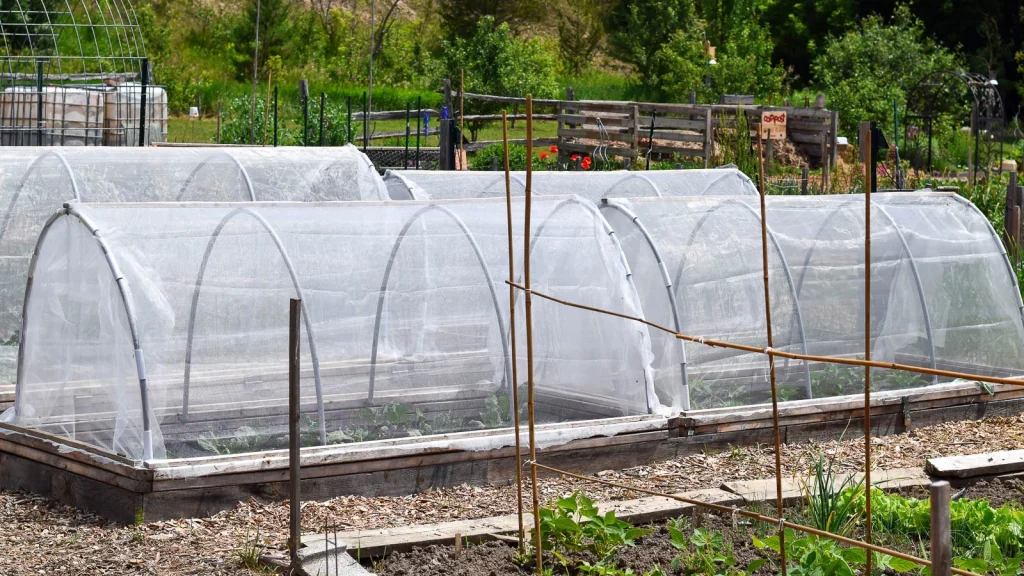
Low tunnels are like little greenhouses for single garden beds, being made from arched hoops of wire, PVC, or conduit and then covered with plastic or lightweight fabric. Inside them on a sunny day, the air gets much warmer than the temperature around it, and this warms the soil and then slowly releases heat to the plants when it gets dark. Using clear plastic for a low tunnel can mean the inside is ten to twenty degrees warmer than the air outside, and will protect plants from even a 20°F frost. However, you do have to think about the air inside; on sunny days, you’ll have to open the tunnel at either the ends or sides to stop things from getting too hot, and on cold nights, you need to seal it up to keep as much of that heat in as possible.
Cold Frames: The Permanent Season Extender
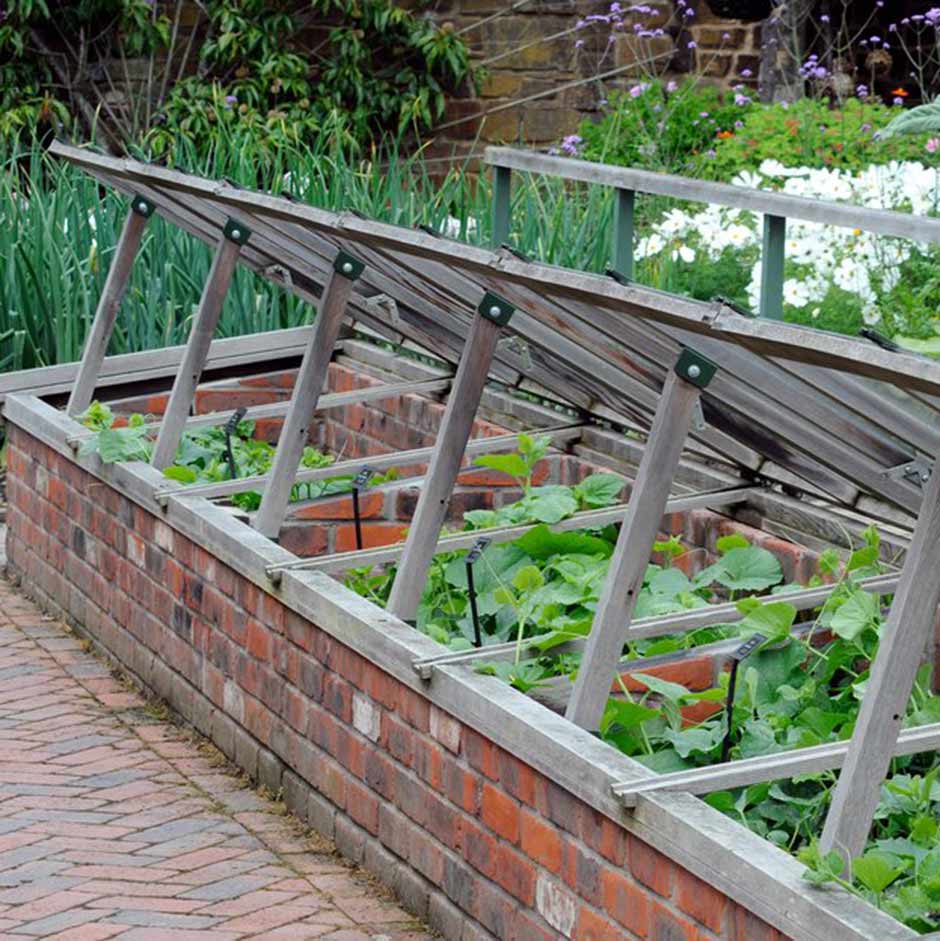
Essentially a box with no bottom and a clear lid (people used to use old window frames for the lid), a cold frame uses the heat stored in its walls and the way the lid traps sunlight (the greenhouse effect) to make a little protected area with a different climate. This can keep plants that can handle the cold going all the way down to 10 or 15 degrees. Cold frames are great for getting through the winter with salad greens, spinach, and other plants which are ok in the cold and will slowly grow during the winter in areas classified as zones 5 to 7. If you live in a colder zone, the cold frame holds plants in a sort of pause until the longer days of February and March tell them to start growing again, giving you something to eat from your garden weeks earlier than you could if you waited to plant outside.
Choosing the Right Crops for Season Extension
You’ll get the most from extending the growing season with plants that are already happy when it’s cool. Lettuce, spinach, kale, arugula, chard, mâche, claytonia, and Asian greens do very well protected from the elements in cooler temperatures, and they can handle a bit of frost or even a moderate freeze just fine. Similarly, root vegetables such as carrots, beets, turnips and radishes are successful under covers that extend the season. Tomatoes and peppers, which like it warm, can get a start in spring using row covers or tunnels for earlier planting. But when it comes to the fall, they aren’t good for extending the season. As soon as nighttime temperatures are consistently below 50°F, they’ll stop making fruit and quickly get worse, and this happens even if you have some kind of frost protection.
Key Takeaway
Row covers, low tunnels, and cold frames offer more and more protection against frost. Row covers protect plants from 4 to 8 degrees of frost, low tunnels from 10 to 20 degrees, and cold frames will even keep them safe down to 10°F. Importantly, these are all cheap, don’t use any electricity, and can significantly lengthen how long you can grow things at the beginning and end of the season, particularly if you’re growing lettuce, spinach, kale, root vegetables, or other plants that tolerate the cold. In fact, if you focus on extending the season with these types of plants that naturally handle the cold, you’ll have the best and easiest results.