Understanding Hardiness Zones: What the Numbers Mean and How to Use Them
You’ll see plant labels, seed catalogues, and gardening writing all the time mentioning “hardiness zones”. These are numbers like Zone 5b, 7a, or 9, and they’re meant to let gardeners know if a long-living plant (a perennial, tree, or shrub) is probably going to get through the winter where they live. Yet, even though almost everyone uses them, hardiness zones are often not understood correctly. A lot of gardeners seem to think they describe a whole climate, but in fact, they only show one particular thing. Knowing what a hardiness zone can and can’t tell you about gardening helps you avoid being sad because you’ve grown something that won’t survive, and also from missing out on a plant which would do brilliantly.
What Hardiness Zones Measure
All over North America, people use the USDA Plant Hardiness Zone Map. It splits the continent into thirteen zones and does this with just one thing in mind: the usual coldest temperature in winter. In Zone 1, winters typically get to between minus 60 and minus 50 degrees Fahrenheit, while Zone 13 has average winter temperatures of 60 to 70 degrees Fahrenheit. Within each of those zones are ‘a’ and ‘b’ sections, and these show five degree Fahrenheit differences. If a plant is labelled as ‘hardy to Zone 6’ you can expect it to survive the average lowest winter temperature for Zone 6, which is from minus 10 to 0 degrees Fahrenheit. Hardiness zones only tell you about winter cold, not summer heat, how much moisture is in the air, rainfall, the kind of soil, how high up you are or for how long plants can grow.
What Hardiness Zones Do Not Measure
Hardiness zones tell you if a plant can withstand the cold of winter, but they don’t say anything about how it will do in hot summers – and summer heat is just as crucial in many places. So, a plant that will survive the winter in zone 5 might get scorched by the really hot summer temperatures in some zone 5 areas. The American Horticultural Society did create a heat zone map, which uses the amount of time each year temperatures go over 86°F to categorize locations, but far fewer people use this heat map compared to the USDA’s cold zone map. Also, how well a plant grows is really impacted by rainfall, how well the soil drains, how humid it is, how much wind it’s exposed to and the length of the day, yet neither of these zone systems take those things into account.
How to Find and Use Hardiness Zone Information
You can find your particular plant hardiness zone on a free, interactive map from the USDA. All you do is put in your zip code. Then, when you’re picking out plants that will come back year after year (perennials), trees, bushes, or things you’ll grow through the winter, you should look at the hardiness zone range on the plant label or in the seed catalogue and match it to your zone. Plants that are rated for your zone, or one that’s colder, will almost certainly be fine. A plant for a zone that’s one step warmer than yours is a bit of a gamble; it might make it in a protected spot or during a not-too-cold winter, but it won’t necessarily last. And plants rated for two or even more warmer zones? They likely won’t get through a normal winter unless you do something special to protect them.
Microclimates: When Your Zone Isn’t Quite Right
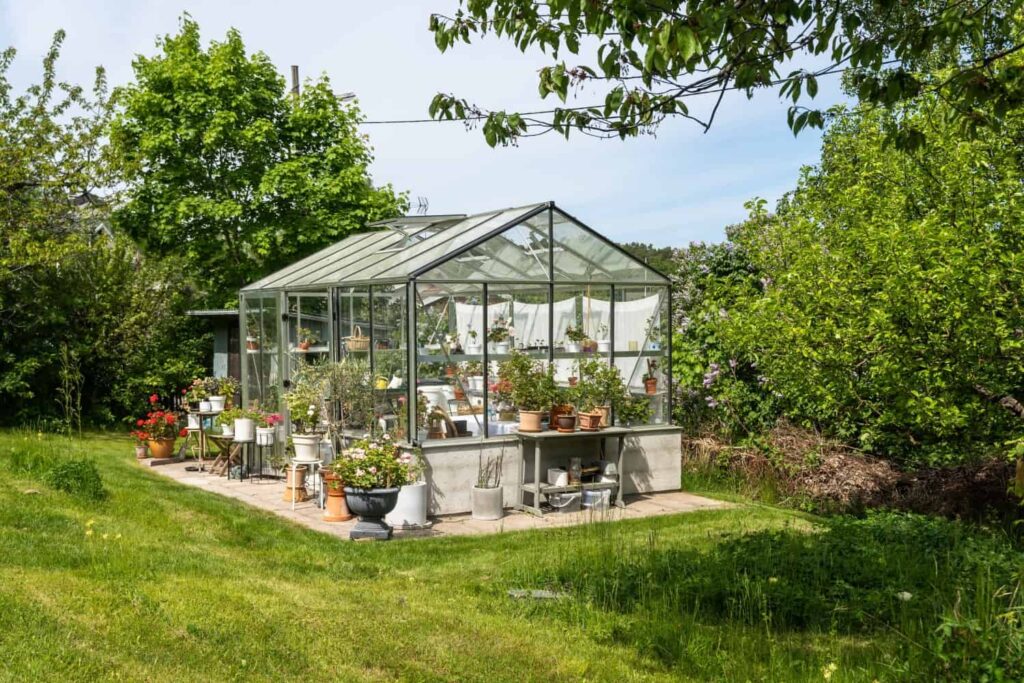
Because of things like buildings, the shape of the land, how the wind moves, or how much heat is held by materials on it, every piece of land has its own little pockets of different temperatures, which we call microclimates. For example, a wall that faces south and collects warmth from the sun will then give off that warmth and make a small area a whole zone warmer than the rest of the garden. And a spot that’s lower than everything else is likely to collect cold air on calm evenings, making it a zone colder. If you’re a careful gardener and notice these microclimates, you can often get plants that are officially listed for one hardiness zone beyond your area to thrive by putting them in the warmest spot. However, if you put a plant that’s only just hardy enough to survive in your zone into the coldest little zone on your land, it’s almost certain to die, even though the overall zone rating would say it should live.
The 2023 Map Update and What Changed
In 2023 the United States Department of Agriculture (USDA) published a revised plant hardiness zone map. This new map uses temperature information gathered from 1991 to 2020, a thirty year period. Roughly 50% of the US is now in a warmer zone than shown on the last map from 2012. Gardeners will find that some plants which previously might not have survived a winter in their area, likely will do just fine. The changes also point to some plants that don’t like a lot of heat potentially being more troubled by hot weather in the summer. For the best choices about what to grow, it’s best to look at your current zone on the new map, rather than relying on older guides, to use the most up to date climate details.
Key Takeaway
USDA plant hardiness zones tell you just the typical lowest temperature in winter for a place. They don’t consider summer heat, how much moisture there is in the air, precipitation, or the type of soil. When you pick plants that are listed as being good for your zone or a zone that gets even colder, you’ll have the best chance of them living through the winter. Also, if you find warmer areas near the south sides of walls or colder spots in dips in the land (these are microclimates) you might be able to grow things that are rated for a zone a little warmer or colder than yours. The newest USDA map came out in 2023 and lots of regions are now in warmer zones, so looking at the current zone for your area before you plant anything is a good idea.