How to Repot a Houseplant Without Shocking It-A Step-by-Step Approach
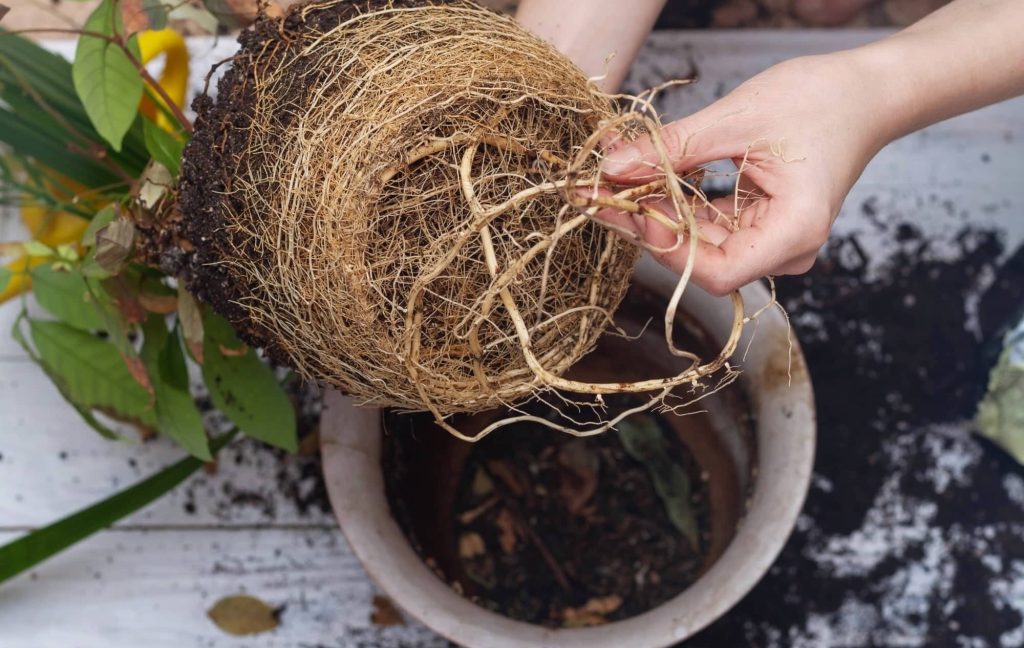
Eventually, all houseplants will get too big for their pots. The roots, having taken up all the room in the pot, start to grow in circles around the inside of it. Water will then flow right through the soil instead of being soaked up, and even with plenty of light and food, the plant will grow more slowly or not at all. All of this shows your plant is “root-bound” and requires a bigger pot with new potting soil. But, if you repot in a rough way – at a bad time of year, into a pot that’s too big or too small, or not doing it quite right – you can really upset the plant, causing it to droop, lose leaves, and stop growing for weeks. Knowing how to do it correctly will stop the plant from being shocked when you move it, and it will get back to growing strongly in its new place quickly.
When to Repot
Generally, late winter to early summer is the perfect time to move your houseplants to a larger pot. This is when they’re growing most strongly and have lots of light to bounce back after having their roots messed with. If you repot in the dead of winter when they aren’t doing much and there isn’t much light, they’re more likely to get transplant shock or root rot. The plant just won’t be able to put down new roots fast enough to take advantage of the new soil. You’ll know it’s time to repot if roots are poking out of the bottom, water is just sitting on top of the soil instead of soaking in, the plant gets dry within a day or two of being watered, you can see the roots going in a circle around the inside of the pot when you carefully get the plant out, or the plant has stopped or slowed down growing even though you’re looking after it properly.
Choosing the Right Size Container
When you get a new pot, it shouldn’t be much bigger than the one your plant is in now, just an inch or two wider across the top. A lot of people, hoping they won’t have to repot again for a long time, make the mistake of going to a really big pot. But that much extra soil is more than the roots can handle. Because the roots won’t use all that extra damp soil, it stays wet, and being overly wet leads to root rot. Increasing the pot size by only an inch or two gives the roots room to grow for a year or two, while also making sure the amount of soil and roots are balanced for good drainage, and air circulation.
The Repotting Process
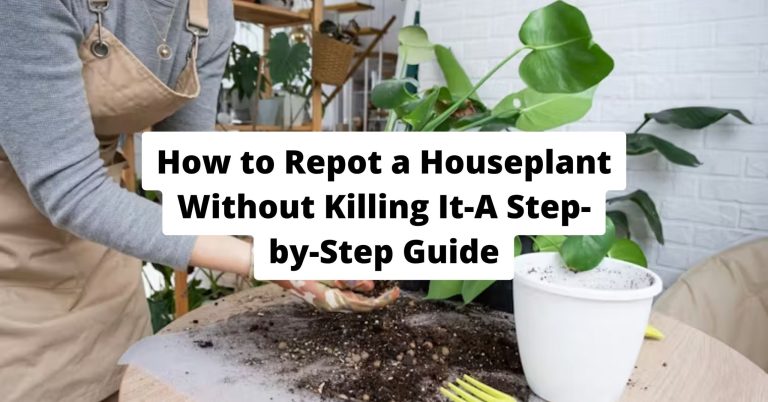
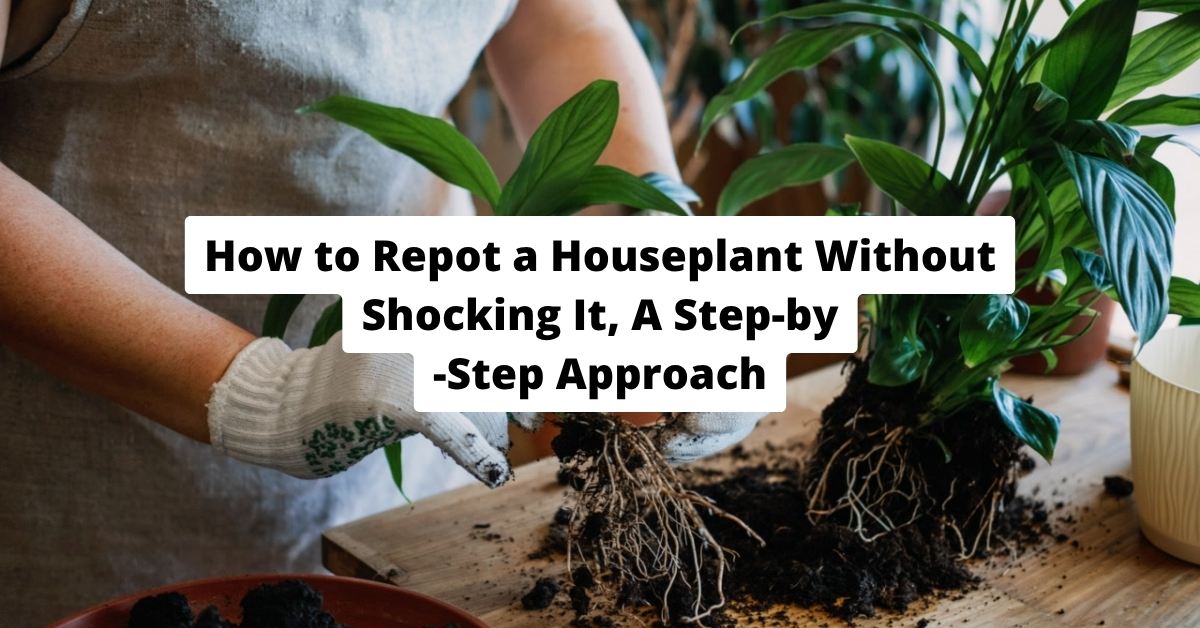
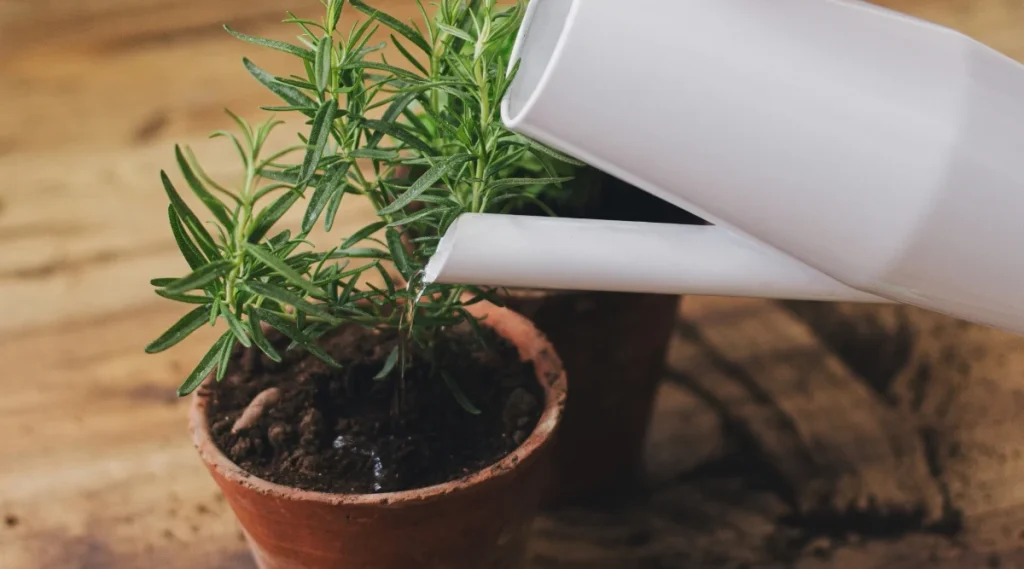
Give the plant a really good watering the day before you take it out of its old pot. Watered roots bend more easily and are much less likely to snap than dry ones. Tip the pot onto its side and carefully get the plant and all its roots out. If the roots are wound really tightly around the bottom or sides of the root ball, gently use your fingers or a clean knife to loosen or make some cuts in the outside of the roots. This will get them to grow out into the new soil, instead of continuing to go in a circle. Put a layer of new potting mix in the bottom of the new pot, then put the plant in the pot so the top of the root ball is about a half inch from the top of the pot. Then, fill the rest of the space around the root ball with fresh potting mix. Lightly press the soil down, but don’t make it too firm; roots require air in the soil to do their job. Water it well right after you’ve potted it up, to help the soil settle and get rid of any bubbles of air around the roots.
Minimizing Transplant Shock
For a week or two after you’ve moved your plant to its new pot, it needs to sit in good, bright light that isn’t direct sunshine. This lets the new roots get used to the fresh soil. Don’t feed it any fertilizer for a month or so after repotting. New potting soil already has all the goodness it needs, and the roots are a little vulnerable when they’re settling in and can easily be ‘burned’ by fertilizer. A bit of drooping in the first few days is totally fine and the plant will usually be back to normal within seven days as the roots get over being disturbed. However, if it’s seriously drooping and doesn’t improve after a week, the roots might have been hurt during repotting or the pot could be too big, and the roots are sitting in too much water.
Key Takeaway
To repot a plant well, pick a new pot that’s just an inch or two wider all the way around, and do it when the plant is actively growing. Before setting it in new potting soil, gently loosen any roots that are circling around. Then, give it nice bright but not direct sunlight and don’t fertilize for a month or so, giving the roots time to get used to their new surroundings. Don’t be tempted to put it into a huge container, or the soil will stay too wet and the roots will rot. This is how most plants die after being repotted. If you do it right, nearly all houseplants will start to grow as they were before in fourteen to twenty-one days.