How to Water Houseplants Correctly-The One Skill That Prevents Most Plant Deaths
Getting the water right is the biggest thing for houseplants to live, and it’s what people mess up most. Houseplant experts believe overwatering and not giving enough water cause over eighty percent of houseplants to die. Essentially, how much water a plant needs changes a lot, depending on the type of plant, the time of year, or even where in your house a plant is. What keeps a tropical pothos healthy could make a succulent rot in just weeks, and a watering plan that is perfect in the moistness of July might let the same plant get terribly dehydrated in the dry heat of February.
Instead of sticking to a set schedule for watering, people who are good with houseplants pay attention to what’s happening around them and feel the soil before they water. This way of doing things adjusts to the changes in conditions and pretty much always stops you from both drowning and drying out your plants.
Why Fixed Watering Schedules Fail
You’ll find “water your houseplants once a week” in lots of places, but people who really know about plants say not to do that. How quickly the soil in a pot gets dry is down to lots of things: the size and what the pot is made of (smaller pots made of terra cotta dry out quicker than bigger plastic ones), how bright the light is (plants in brighter light will use more water), the temperature and how much moisture in the air (warm, dry air makes water disappear faster) and what’s in the soil (soils with lots of peat hold onto water better than those with bark) and finally, how much water the plant itself loses through its leaves (big-leaved tropical plants are thirstier than small succulents). A plant needing water every three days during summer might only need it every ten to fourteen days in winter. This is because the light is weaker, heating makes the air drier and the plant isn’t growing so rapidly.
The Finger Test: Simple, Free, and Reliable
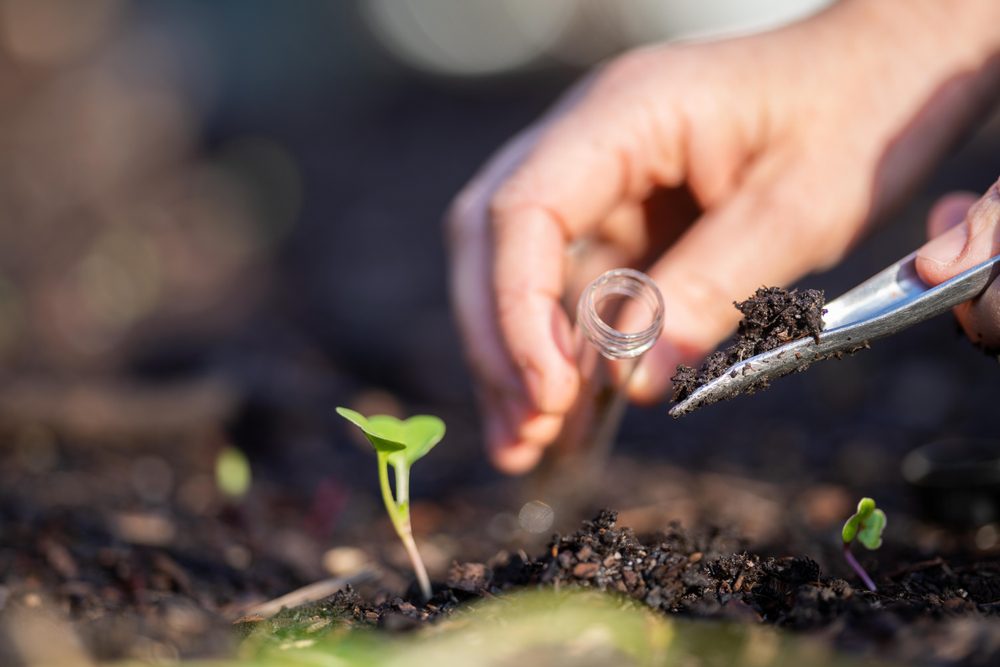
To find out if your houseplant is thirsty, and it’s the best way to do it, just push your finger down into the soil one or two inches before you water. If it feels wet at that level, don’t water the plant, even if the very top of the soil is dry – the soil underneath is often still moist enough. But, if the soil is dry when you check an inch or two down, your plant can have a drink. Doing this every time is a much better way to avoid both too much and too little water than using anything automatic, a moisture meter, or just going by the calendar.
Moisture meters can be helpful to have around, but they aren’t as good as using your finger. Cheap, older-style moisture meters are famous for being wrong, frequently saying the soil is wet when it’s in fact quite dry. Digital ones are better, but they’ll still need to be adjusted and you should now and then check the soil with your finger to make sure the meter is correct.
How to Water Thoroughly
If your houseplant is thirsty, water it slowly, letting the water run out of the drainage holes. This gets water to all the roots, even the lowest ones at the bottom of the pot. If you only water the very top of the soil, perhaps an inch or two down, the roots will stay near the surface. They won’t go deeper into the pot and this makes for a weaker root system, which will dry out easily and is more likely to be damaged by being too wet. You should get rid of any water that builds up in the tray under the pot in under half an hour, because letting the pot sit in water will cause the roots to rot.
Adjusting for Seasonal Changes
Because of less daylight and weaker light in autumn and winter, most plants you have inside will naturally grow less. Since they aren’t growing as much, they won’t use as much water, so you’ll likely need to water them much less often, typically 30 to 50% less than in spring and summer. Watering as often as you did in the summer during the winter is a big reason indoor plants get root rot. But when spring comes and the days get longer, plants start growing strongly again and need more water. Instead of sticking to a set calendar for watering, it’s better to see how quickly the soil dries out between waterings; this way you’ll water at a rate that matches what the plant really wants at any time of the year.
Key Takeaway
Instead of watering houseplants on a set day, you should always check how wet the soil is first. Poking your finger an inch or two into the soil is the best way to find out if it needs a drink. While you are watering, do it slowly and let water flow out of the drainage holes at the bottom; this will get all the roots thoroughly wet. Then, within half an hour, pour out any water that collects in the tray under the pot, or it could lead to root rot. As plants grow more slowly and don’t use as much water in the darker, winter months, you should water them only about 30 to 50 percent as often.