12 Houseplants That Thrive in Low Light-Even in Rooms Without Windows
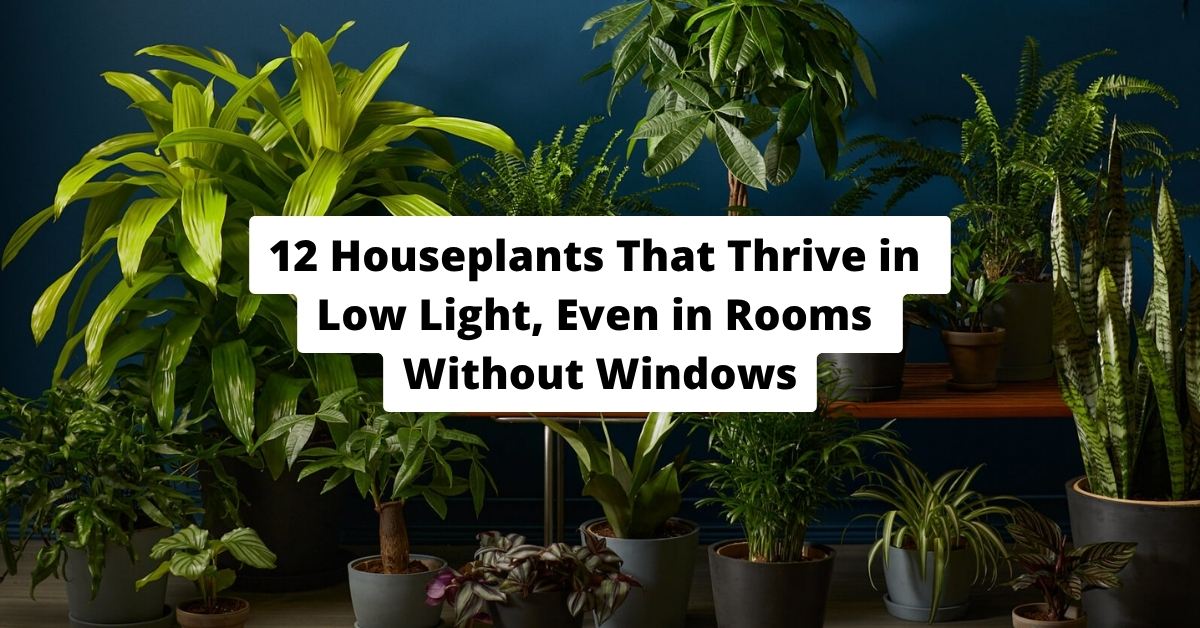
Many people think they’re not able to keep houseplants alive because they don’t get enough light. Rooms that face north, flats in basements, offices away from exterior walls, and bathrooms lacking windows are all difficult for most houseplants to live in. In fact, most of the houseplants we often choose won’t do well in them. However, some plants originally grew on the forest floor or under the dense shade of trees in the tropics, and they’ve changed over time to live and even do well with very little light. These are the plants that will allow you to have something green and living in rooms that almost all other plants would find impossible to survive in.
When experts at gardens and plant places talk about “low light” for houseplants, they mean 50 to 250 foot-candles. This is about the amount of light you get four to eight feet from a north-facing window, or in a room with no direct sun but with light from a ceiling fixture. The plants listed below can not only survive in this amount of light, but will happily and beautifully grow for a long time. Sunlight-loving plants would get sick and weaken within weeks in the same conditions.
1. Pothos (Epipremnum aureum)
Most people say pothos are the easiest houseplants to keep alive. They deal with pretty much anything – low light, forgetting to water them regularly, temperatures going up and down, and just general being left alone, all of which would be fatal to many other plants. If they aren’t getting much light, pothos will grow all green leaves instead of the mixes of colours you see when they are in a brighter spot, but they’ll still be fine and keep on growing. You can have pothos growing down from a high shelf, up a mossy stick, or spilling out of a basket that hangs from the ceiling, so they fit with almost any room style.
2. Snake Plant (Sansevieria trifasciata)
Snake plants are right up there with the easiest houseplants to keep alive, and they do very well in low light. Their thick, standing leaves hold onto water really well, so you can easily forget about watering them for weeks, and that’s good because low light causes them to grow slowly anyway. They’re not bothered by many temperatures and hardly ever get pests, meaning they pretty much look after themselves in darker rooms.
3. ZZ Plant (Zamioculcas zamiifolia)
ZZ plants are able to live with almost no care for many months. This is because their thick, wax-covered leaves and fat, root-like stems under the soil are excellent at holding onto water and energy. When they don’t get much light, they’ll barely grow, maybe only producing a stem or two during the year. Even so, their leaves will remain shiny and healthy for a very long time. What’s more, ZZ plants are among the fairly small number of houseplants that happily put up with only the fluorescent lights you usually find in offices that don’t have windows.
4. Cast Iron Plant (Aspidistra elatior)
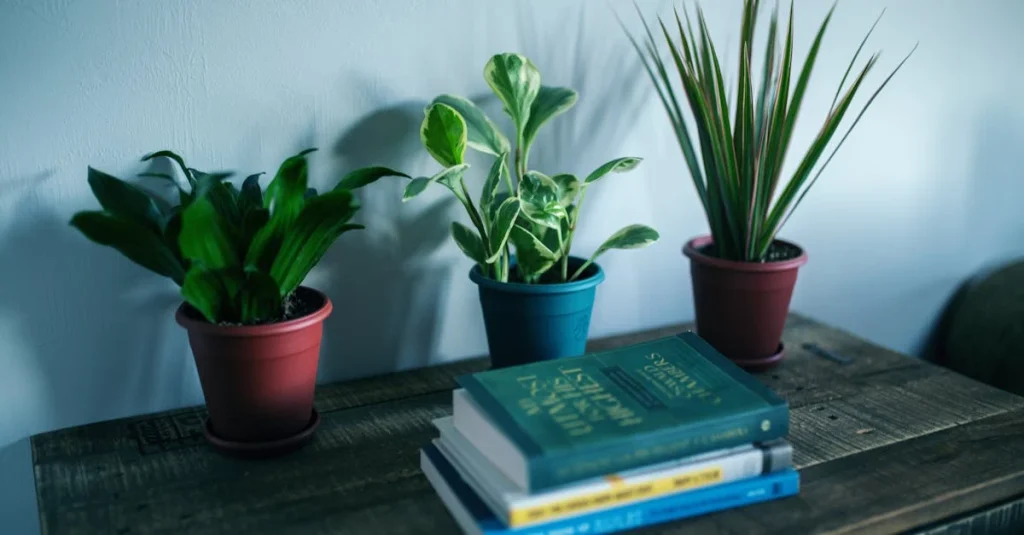
People call the cast iron plant ‘cast iron’ because it’s unbelievably tough. It originally comes from the very shady forests of Japan and Taiwan and is amazingly able to handle poor light, not being watered on a schedule, changes in temperature, and very dry air – basically the usual winter situation in most of our houses! It doesn’t get much bigger in a hurry, but its large, dark green leaves make a lovely, strong look in darker hallways or corners of a room.
5. Peace Lily (Spathiphyllum)
Peace lilies are among the not very many flowering plants you can count on to bloom even when they don’t get much light. They do get more blooms with brighter conditions, but even in a fairly dark room, peace lilies will still put out those white spathes from time to time. Their shiny, dark green leaves look good all the time, plus they really let you know when they’re thirsty. They get very droopy when they’re drying out, but they bounce right back to life after you water them, so you don’t have to be perfect about remembering to water them.
6. Chinese Evergreen (Aglaonema)
There are loads of different kinds of Aglaonama, and their leaves have really noticeable patterns in shades of silver, pink, red, and cream all set against a dark green. Even though they look colourful, most of them will happily manage in quite low or average light and won’t lose those striking colours. They don’t grow quickly, so you’ll hardly ever have to get them into a bigger pot, they’re not bothered by the dry air we get inside, and most houseplant bugs leave them alone. Because of all these things, they’re unbelievably easy to look after in rooms that aren’t very bright.
7. Philodendron (Heartleaf Variety)
The heartleaf philodendron (Philodendron hederaceum) is a plant that trails as it grows and is pretty easy to look after, just like a pothos. However, its leaves are noticeably different; they’re heart shaped, a deep green and have a bit of a shine to them. It does really well in dim light, and you can more or less ignore it, so if you have lots of plants that like the shade and want something different, it’s a great choice.
8. Dracaena (Multiple Species)
Lots of Dracaena varieties, for instance the dragon tree (D. marginata), the corn plant (D. fragrans), and what used to be called Sansevieria and is now D. trifasciata, are happy in quite low light. They’re quite striking in appearance and add height, a vertical element to rooms that don’t get much light, and most tall plants would simply not do well in those places. Dracaenas are a bit bothered by fluoride which is in normal tap water, and this makes the ends of their leaves turn brown. You can stop this from happening, though it’s only how they look that’s affected, by using water that’s been filtered or distilled.
9. Parlor Palm (Chamaedorea elegans)
People have had parlor palms as houseplants all the way back to Victorian times; they used to brighten up the dark rooms (parlors) from which the palm gets its popular name. Most palms won’t do well inside because they need bright light and moist air, but these ones are small, don’t grow fast, and can handle both poor light and a lack of humidity. When fully grown, a parlor palm is three or four feet tall and adds a bit of the tropics to any area, from a tiny flat to a huge workplace.
10. Prayer Plant (Maranta leuconeura)
Prayer plants get their name because their leaves fold up at night, looking like praying hands. Their leaves have complicated designs, with reds, pinks or silver veins showing up against the dark green and they are really beautiful to look at in rooms that don’t get much light. These plants like the soil to be kept damp (but not swimming in water), and they thrive in humid conditions, so bathrooms and kitchens with little sun are perfect for them.
11. Spider Plant (Chlorophytum comosum)
Spider plants are really tough and get used to lots of different situations, and they’ll do well in all sorts of light, from fairly bright but not direct sun to quite dark. You’ll get more of those little “babies” (the plants on the stems that hang down) if they’re in a brighter place, but the main plant’s leaves will still be nice and green even if it isn’t. Plus, NASA’s Clean Air Study showed spider plants are excellent at cleaning the air in your house, which is a nice extra when you’re inside.
12. Calathea (Multiple Species)
People really love calatheas because of their amazingly decorated leaves which have stripes, spots and blocks of colour in green, purple, pink, silver or a mixture of these. Calatheas as they grow in the deepest shade on rainforest floors are already used to the low light levels you get inside our homes. They are a little fussy compared to other plants on this list and you need to be steady with both how much moisture they have and how often you water them. However, when it comes to looking good in a darker room, no other plant that does well in the shade comes anywhere near them.
Key Takeaway
You can absolutely still have thriving houseplants even if you don’t get much sun. Plants like pothos, snake plants, ZZ plants, cast iron plants, peace lilies, Chinese evergreens, heartleaf philodendrons, dracaenas, parlor palms, prayer plants, spider plants and calatheas originally grew in shady spots and will continue to grow nicely and look good in rooms that aren’t very bright. To really make it work in a darker room, choose plants for how much light you do have and water them less often, because they’ll grow more slowly in the dimness.