How to Succession Plant for a Continuous Harvest That Lasts All Season
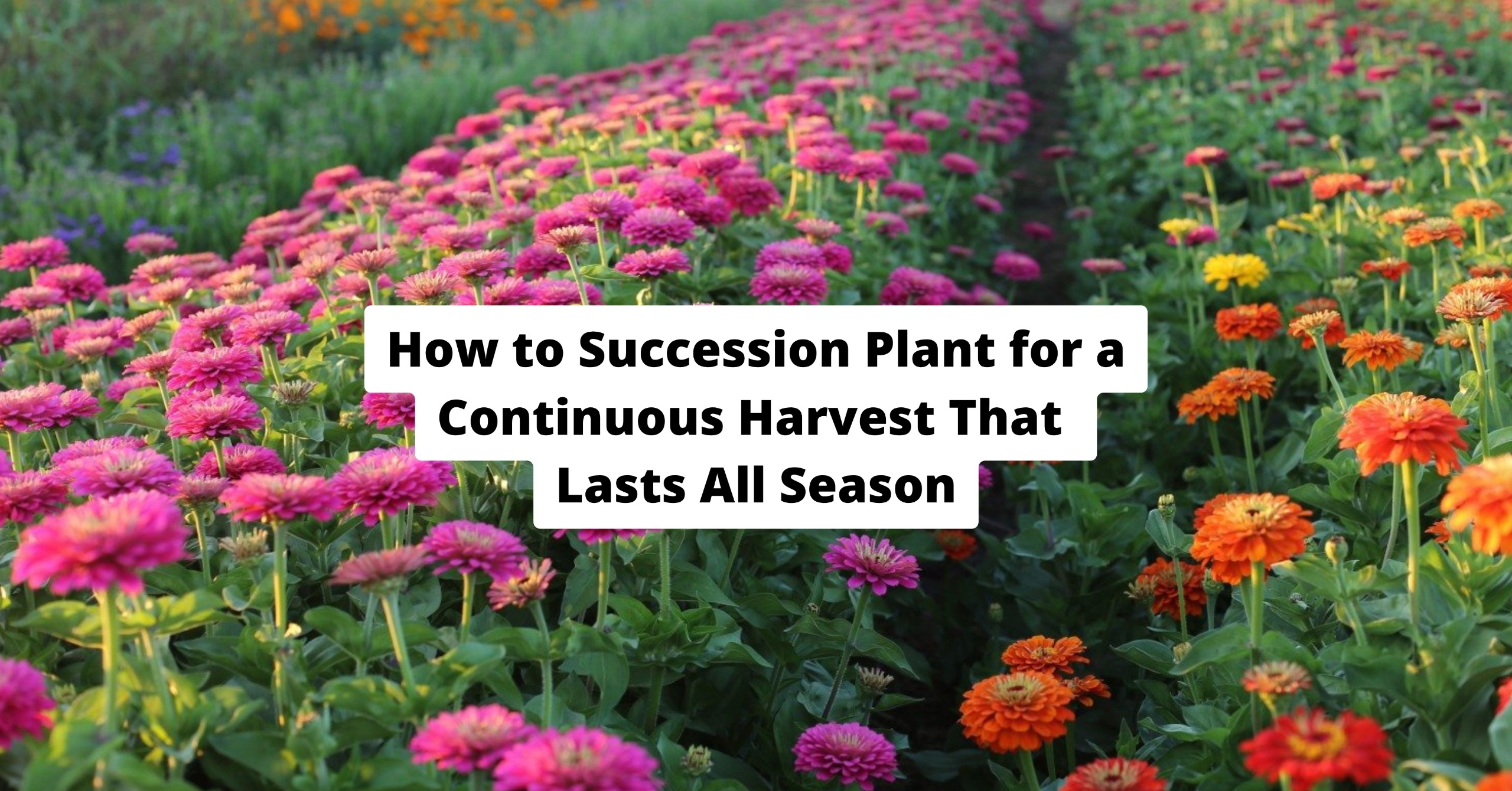
Lots of people new to gardening get everything in the ground in the springtime, have a big harvest in a couple of months, and then find the garden starts to go downhill as the plants stop giving vegetables; this means a lot of the time when things could be growing is wasted. Succession planting solves this boom and bust problem. It’s all about sowing the same thing repeatedly, with a set amount of time between each sowing during the whole season, so you continually have things ready to pick. Rather than thirty lettuces all at once (a lot more than most families can use before the lettuce starts to flower) with succession planting you’d get six lettuces every two weeks for many months. This provides a nice, reasonable amount of food, minimizes waste, and lets you harvest from spring until autumn.
The Basic Principle: Stagger Plantings by Time
Lots of people new to gardening get everything in the ground in the springtime, have a big harvest in a couple of months, and then find the garden starts to go downhill as the plants stop giving vegetables; this means a lot of the time when things could be growing is wasted. Succession planting solves this boom and bust problem. It’s all about sowing the same thing repeatedly, with a set amount of time between each sowing during the whole season, so you continually have things ready to pick. Rather than thirty lettuces all at once (a lot more than most families can use before the lettuce starts to flower) with succession planting you’d get six lettuces every two weeks for many months. This provides a nice, reasonable amount of food, minimizes waste, and lets you harvest from spring until autumn.
Replanting After Harvest: The Second Form
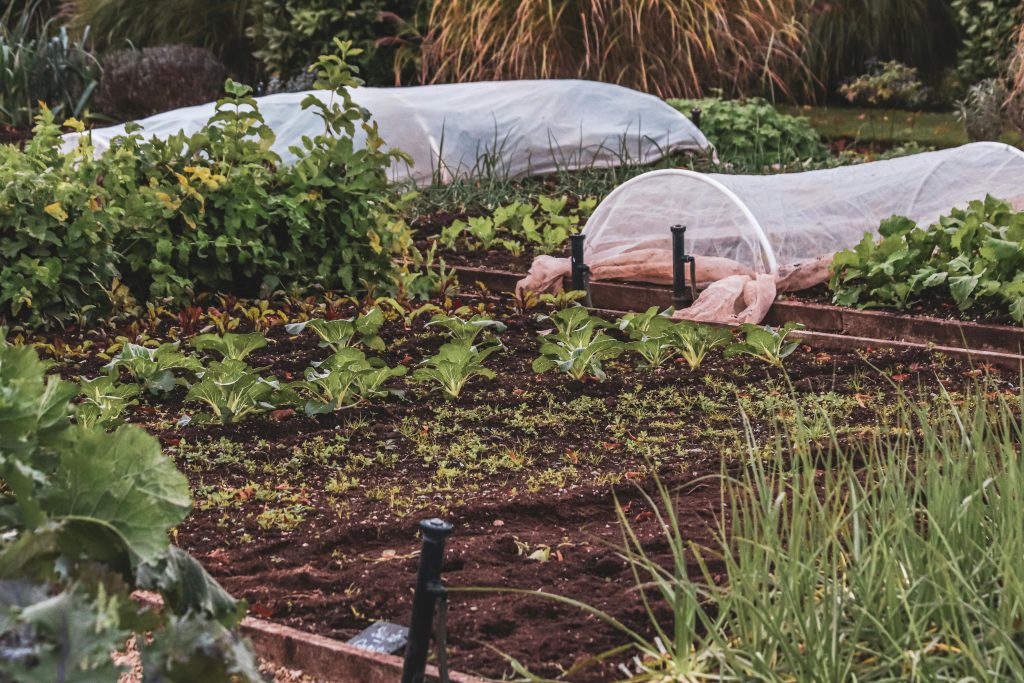
With the second way of succession planting, you simply follow one crop with another once the first is done. For instance, as soon as you’ve picked all the spring peas and taken out their plants in June, you can put in a crop that likes heat, such as bush beans or cucumbers, right in the same spot. And then when those are finished for the year in September, you can fill the bed with fall spinach or lettuce. This method is occasionally referred to as relay planting and it really gets the most out of all your garden area by stopping any patch of ground being unused during the time things are growing. If you think about these swaps ahead of time, preferably even before the gardening year starts, you won’t have empty beds sitting around for ages while you work out what to do with them.
Choosing the Right Crops and Intervals
Some plants are better suited for succession planting than others. Things that grow and are ready to harvest quickly are ideal; you can sow lettuce every two weeks, radishes every two weeks, arugula every two to three weeks, bush beans every three weeks, cilantro every three weeks, and carrots every three or four weeks. Plants like tomatoes, peppers, squash, and cucumbers will give you produce for months from just one planting, so they don’t need succession planting. Corn, though, only makes a ear or two on each plant, and if you sow it every three weeks you’ll have a more manageable amount to pick each time instead of a huge pile all at once.
How to Calculate the Last Succession Planting
Figuring out when to finish with succession planting is just as key as understanding when to begin. You can work out the very latest you can plant any crop by taking the number of days it takes to grow to harvest and subtracting that from when you expect the first frost in autumn. Then, because things grow more slowly in late summer and early fall, add on an extra two weeks to be safe. So if you have a lettuce which is ready in 45 days and your first frost is October 15th, you could plant it up to around mid-August (October 15th, minus 45 days, minus that 14 day buffer gives you roughly August 17th). If you write down the dates of your frosts, along with how long each of your succession crops needs to mature, you’ll be able to plan all your planting for the whole year before you plant your first seed.

Key Takeaway
Instead of getting all of something at once then nothing at all, succession planting gets rid of that ‘boom and bust’ way of harvesting. You do this by planting the very same thing every two or three weeks all during the growing season. Things that grow quickly, such as lettuce, radishes, beans, cilantro, are perfect for this. If you take out a crop as soon as it’s done and put something else in its place (this is also called relay planting), you get the most from each part of your garden. And to be sure all of your successions are ready to pick before it gets too cold, you’ll work out the last date you can plant, based on when the first frost is expected and how long the crop needs to grow.