

Most gardeners growing lettuce, herbs, or things like carrots have at some point had a plant suddenly change its plans. Instead of continuing to make the leaves, roots or stems you’re actually hoping for, it shoots up a long flower stem, and it often feels like this happens in just one night. Once a plant starts to bolt, the bits we eat normally become hard, bitter, or stringy, and because of that, many gardeners think of it as a complete disaster. However, scientists who study plants say bolting isn’t a sickness, or something the plant is missing, or something gone wrong – it’s a completely normal part of how the plant grows and lives, and it’s set off by particular things in its surroundings.
If you know what causes bolting and which plants do it most easily, you can hold it off with easy gardening tricks. And sometimes, letting a plant bolt can actually be surprisingly helpful in the garden.
What Triggers Bolting in Vegetable Gardens
Bolting is what happens when a plant changes from just making leaves and roots to getting ready to reproduce with flowers and seeds. It’s mostly started by how long the days are and the temperature, so the plant gets the message that its time to grow is almost over. For lettuce, spinach, cilantro, radishes and other plants which do well in cooler weather, they bolt as days get longer and it warms up in spring and into summer. When it’s more or less over 75 or 80 degrees for many days in a row, and the day is over 14 hours long, these plants get the message from inside them to flower and make seeds as quickly as they can to finish their lives.
Which Crops Are Most Likely to Bolt
The leafy greens that like cooler weather are the vegetable garden plants most likely to ‘bolt’ (go to seed). Lettuce, spinach, arugula, cilantro, bok choy will bolt within just a few days if we get a hot spell. Radishes, beets, carrots, turnips, which are root vegetables, also bolt when the temperature goes up and down a lot or if it’s warm for a long time, although it usually takes them a bit longer. Onions, leeks, celery, and parsley are plants that are meant to grow for two years and usually bolt in their second year, but if there’s a cold spell and then warm weather, they can be fooled into bolting in their first year, and this is called vernalization.
Strategies to Delay Bolting
You can’t completely stop bolting, it’s in a plant’s genes and happens because of the weather, but you can certainly slow it down in a number of ways. If you get ‘crops that easily bolt’ in the ground as early as you can in the spring, they’ll benefit from the cooler temperatures and shorter days, and those conditions discourage them from flowering. What’s more, you can select varieties of those plants which are bred to be ‘bolt-resistant’ or ‘slow to bolt’ and this will give you a longer time to harvest. Reducing the amount of heat they get is helpful, so using shade cloth or putting them near taller plants for afternoon shade will do the trick. Also, water them regularly, as when they are dry they’re much more likely to bolt, and nearly all plants that are likely to bolt will be quicker to do so if they’re short of water.
The Surprising Benefits of Letting Plants Bolt
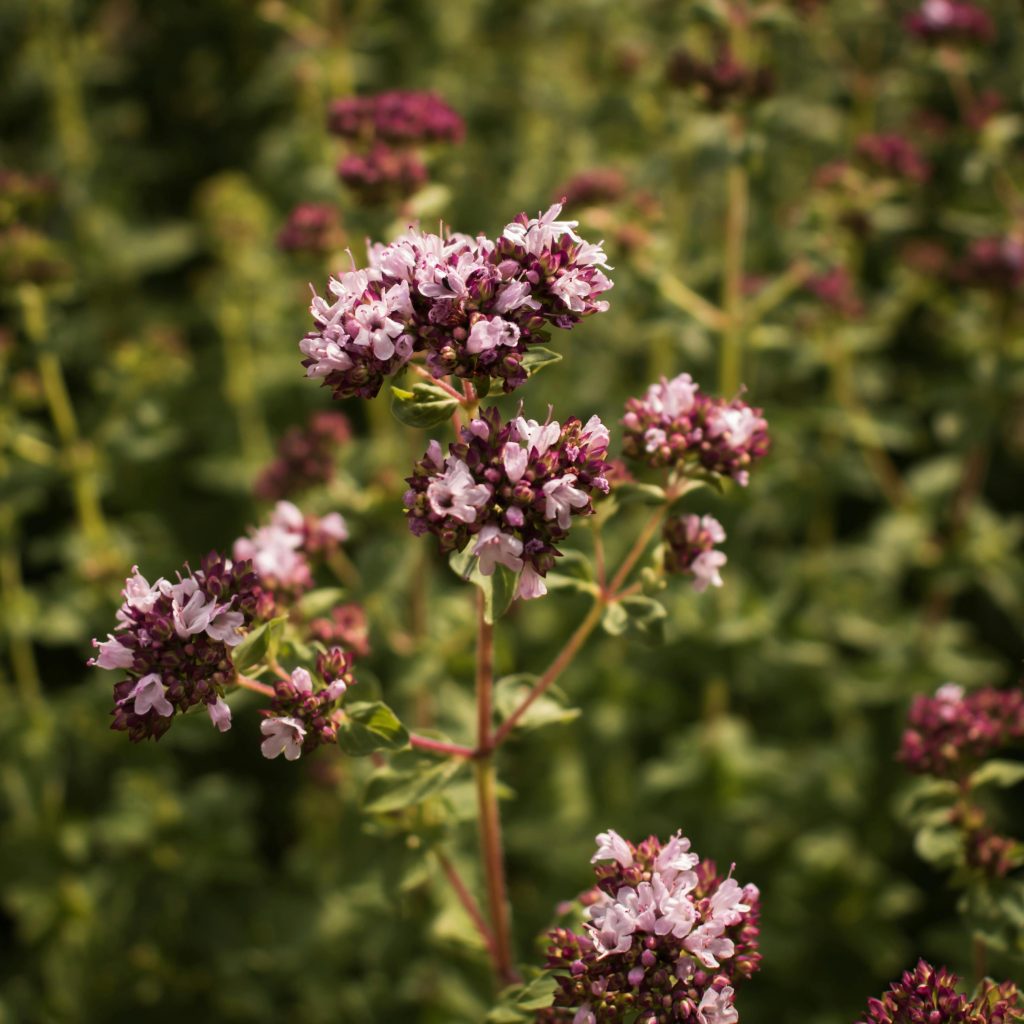
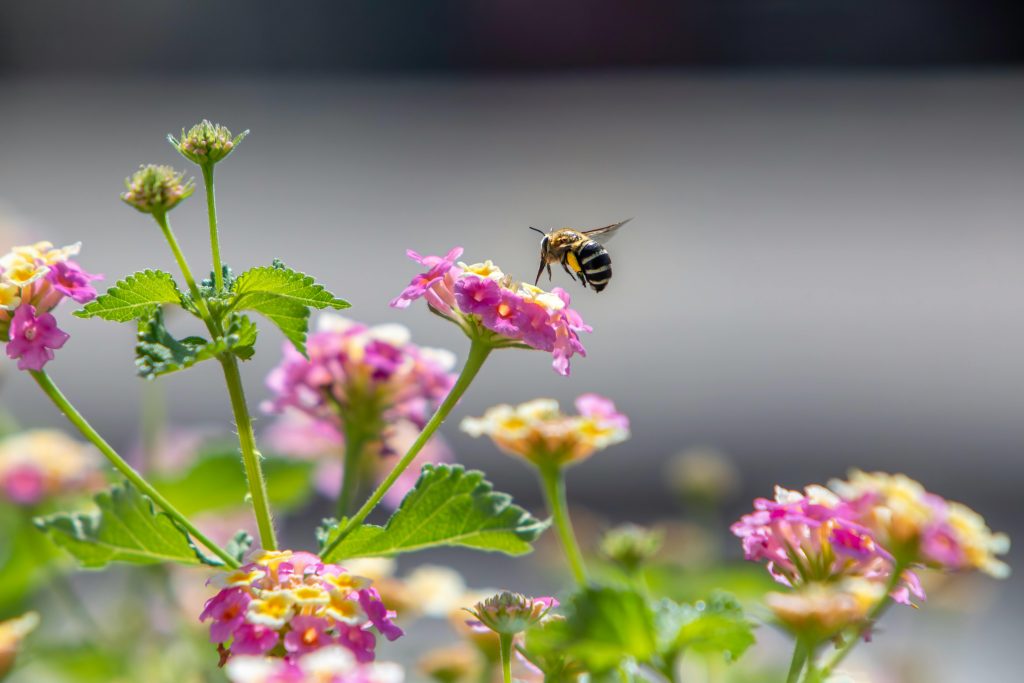
Gardeners who have been at this a while will often encourage plants to ‘bolt’ (go to seed) instead of trying to stop it. When plants bolt they flower and these flowers draw in pollinators, and the good bugs that help your garden. Lots of parasitic wasps, hoverflies, and ladybugs especially like cilantro flowers, and they all eat the kinds of pests that usually bother things like your aphids. Dill, fennel, and parsley flowers do the same kind of work. If you let some plants flower and make seeds, you also get seeds for planting next year, at no cost to you. A single bolted lettuce plant, for instance, can create thousands of seeds, plenty for you and to give to your neighbors for many years to come.
Key Takeaway
When plants ‘bolt’ (go to seed) because of the warmth and longer days, that’s perfectly normal; it doesn’t mean you’ve done anything wrong. Lettuce, spinach, cilantro, radishes, and other crops that do well in cool weather are the ones most likely to do this. You can slow down the process by planting early, selecting types of plants bred to be slower to bolt, giving them shade in the afternoon, and doing lots of succession plantings (planting a bit at a time). If they do bolt and flower, though, those flowers are good for bees and other pollinators, and you’ll get seeds to use for planting next year, so even a plant that seems to have finished producing can actually be a benefit for the future.
Leave a Reply