How to Perform a Simple Jar Test to Determine Soil Type at Home
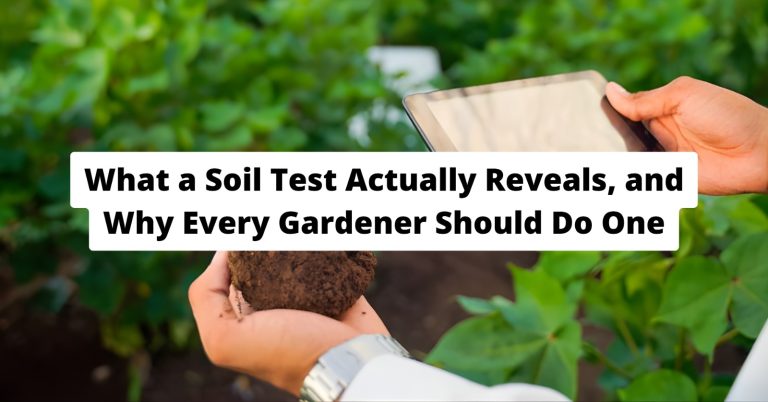
Knowing if your garden soil is mainly sand, silt, or clay is helpful for all gardeners. This is because it has a big effect on how often you’ll need to water, how well the soil drains, what you should add to it to improve it, and which plants will grow well. Soil texture can be tested by professionals at agricultural extension labs, but you can get a pretty good idea of what you have yourself with only a clean glass jar, water and some earth from the garden. Soil experts (who use what they call the sedimentation method) use this easy jar technique to divide the soil into its different parts by how heavy they are, and it shows you the makeup of your soil.
How the Jar Test Works
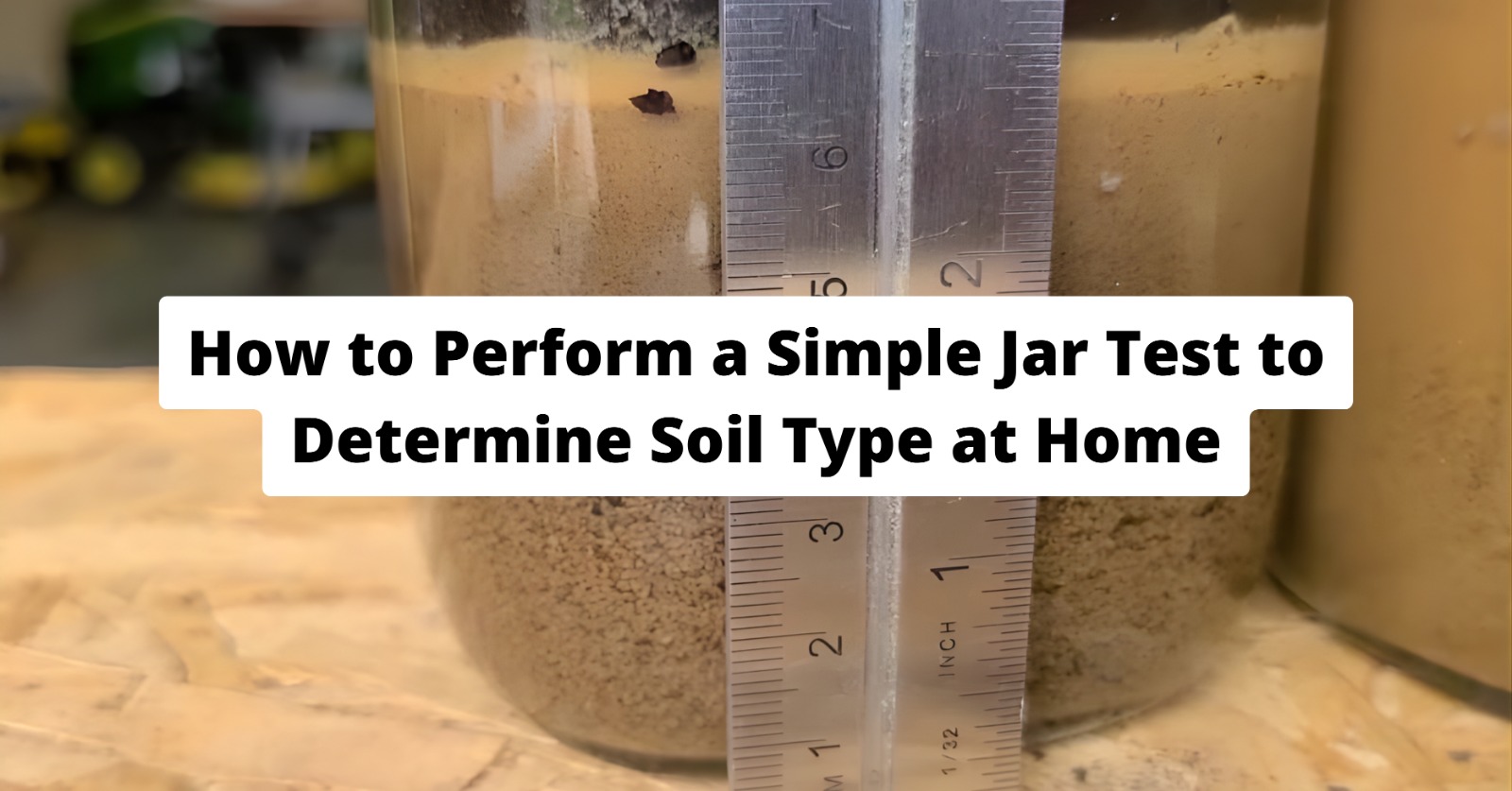
Larger and heavier bits of stuff in water drop to the bottom more quickly than little, light bits do. Sand grains (being between 0.05 and 2.0 millimeters across) are the biggest and heaviest, silt (from 0.002 to 0.05 millimeters) is in the middle, and clay (less than 0.002 millimeters) is the smallest and lightest of the three. If you shake a soil sample with water and then leave it to sit for 24 to 48 hours, these three types of particles will divide into separate layers you can see in the jar. Sand will be at the bottom, silt will be in the middle, and clay will float on top.
Step-by-Step Instructions
To start, get a soil sample from your garden that’s typical of the area. Take about a cup of soil from six to eight inches down, and get rid of any stones, roots, or large bits of decaying leaves and plants. Pour this soil into a clear glass jar (a mason jar is ideal) to about one-third of the way up. Then almost fill the jar with water, leaving a space of about an inch at the top. Put in a tablespoon of liquid dish soap (this helps to separate the soil into its parts) and close the lid very firmly. Now shake the jar really well for three to five minutes. You need to get all of the soil floating in the water, and the result should be a fairly even, chocolate milk colored liquid with nothing stuck in clumps.
Put the jar on a flat, undisturbed surface. After one or two minutes, make a mark on the outside of the jar where the soil settles. That’s the sand. Leave it for two hours, and then mark the soil level again. The stuff that’s fallen on top of the sand to this second mark is the silt. Then, for another 24-48 hours, let the water get relatively clear. On top of the silt, a thin layer will appear; this is the clay. After 48 hours, the water above the clay might still look a little cloudy. This is fine, and it’s from the very smallest clay bits and substances from broken down plants and leaves.
Reading the Results
With a ruler, find the overall height of all the stuff that has sunk to the bottom and the height of each layer on its own. Then work out what percentage each part makes up. For example, if all the settled material is three inches deep and the sand part of it is one inch, then sand is about 33 percent of the total. Most garden soil isn’t at one of the three completely different types of texture. Loam, which is the best kind of soil for gardening, is approximately 40 percent sand, 40 percent silt, and 20 percent clay. Soil with a lot of sand (over 60 percent) lets water go through it rapidly, but doesn’t hold onto water or plant food very well. Clay soil (more than 40 percent clay) is good at keeping water and nutrients, but doesn’t let water drain and gets easily squashed. Once you have a general idea of the soil texture, gardeners can choose the right things to improve it. Compost (which is rotting plant matter) is useful for both sandy and clay soils. Sand will only help clay that is very very heavy. And, perlite or vermiculite can improve how well things in pots drain.
Key Takeaway
You can get a pretty good idea of whether your garden soil is mostly sand, mostly silt, or mostly clay for nothing and with very little effort. If you shake a bit of your soil in water and then let it sit undisturbed for a day or two, you’ll see distinct layers. The sand will be on the bottom, silt in the middle, and clay at the top and you can measure how thick each layer is to roughly work out the percentages of each. Knowing this helps you decide how often to water, what to mix into the soil to make it better, and how to manage how well it drains. Most vegetables do best in loam, which is about 40% sand, 40% silt, and 20% clay. And, really, you can improve the quality of any soil by regularly adding organic matter.