How to Save Seeds From This Year’s Garden for Planting Next Season
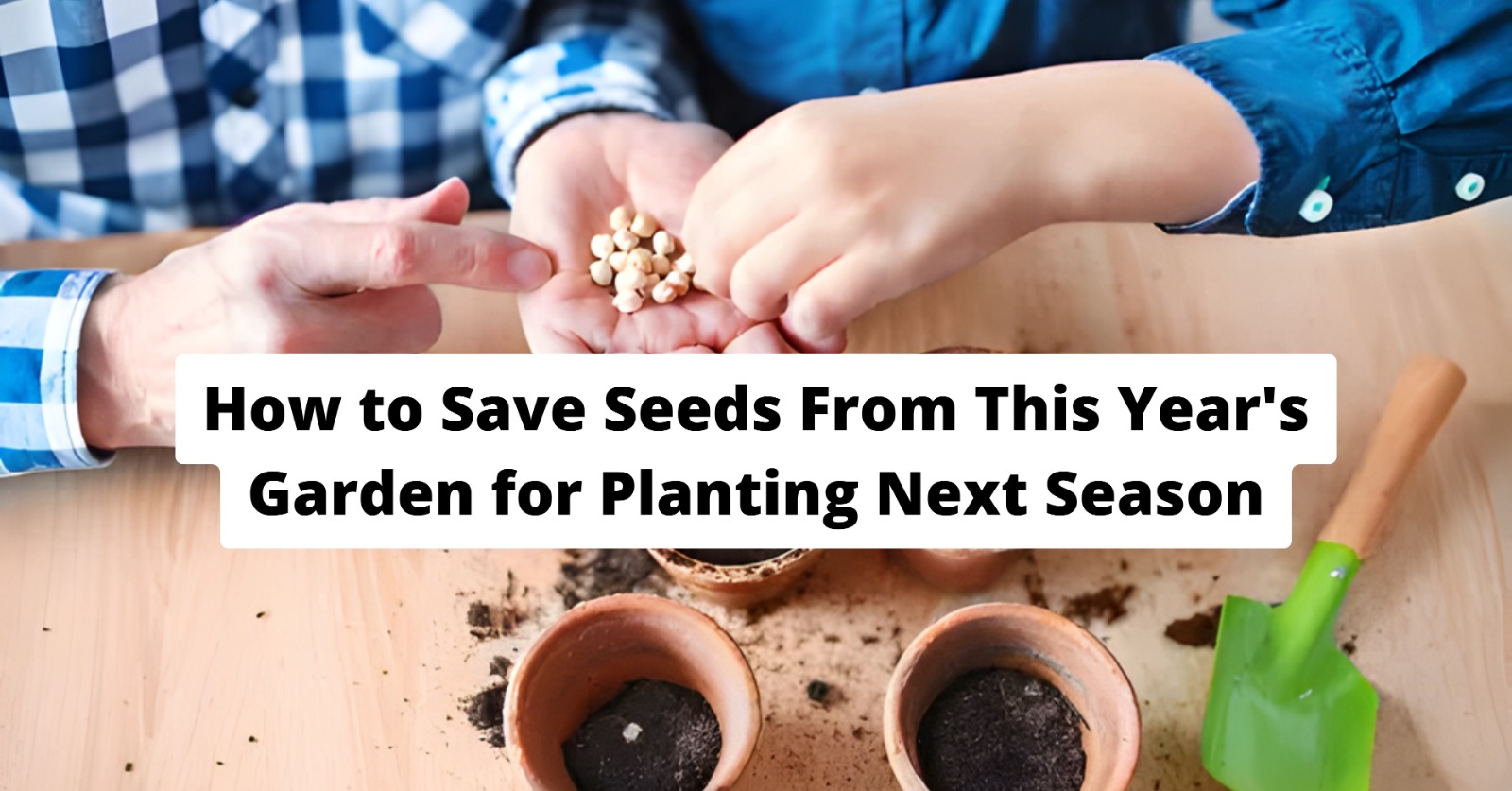
For as long as people have farmed, they’ve kept seeds, and it’s a really useful thing for today’s gardeners to know how to do. From any open-pollinated or heirloom vegetable, herb, or flower in your garden you can gather, dry, and put away seeds to use next year. With each generation, these seeds will become adjusted to how things grow where you are, by natural selection, and so the plants will slowly be more and more at home in your particular climate, soil, and with the bugs and other problems in your own garden. And you’ll save a good amount of money; one tomato plant can make enough good seeds to give to all your neighbours and still have some left for many years to come.
You don’t need any fancy tools or to be a brilliant plant expert to save seeds. Just learn which plants will grow ‘true to type’ from seed, when to pick the seeds, and how to deal with them and store them properly. With that, you can build up your own collection of seeds that will mean you won’t have to buy a lot of ordinary sorts of plants every year.
Which Seeds Are Worth Saving
The big difference when keeping seeds is between open-pollinated types and hybrids. Open-pollinated plants, and all heirlooms are in this group, will give you seeds that grow into plants that are pretty much the same as the original plant. So, if you save seeds from a Brandywine tomato, you’ll get Brandywine tomatoes. Similarly, saving seeds from Kentucky Wonder pole beans will give you more Kentucky Wonder pole beans. Hybrid varieties, which have “F1” on the seed package, are created by crossing two different ‘parent’ plants. Seeds from these F1 hybrids will give you plants that are a surprise and may not be like the original in how big they grow, how they taste, how much they produce or how they resist illness. You’ll get much more predictable results if you only save seeds from open-pollinated and heirloom types.
Saving seeds from plants that pollinate themselves is easiest, as it’s unlikely different types will mix. Tomatoes, peppers, beans, peas, and lettuce are all mostly self-pollinating. This means seeds from these will nearly always grow the same as the parent, even if other types of the same kind of plant are nearby. But, plants that easily cross-pollinate – squash, corn, beets, and most of the brassicas (like cabbage and broccoli) – need to be kept a distance apart or you have to manually pollinate them to stop different types from mixing and getting you something you didn’t intend.
Harvesting Seeds at the Right Time
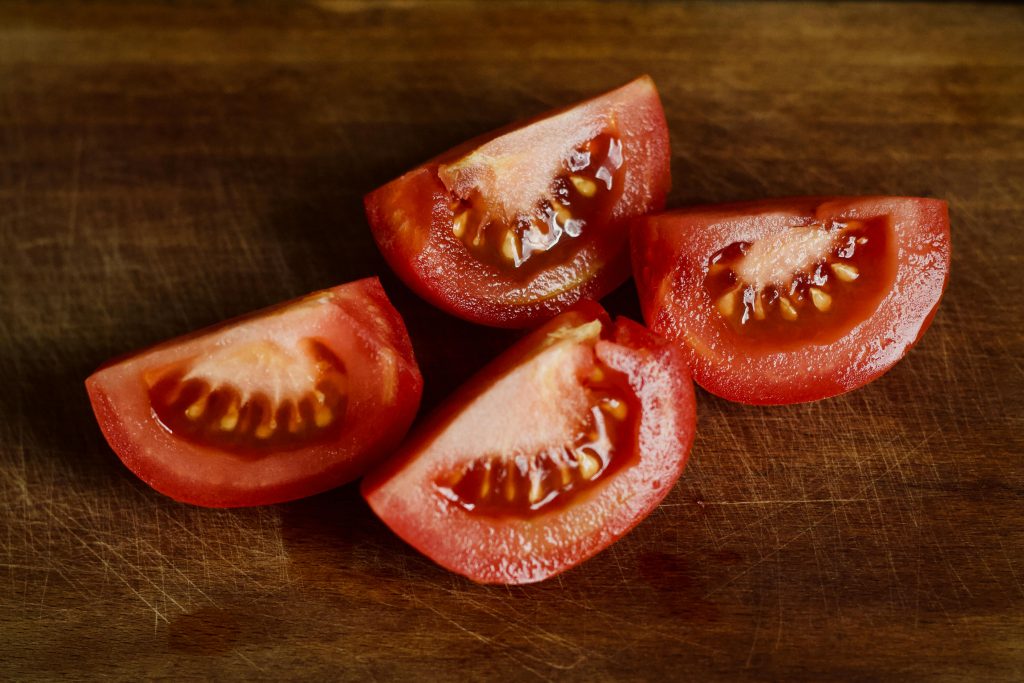
You can’t get seeds to sprout if they aren’t completely grown, and it doesn’t matter how well you keep them. With crops that have dry seeds like beans, peas, lettuce and many flowers, you know they’re ready when the seed holders on the plant are brown, dry and feel like paper. Ideally, leave those holders on the plant until they are starting to split open by themselves, then put them in paper bags or envelopes to collect them. For “wet” seeded things like tomatoes and peppers, you get the seeds from fully ripe fruit, or even fruit that is past its best. In fact, the seeds inside continue to mature after the fruit has its best taste, so letting the fruit get a little too ripe is a good idea.
Processing and Drying Seeds
You don’t need to do much to get seeds from dry things like beans, peas, flowers, and herbs. After the pods are really, really dry you can get the seeds out with your hands, by shaking the pods around in a bag, or by carefully crushing the pods and then tossing the bits between two containers in a light wind to blow away the dry stuff. Seeds from wet plants like tomatoes, cucumbers and squash are a little different; they need a fermentation step to get rid of the jelly-like coating that would stop them from sprouting. You put the seeds and all the gooey stuff around them into a jar with only a little water, cover it loosely and leave it at room temperature for two or three days. In those days, good bacteria break down the jelly and get rid of many diseases that the seeds might be carrying. Once they’ve fermented, the seeds that will grow fall to the bottom and the bits of rubbish and seeds that won’t grow float on top. Then you wash the good seeds, get rid of the water and spread them on a plate or a sieve to dry fully which will take from a week to a fortnight in a warm spot with air moving around.
Storing Seeds for Maximum Viability
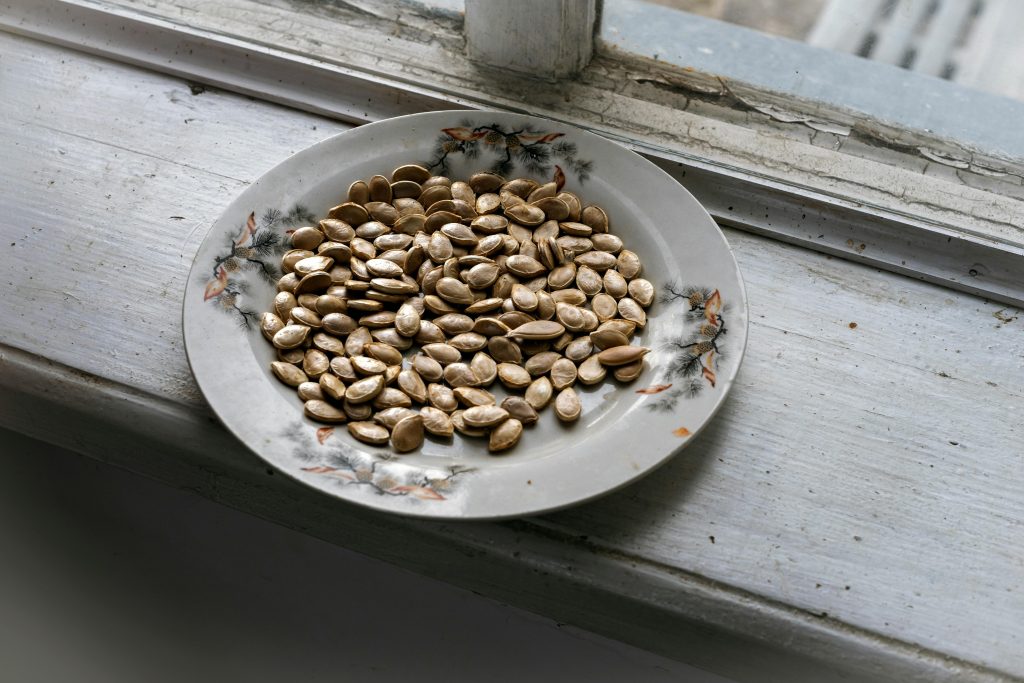
To keep them in good shape, fully dried seeds need to go in containers that get a complete seal. You could use little glass jars, plastic bags you can close and from which you’ve pushed out as much air as possible, or coin envelopes put inside a bigger container. They then need to be in a place that’s cool, dark and dry. Actually, keeping them in the fridge between 35 and 40 degrees Fahrenheit is best. This can make most seeds live and be able to grow for two or three times as long as if they were at room temperature. A little packet of silica gel desiccant inside each container will soak up any remaining water which might otherwise ruin the seeds over time. And don’t forget to clearly write the name of the variety, when you gathered the seeds, and anything you remember about how the original plant grew on each container – you’ll really appreciate having that information when it’s finally time to plant, perhaps many months later.
Key Takeaway
Keeping seeds from open-pollinated and heirloom plants is a really useful thing to learn to do. It will save you money, protect the variety of genes in plants, and over time give you seeds that work better and better in your own garden. Starting with plants that pollinate themselves – tomatoes, peppers, beans, lettuce – is the simplest. Collect the seeds when the fruits or pods are completely ripe, then get them ready for storing using the right method (drying or a wet process, depending on what you are saving from), making absolutely sure they are fully dried, and putting them in sealed containers in a dark, cool spot. If you do this, you’ll have a good number of seeds that will sprout next year, and for many years to come.