The Complete Guide to Growing Potatoes in Raised Beds for Maximum Yield
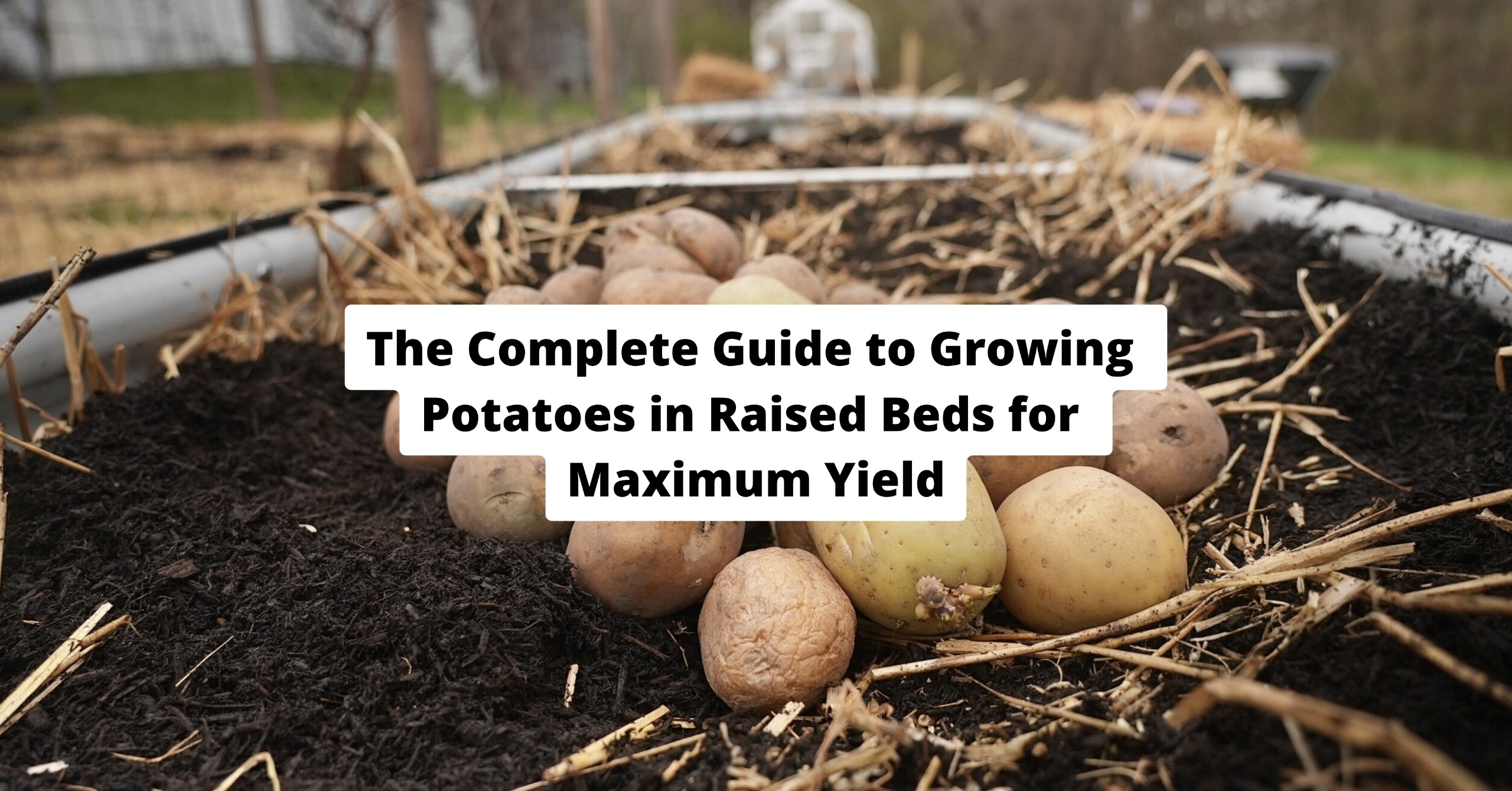
You can get a surprisingly large harvest of potatoes from a small area in your garden. In fact, with the best way of planting and building up soil around the stems, just one raised bed can yield between fifty and a hundred pounds of potatoes during the growing season. Raised beds are great for potatoes for a couple of reasons. They have the deep, uncompacted, good draining soil potatoes need to swell properly, and it’s much simpler to ‘hill’ (slowly cover with soil as they grow to get more potatoes) in a raised bed than it is with a typical garden patch.
Selecting Seed Potatoes
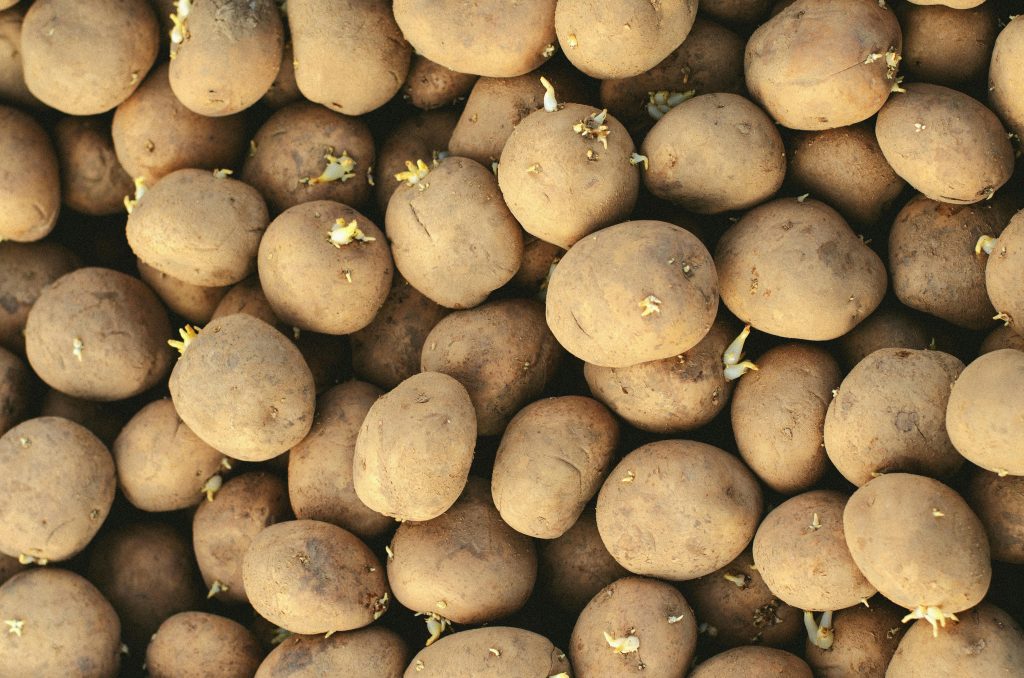
You grow potatoes from seed potatoes, which are either small whole potatoes or pieces of bigger potatoes. Each piece needs to have at least two “eyes”, the little dips where the new shoots come from. It’s best to get seed potatoes from a gardening shop, because potatoes from the supermarket are often treated to stop them sprouting and might have illnesses that stay in your garden soil for ages. Yukon Gold and Red Norland are types that are ready to harvest in 70 to 90 days if you plant them early in the year. Kennebec and All Blue are mid-season potatoes needing 90 to 110 days to grow. Russet Burbank and German Butterball are late in the season, taking 110 to 130 days, but generally give you the biggest amount of potatoes and the best ones for keeping.
Planting and the Hilling Technique
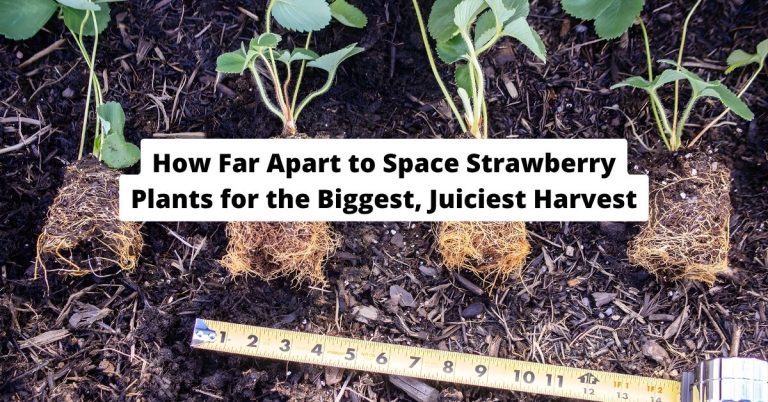
When you plant potatoes in a raised bed, put them in a ditch or separate holes that are between four and six inches deep and about a foot apart, making sure the ‘eyes’ are pointed up. You don’t have to fill the entire bed with soil when you first plant them; six to eight inches of soil is fine, as you’ll need space for ‘hilling’ later. Once the green leaves poke out of the ground and get to six or eight inches high, heap more soil, compost or straw around the stems so that just the top couple of inches of leaves are still showing. You’ll do this hilling up process two or three more times as the plants grow, and eventually the bed will be completely full of soil. Each time you add soil, you’re giving the potato plants more space underground for new potatoes to grow, and this is how you get a bigger crop.
Growing Conditions and Care
Potatoes do best when it’s not too warm, and soil between 60 and 70 degrees Fahrenheit gives you the most potatoes. They need a pretty steady amount of water, about an inch or two each week, but they absolutely won’t thrive if the ground is soaking wet; that causes the potatoes to rot. A raised bed with soil that drains well and lots of compost and perlite will generally stop this happening. A balanced, natural fertilizer at planting time and when you ‘hill’ the potatoes for the first time will give most types of potato all the food they require. Don’t use too much nitrogen, though. Too much makes a lot of leaves, but fewer and smaller potatoes. Gardeners often make this error, as they use the same fertilizer on potatoes as they do on tomatoes and other plants that are very hungry.
Harvesting and Curing
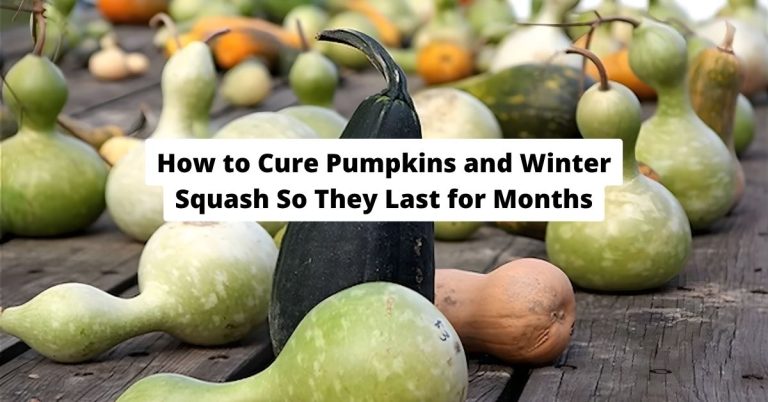
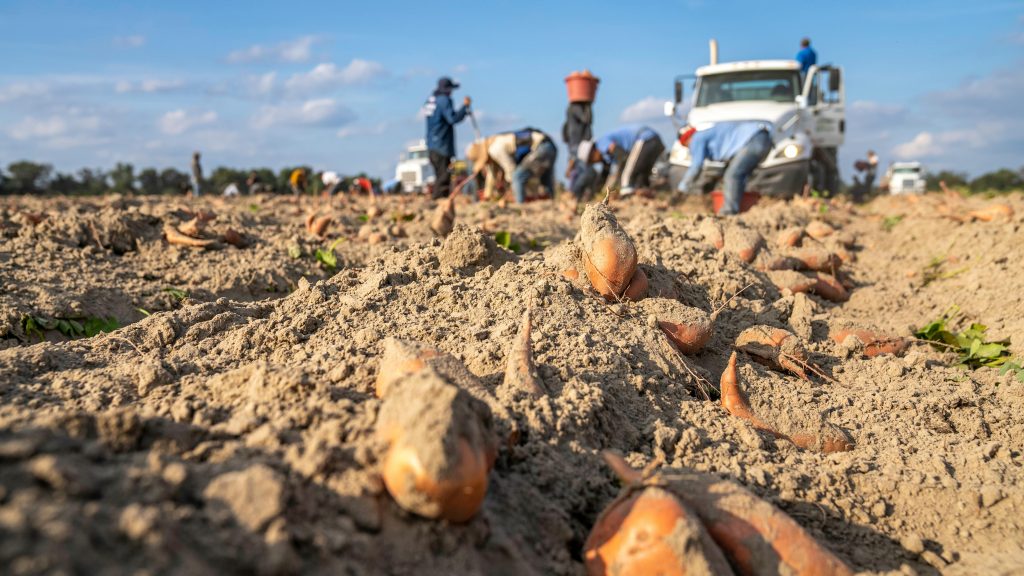
You can pull up potatoes early in the season as “new potatoes”, which are small potatoes with delicate skins that you get by digging them up whilst the potato plant is still green and has flowers, and eat them right away. To get a good size and to store them for later, though, let the plant continue growing until all the green leaves and stems turn yellow and die. Then, two or three weeks after the leaves have died, dig up the potatoes and ‘cure’ them. This means leaving them for one or two weeks in a place that is cool, dark and has plenty of air circulation. Curing makes the skins harder and any little injuries from digging repair themselves, and if you get the conditions right (between 40 and 50 degrees Fahrenheit, 85-90% of the air being moisture, and total darkness) they’ll last four to six months.
Key Takeaway
Potatoes do really well in raised beds. This is because they like soil that’s deep, easily dug, and doesn’t stay soggy, and raised beds also make ‘hilling’ (building up the soil around the plants) easier which gives you a much larger crop. For the best, highest quality potatoes to store, use seed potatoes that have been certified, and put them in the ground four to six inches deep. As the plants grow, cover the stems with soil two or three times, keep the soil evenly moist but not flooded, and let the leaves and stems turn brown and die back on their own before you dig them up. You can expect a 4 by 8 foot raised bed to give you a pretty good haul of between 50 and 100 pounds of potatoes in a single year.