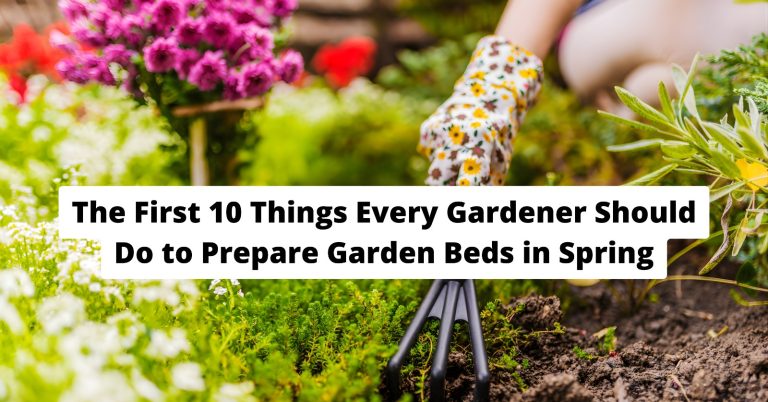
The First 10 Things Experienced Gardeners Do Every Spring Before Planting
That time from when the last really harsh freeze is over until you do your main planting is hugely important; it’s what makes the difference between a garden that does well and one that doesn’t. Gardeners who’ve been at it for a while use these three to six weeks (the length of time changes with where you are) to look for harm from the winter, fix things like fences or water lines, get the soil ready, and decide what you will grow. If you ignore doing all of that and just start putting plants in the ground, you’ll probably have issues that just get worse as the year goes on – soil that’s too heavy, a broken watering system, diseases that have survived the winter, and a confusing plan for what goes where, which will use up space unnecessarily and give you lots of headaches.
To set yourself up for a successful, easy season, here are ten things to do, and doing them in approximately this order is best.
1. Inspect and Repair Raised Beds and Garden Structures
The repeated freezing and thawing of winter, a lot of snow, and getting wet can all break or ruin the sides of raised beds, climbing frames for plants, fences, and cold frames (those little boxy greenhouses). If you look over all your garden structures for boards that are coming apart, metal bits that are rusty, posts that have moved, or anything that is structurally weak before you start gardening, you’ll stop things falling down in the middle of your growing. You can make shaky corners of raised beds more solid with L-shaped metal brackets or new screws. And if any wood is rotting, change it before the soil makes it rot even more.
2. Clean and Organize Tools and Supplies
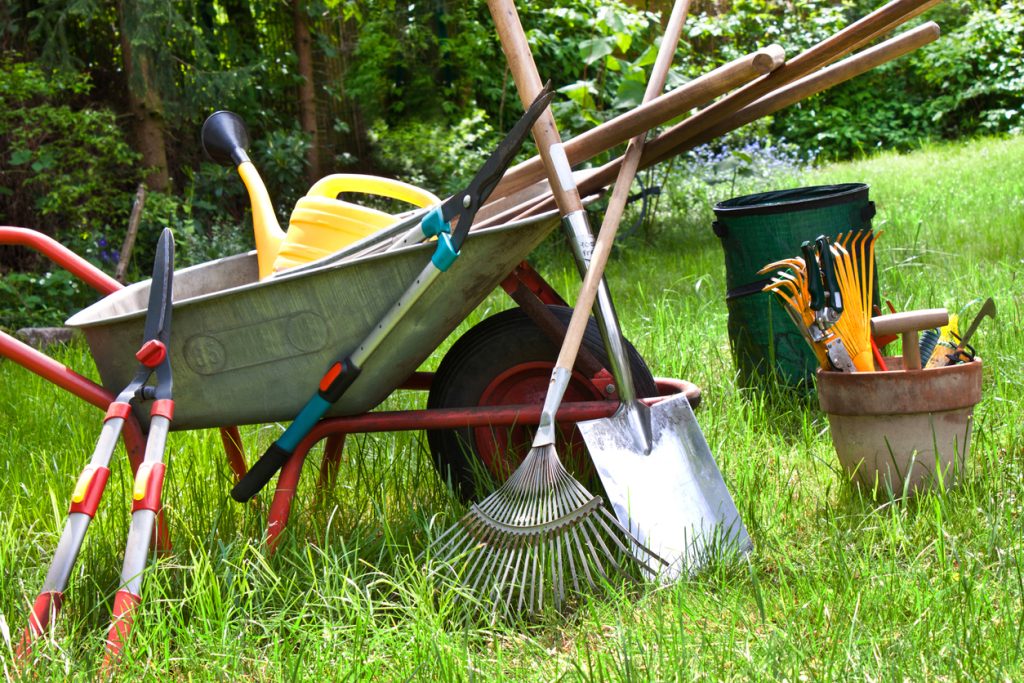
Your pruning shears, hoes, and shovels will be much better after a sharpening. Metal parts should get a coating of oil to stop rust, and wood will last longer if you oil the handles to stop them from cracking. Plus, give everything a general clean. It’s a good idea to look at your seeds, get them in order, and see if they’re still good to use, throwing out anything really old or if you’re not sure about them, and figuring out what more you’ll need. Finally, before you need to use it, check your watering system for any broken connectors, blocked sprayers, or broken pipes.
3. Remove Winter Mulch and Debris
As the weather gets warmer, slowly remove that layer of winter protection from your garden beds. This lets the soil heat up with the sun. Get rid of all the old, dead stuff from last year – things like dried up stems, dropped leaves, and bits of old crops – and put it in your compost. If you leave all that old plant matter lying around, it’s a place for diseases to spend the winter, and for bugs to lay their eggs, and they can then get into your new plants.
4. Test Soil Temperature
A really typical error people make in spring is getting things in the ground while the soil is still cold. To avoid wasting seeds and having your planting fall apart, it’s a good idea to use a soil thermometer to be certain the ground has warmed up to at least as much as the seeds need to start growing. Soil at 40 to 50 degrees Fahrenheit is fine for plants that like cool weather, but for tomatoes, peppers, and things like those, you’ll want to be patient and hold off until the temperature is at 60 degrees Fahrenheit or above, and is staying there down to four inches into the soil.
5. Amend Soil With Compost
Put a layer of finished compost, one or two inches thick, over your garden beds and dig it into the soil to a depth of four to six inches. This returns goodness to the soil that the plants from last year used up and also makes the soil itself better. In fact, doing this with compost every year is the most helpful thing you can do to look after your soil if you’re growing vegetables organically. And if you’ve had your soil tested (and you should every three or four years), now is the time to add in anything that test showed you need, like lime, sulfur or particular feeds.
6. Edge Beds and Define Pathways
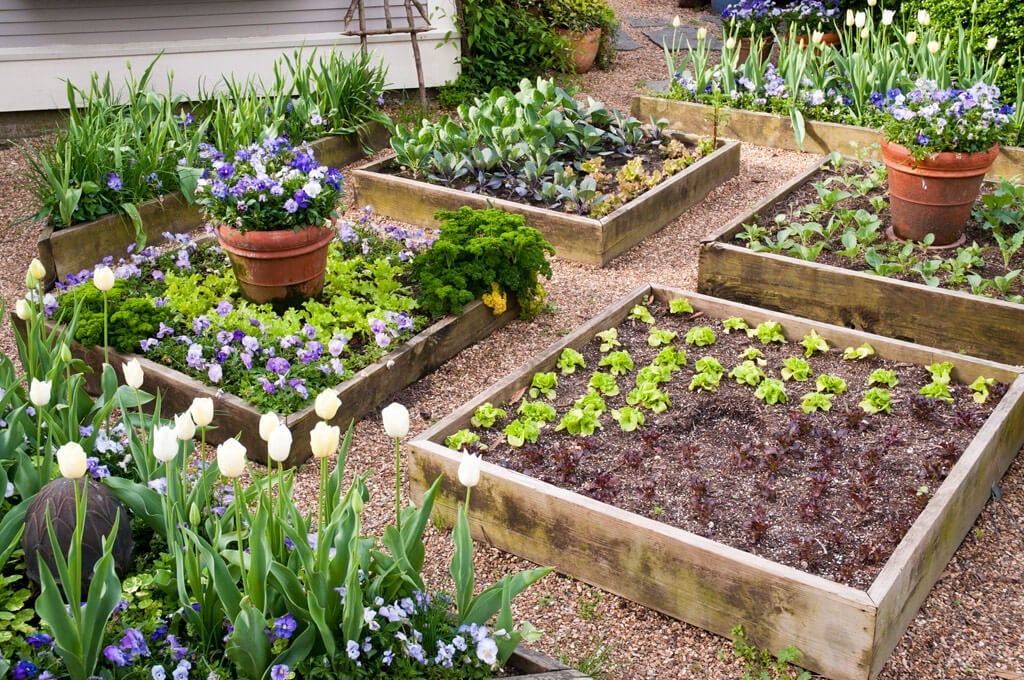
During the time when your garden isn’t growing, grass and weeds will start to grow into the areas where your plants are. Going around each garden bed and making a neat, sharp edge with a spade or a half-moon edger puts a clear line back in place and gets rid of the roots of those grasses which would steal water and food from your vegetables. As for the paths, replacing the mulch (so wood chips, gravel, or straw are good) will stop them from becoming muddy when it rains in spring, and will give you nice surfaces to walk on between the beds.
7. Set Up or Test Irrigation Systems
Before you actually have to use them on your plants, get your drip lines, soaker hoses, and sprinklers all hooked up, get water flowing through them and let them go through a complete operation. Doing this beforehand shows you where there are any holes, blocked bits, or broken parts, so you can fix them when you have time. That’s much better than realizing something’s wrong with your watering during a really hot spell when everything is suffering.
8. Start Indoor Seeds on Schedule
To figure out the best time to begin growing each thing inside, look at a seed starting calendar for your area and work back from when the very last frost will happen. If you start seeds much too early, you’ll get plants that are too big and have all their roots tangled. Begin too late, and you’ll lose valuable time in the growing season. Tomatoes, peppers, eggplants and other plants which like the heat generally want six to eight weeks of growing inside before they go in the ground. Broccoli, cabbage, kale, and the kinds of plants which prefer cooler temperatures usually only need four to six weeks inside.
9. Plan the Garden Layout
If you write out or quickly draw your garden layout, or even just make a basic list of what you’re planting in each area, you’ll avoid putting plants too close together and give them the room they need. This also makes it easier to rotate your crops (so you don’t plant something from the same family in the same spot for two years running), and you’ll be able to see when you have empty spaces in your planting times. You can fill those with another planting, or quick-growing plants to get the most out of your garden.
10. Direct Sow Early Cool-Season Crops
You’re holding off on putting out things like tomatoes and peppers until the danger of frost is over. However, you can absolutely start planting right now by putting some seeds directly in the garden. Peas, spinach, radishes, lettuce, arugula, carrots…all of these can go in the ground four to six weeks before the last frost is predicted. Planting these earlier uses the cool, damp weather they thrive in, and you’ll be eating from them weeks before your main summer garden gets going.
Key Takeaway
Getting a spring garden ready happens in a sensible order. You should look at and fix things like raised beds and trellises, then get your tools clean. Old leaves, branches and other stuff from winter should be cleared away and the soil’s temperature should be checked. After that, work some compost into the ground, neatly define the garden beds, and make sure your watering system is functioning. Starting seeds inside at the right time is also important, as is deciding how you’ll arrange everything and putting in the first seeds for things that like cooler weather. If you get all ten of these things done in the three to six weeks before your main planting, you’ll have a neat and ready space to grow a garden that will be both productive and easy to deal with all year long.