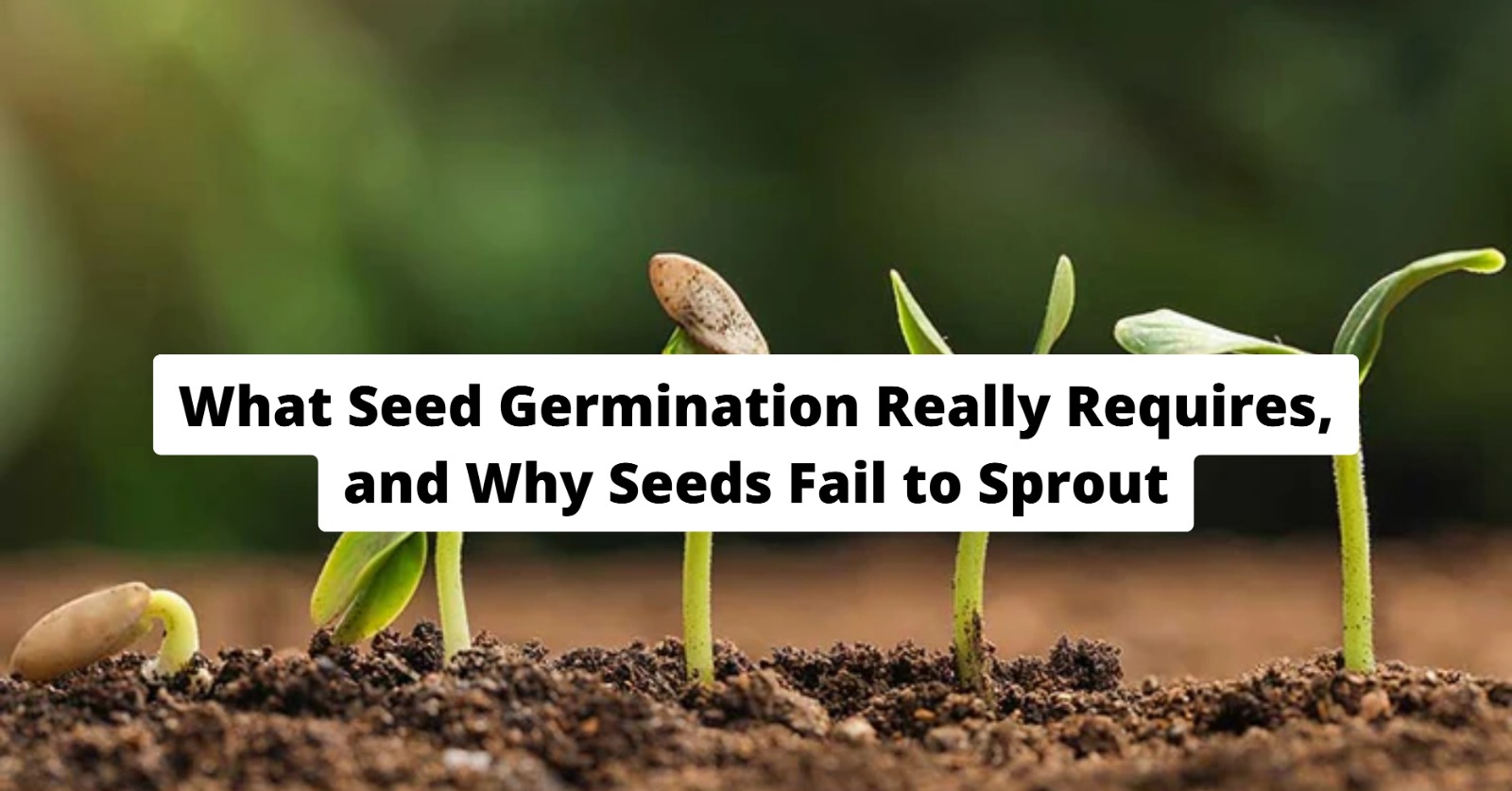
What Seed Germination Really Requires — and Why Seeds Fail to Sprout
It looks easy for a seed to start growing: you put one in the ground, give it water, and after a little or longer time, a little green shoot comes up. But a lot of complicated chemical stuff happens under the dirt, and it all needs the right amount of things in the environment to happen. If just one of those things isn’t quite right for the seed, it won’t begin to grow and the gardener will be puzzled by the empty container.
Biologists who study plants say seeds need four things to germinate: water, oxygen, temperature, and light (though not all kinds of seeds need light). Also, each kind of seed has its own specific minimum and maximums for each of these, and that’s why some seeds will sprout with no problems, while others will act like they don’t want to.
Water: The Trigger That Starts Everything
Imbibition, or taking in of water, is the very first physical thing that happens when a seed starts to germinate. A dry seed is pretty much ‘asleep’ in terms of its processes, with all its internal workings stopped. Once it gets water, the tissues fill with moisture, the things that make life happen (enzymes) get going, and the seed’s stored food, starches and proteins, are turned into simple sugars and amino acids to give the embryo the energy to grow. For most seeds, they’ll soak up between fifty and one hundred percent of their weight in water before they actually begin to germinate. If seeds are in soil which is too dry, they won’t get enough water and will stay inactive. But, and this is also important, seeds in soil with too much water may get plenty of water but won’t be able to breathe because of the lack of oxygen, and oxygen is the second essential thing they need.
Oxygen: The Overlooked Requirement
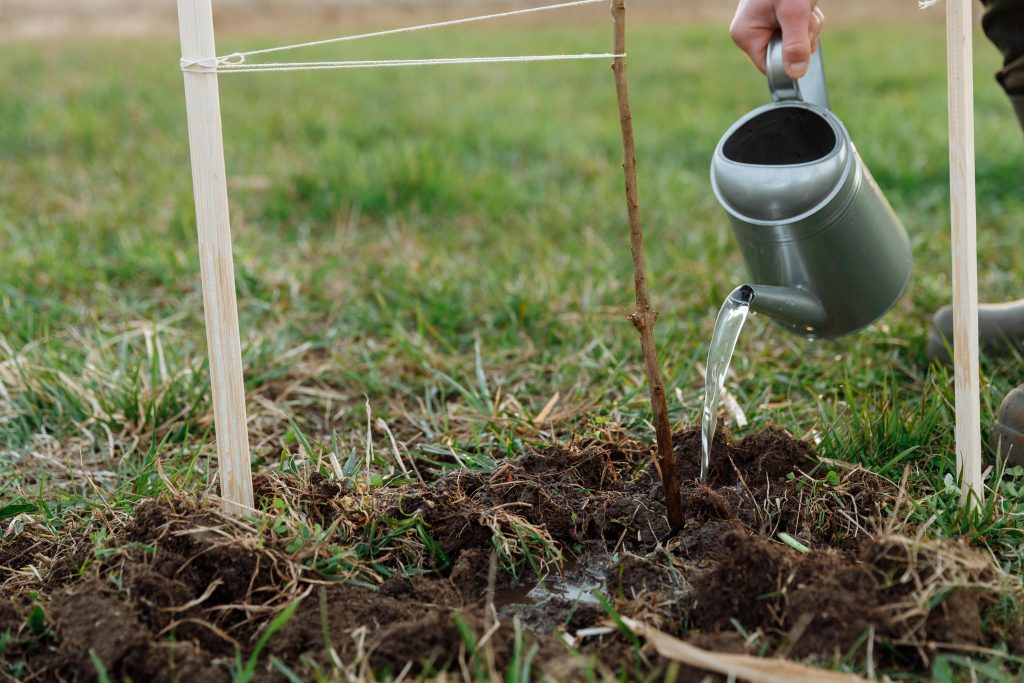
Seeds that are starting to sprout are alive and like all living things, they need oxygen to breathe (which is to say, to use the energy from their food to start growing roots and stems). If seeds are planted too far down, or in soil that’s been packed tight or is full of water, they won’t get enough oxygen. This either means they won’t sprout at all, or they’ll grow very feeble plants which will run out of energy before they even poke out of the soil. Because of this need for oxygen, mixes for starting seeds are made to be light and full of holes. Perlite, vermiculite, and peat moss are used as they form pockets of air in the soil, guaranteeing the seed has oxygen available, even if the soil is damp.
Temperature: The Speed Controller
How warm the soil is doesn’t change if a seed can start to sprout (as long as the temperature is within a range it likes), but it drastically affects how speedily it will. All types of seeds have a lowest temperature where they won’t begin to grow, a perfect temperature for the quickest sprouting, and a highest temperature where growth is stopped or the seed is destroyed. For example, lettuce, peas, spinach, are all crops that do well with soil as cold as 35 to 40 degrees Fahrenheit. Tomatoes, peppers, squash on the other hand, need soil at least 60 to 65 degrees Fahrenheit. A very typical reason for seeds to not sprout is when springtime gardeners, keen to get started, put seeds in soil that’s too cold for them.
Why Some Seeds Need Special Treatment to Germinate
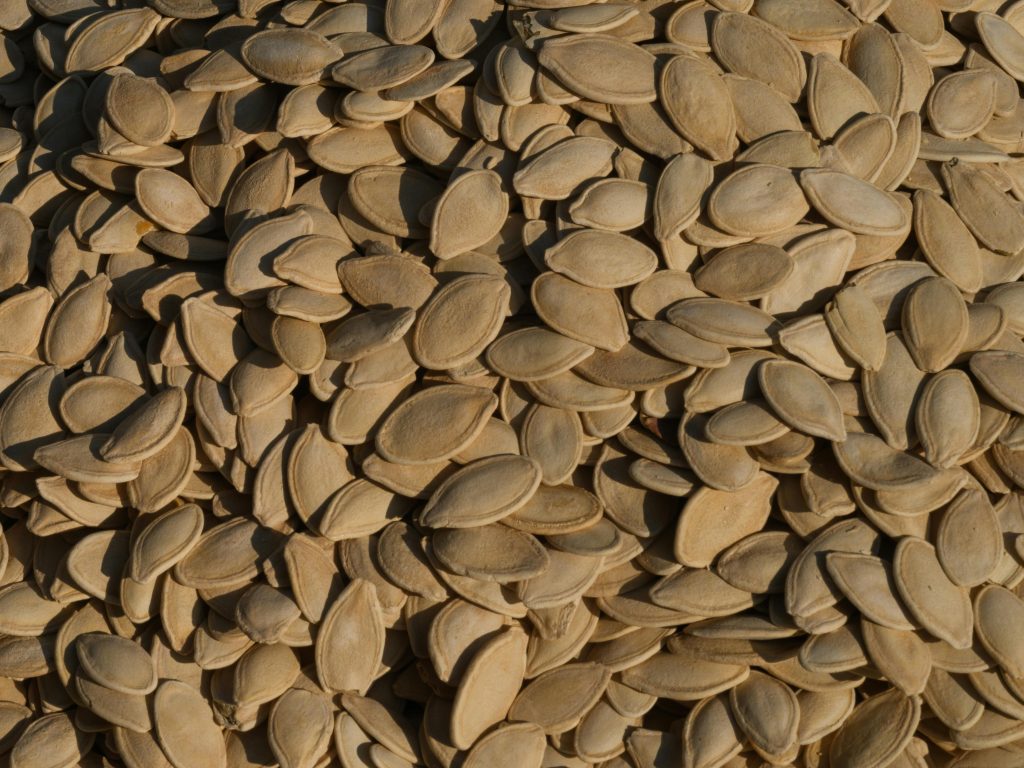
Some seeds have developed extra ways to stay asleep (dormant), so they won’t start to grow even when they have enough water, air, and the right temperature. These extra blocks on growth, hard outer coverings, chemicals that stop growth, and needing a period of cold, all developed to stop seeds from sprouting at a bad time in the wild. Seeds with very hard shells, like morning glories, sweet peas and certain beans, can be helped to sprout by scarification: carefully cutting, filing or soaking the shell to let water in. And seeds that need cold stratification (more on this in another article in this series) need several weeks of being cold and wet before something inside them lets them germinate. Knowing if a particular seed has these specific needs – and this information is usually on the seed packet or you can ask the place you bought the seeds – will stop you from being annoyed by waiting for seeds that simply won’t grow in the way you’re trying.
The Most Common Reasons Seeds Fail in Home Gardens
Nearly all the time when seeds don’t start to grow, it’s because of one of six things. The soil might be too cold from planting too early, or too soggy which cuts off oxygen and makes the seed rot. Another possibility is that they’re planted too deep, meaning they run out of energy before they get to the sunlight or don’t get enough oxygen. The seeds themselves could be old, and therefore no longer capable of sprouting, or they’ve been badly stored. Incorrect light is also a likely culprit; seeds needing light are buried too far down, or seeds that want darkness are left right on the surface. And finally, sometimes seeds need a special “wake up” process (called stratification or scarification) and you haven’t given them one.
Key Takeaway
For a seed to start growing, it needs four things all at the same time: enough water, a way to get oxygen, a soil temperature that’s right for that kind of seed, and the amount of light it needs. If just one of these is off, the seed won’t grow at all. When seeds don’t sprout in a typical garden, it’s usually because they were planted in the cold ground too soon, have had too much water (and the water has pushed the oxygen away), are under too much soil, or haven’t had any special preparation to wake them up like cooling them (cold stratification) or gently roughening the outer coat (scarification). If you carefully look at each of these things when a seed doesn’t come up, you can figure out what went wrong and won’t have the same problem next time.