Why Houseplant Leaves Turn Yellow and the 6 Most Common Causes
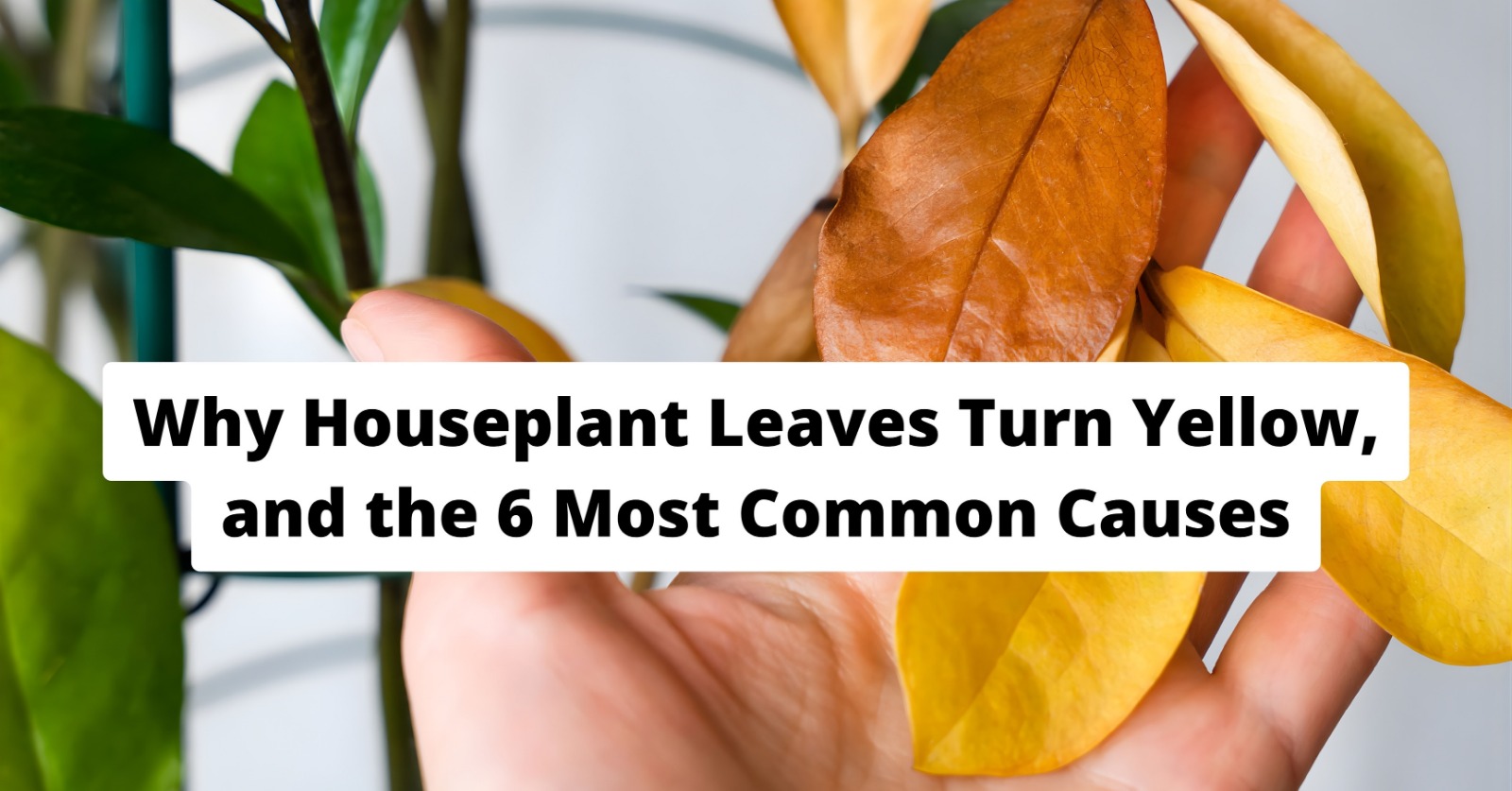
What houseplant owners ask about most in gardening forums, at plant stores, and with local extension services is why their plant’s leaves are turning yellow. What makes this even more annoying is that yellow leaves can be a symptom of many things – too much water, a lack of food for the plant, or just the plant getting older – and figuring out what’s going on can feel like a shot in the dark, similar to issues seen in how to grow milkweed successfully where plant care mistakes affect growth. Still, when you look at how the yellow is happening on the leaf, which leaves are turning color, and how the plant has been treated, finding the reason is generally quite easy.
1. Overwatering: The Leading Cause
More often than you’d think, houseplants get yellow leaves because of too much water – in fact, it’s the reason for more of them than anything else! If the soil is soggy for a long time, the roots can’t get oxygen and they start to decay. Once the roots are harmed, they can’t bring up water or food for the plant very well, and this results in all the leaves going yellow, usually beginning with the ones at the bottom and that have been on the plant the longest. When you squeeze the earth in the pot, it will usually be very heavy, wet, and might even smell a bit sour or mildewy. What you should do is let the soil dry out between each time you water, and ensure the pot actually has holes in the bottom for the water to drain.
2. Insufficient Light
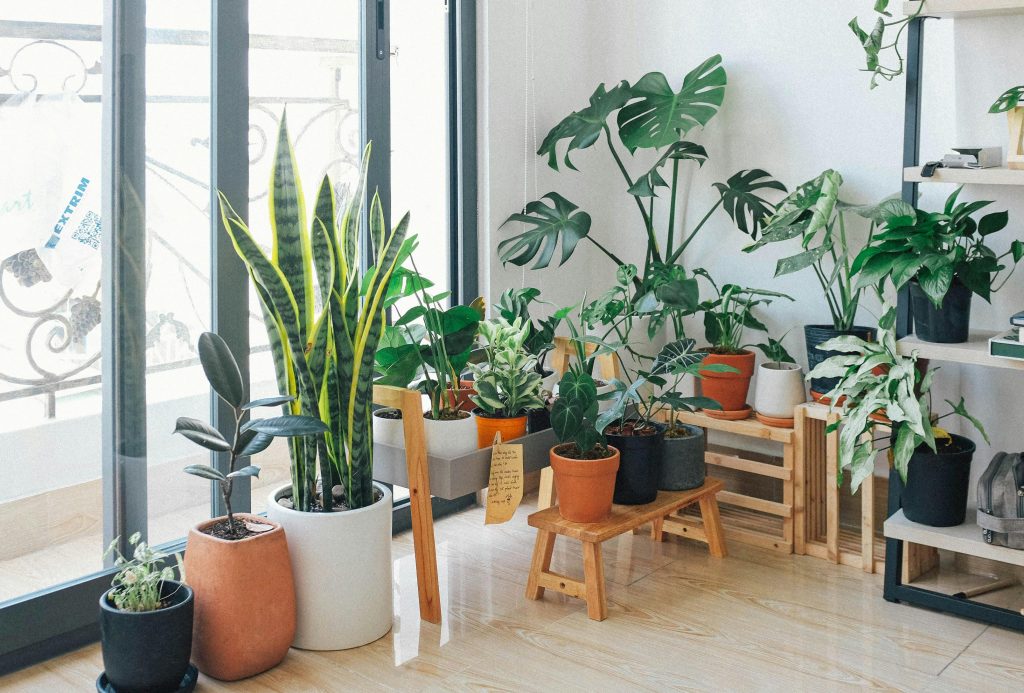
When plants don’t get as much light as they’re supposed to, they can’t make enough chlorophyll (that’s the green stuff that lets them photosynthesize) to keep their leaves healthy. The leaves will slowly lose their rich green color, becoming paler green and then yellow, and the plant will often start to get long and spindly as it strains towards any available light. A change to a sunnier spot or using a special growing lamp will usually fix this in a few weeks, but leaves that have turned very yellow won’t go green again and should be taken off.
3. Natural Leaf Aging
Plants naturally drop their oldest leaves every so often as they grow. If only a couple of the leaves at the very bottom of the plant are turning yellow, and the rest of it is doing well with fresh growth, you don’t have to do anything about it. The plant is just moving goodness from the older leaves to help the new ones grow, which is what it’s supposed to do. Just get rid of the yellow leaves to make your plant look nicer.
4. Nutrient Deficiency
If plants live in the same potting mix for a long time, they’ll use up all the food in it, especially nitrogen and iron. When a plant doesn’t get enough nitrogen, all of the older leaves turn a flat yellow, but the new ones will stay green. Iron problems show in the opposite way: the new leaves are yellow, but the veins in them are green (this is known as interveinal chlorosis), and the older leaves are fine. To stop most yellowing because of a lack of nutrients, feed plants with a good all-purpose liquid houseplant fertilizer regularly during the spring and summer until the beginning of autumn. Lack of nitrogen or iron causes yellowing in specific patterns. This is often due to depleted soil, which is why improving soil quality—like using organic matter such as leaf mold compost—can help restore nutrients.
5. Temperature Stress
If your houseplants get a cold blast from windows, doors or the air conditioner, the leaves on the side getting the cold are likely to turn yellow. Likewise, if you put them right by a heater, they can yellow from being too hot and the air being too dry. Most tropical houseplants like a pretty steady temperature, ideally between 60 and 80 degrees Fahrenheit, and they do badly if the temperature goes up and down a lot or goes below 55 degrees.
Sudden cold or heat exposure can cause leaves to turn yellow. Extreme conditions affect plant health just like summer heat damage in plants.
6. Root Bound Conditions
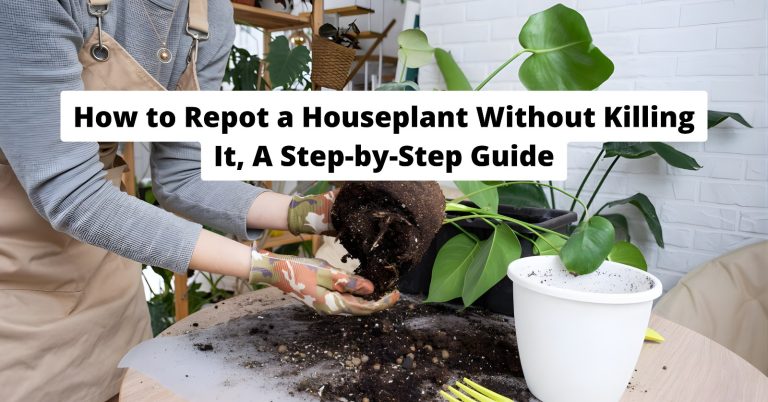
When plants stay in the same pot too long, their roots get all wrapped around and around inside, and there’s not much space left for the dirt and water they need. Plants with this problem (often called being ‘root bound’) commonly have yellowing leaves, don’t grow as much as they should, and have water flowing quickly right through the pot since the roots aren’t soaking it up. To see if a plant is root bound, carefully pull it from its pot and look at the roots. If they’ve formed a very thick, complicated tangle, you’ll need to get a new pot that’s one or two inches wider all the way around, and use new potting mix, to help the plant get healthy and grow well again.
Key Takeaway
When your indoor plants get yellow leaves, it’s usually because you’ve given them too much water, they aren’t getting enough light, or they’re simply getting older. Figuring out which is happening (and which leaves it is happening to, and how they are turning yellow) will quickly tell you what’s wrong. If you’ve been overwatering, the yellow will be all over the lower leaves, and the soil will be soggy. Too little light causes the plant to slowly lose color everywhere. If it doesn’t have enough nitrogen or iron, the yellowing will happen in a particular way. In most situations, changing how much you water and where you place your plants for light will fix the issue.