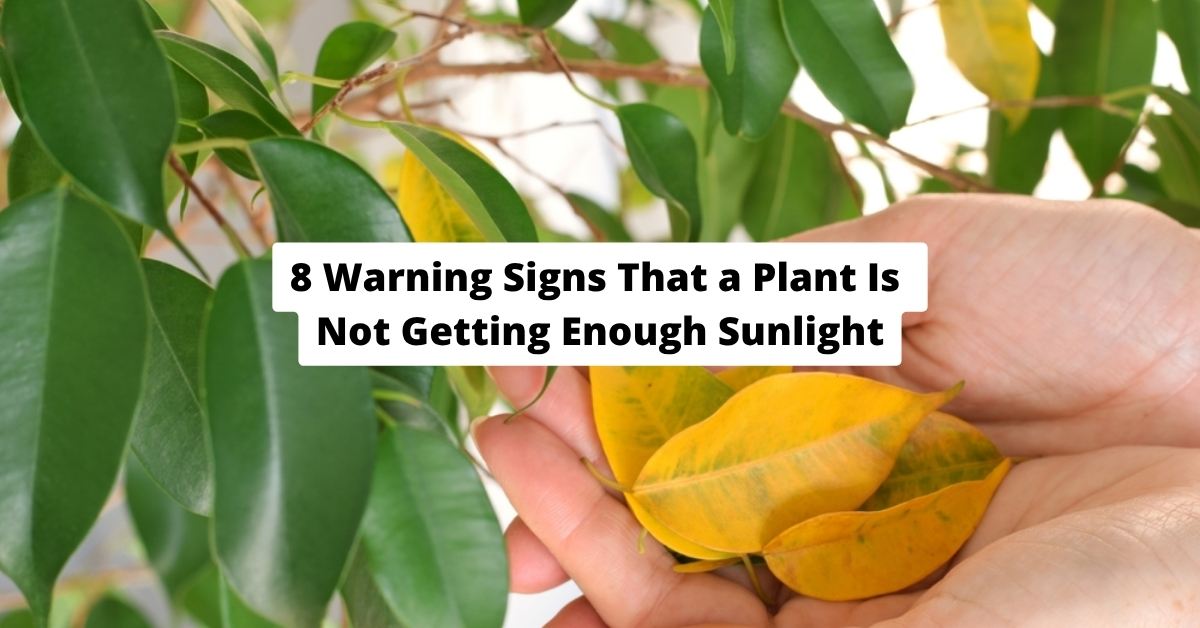
8 Warning Signs That a Plant Is Not Getting Enough Sunlight
Plants use light for absolutely everything they do to grow: for roots to grow, for stems to be strong, for leaves to appear, when they flower, and for fruit to form. Because plants respond slowly to a lack of light, the effects show up over days or even weeks, so you might not notice them or think they’re due to something else like not enough water, a lack of food for the plant, or bugs. However, if you do understand exactly how a plant looks when it isn’t getting enough light, you can fix the problem before the plant gets too sick to bounce back.
Experts who study plants say a shortage of light is one of the three most common reasons for houseplants to do badly (the other two are giving them too much water, and having them in a pot where the roots have nowhere left to go), and it severely decreases how much produce you get from vegetables in the garden if they aren’t in a sunny spot for as many hours as they need.
1. Leggy, Stretched Growth
When plants don’t get enough light, you’ll easily see it in their long, stretched stems and very wide spaces between the leaves – this is etiolation. Because light is scarce, the plant is using all its energy to get taller to find a brighter spot, and as a result it doesn’t develop strong stems or proper leaves. Plants like this have stems that are very thin and flimsy, so they can’t hold themselves up and will likely bend or fall over. Both plants you’re growing inside and those in the garden that are in too much shade will do this.
2. Smaller Leaves Than Normal
When plants don’t get enough light, their new leaves are quite a bit smaller than they’d normally be. The plant makes leaves smaller to save energy; a normally sized leaf needs energy from photosynthesis to grow, and the plant simply isn’t making enough of that energy in dim conditions. So, if you see that the leaves growing now are always much smaller than the ones the plant had before, not enough light is probably part of the problem.
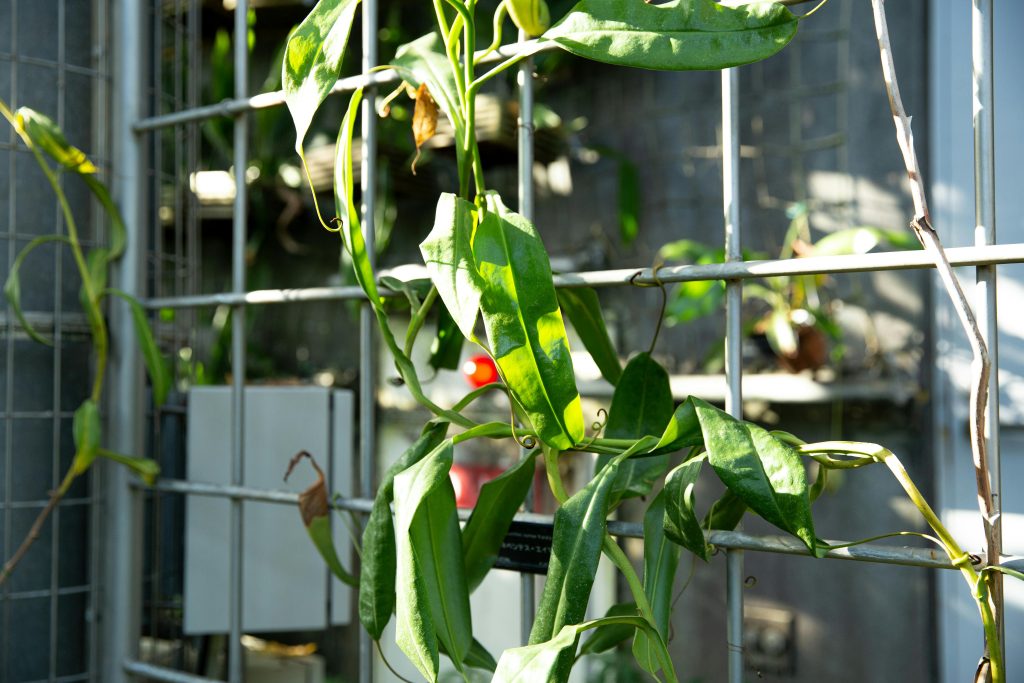
3. Pale or Washed-Out Leaf Color
Leaves are healthy and full of chlorophyll, that green stuff which grabs sunlight to make food for the plant (photosynthesis). When plants don’t get enough light, they can’t make chlorophyll as quickly as they should, and their leaves look a light green, yellowish-green, or just faded when compared to the nice deep green they normally are. This all-over lightness is different from leaves turning yellow in spots or patterns, which happens if the plant isn’t getting the right food or if it’s getting too much water.
4. Loss of Variegation
If your colorful houseplants (the ones with white, cream, yellow, or pink in with the green in their leaves) start to become completely green, it’s usually because they aren’t getting enough light. The colorful parts of a variegated leaf don’t have as much chlorophyll, and chlorophyll is what plants use for photosynthesis. When a plant doesn’t get a lot of light, it makes more chlorophyll in all of its cells to make up for the lack of brightness. This basically covers over the color pattern, making the leaves a uniform green. If you put the plant in a brighter spot, new leaves should be colorful again, but leaves that have already gone all green won’t change back.
5. No Flowers or Fruit Production
Plants spend a lot of energy on flowers and then on making fruit, and they simply won’t bother with either if they aren’t getting enough light to get that energy from. So if your veggie plant has nice green leaves but doesn’t bloom or grow fruit, even if the temperature and water are good, it’s almost certainly not getting enough sun. Tomatoes, peppers, squash, beans – these all need six to eight hours of direct sunshine to make a good crop of fruit. What’s more, even a little bit of shade, getting only four or five hours of sun instead of six, can cut your harvest from these plants by 50% or even more.
6. Leaning or Growing Toward the Light Source
Plants grow towards the light, and this is called phototropism. If they don’t get enough light, this natural behavior is taken to an extreme. So a houseplant bending a lot towards a window, or an outdoor plant growing all to one side towards a space in the branches above, are both showing you they aren’t getting enough light all around. Turning houseplants a little bit each week, about a quarter of the way around, will spread the light out more equally. But, if the plant keeps bending, it’s a sign it needs to go somewhere brighter.
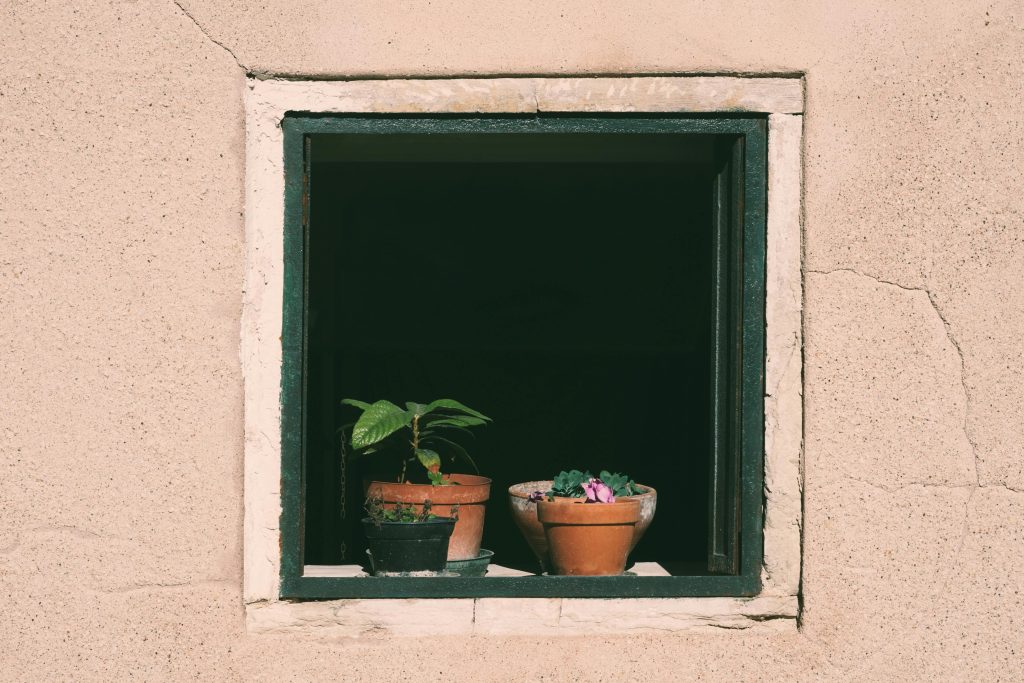
7. Slow or Stalled Growth During the Active Season
If your plants aren’t putting out new leaves, shoots or roots at the time of year they normally would (so for most kinds, that’s spring and summer), a lack of light is probably the problem, not a shortage of food, water or a temperature issue. You can really see this happen when identical plants in a brighter spot are growing as they should. Giving houseplants an extra grow light or moving plants outside to somewhere sunnier will frequently get them growing again in fourteen to twenty-one days.
8. Dropping Lower Leaves
If a plant isn’t getting enough energy from sunlight to keep all its leaves alive, it will drop some. It’s the ones doing the least work that go first, so generally the oldest leaves, those at the bottom of the plant, and the ones that are furthest from the light and hidden by the leaves above. A slow disappearance of leaves from the bottom of a plant that looks otherwise healthy, especially a houseplant that isn’t near a window, is a pretty sure sign it isn’t getting enough light for all its leaves. This will keep happening with more and more leaves falling until the plant balances the number of leaves it has with the amount of light it receives, and unfortunately this usually means the plant will end up thin and not very pretty.
Key Takeaway
When plants don’t get enough light, they all show pretty much the same problems. They stretch for the light, their leaves become small and light in color, any patterns in the leaves disappear, they won’t bloom or produce fruit, they’ll clearly bend towards the window, their growing stops, and they slowly lose leaves from the bottom up. These things happen slowly, and people often think the plant is having trouble with how much water it’s getting or with its fertilizer. But you can easily tell what’s happening: if the plant gets better in two to four weeks when you move it somewhere brighter or give it a grow light, then it was the light all along.