
When summer gets really hot, going over 90 and even 100 degrees in lots of places, plants in the garden get a lot of heat problems. These heat-related problems can sometimes look similar to other issues, like those explained in why houseplant leaves turn yellow when plants are under stress. These aren’t always obvious even to people who have been gardening for a long time. The heat has an effect on plants’ cells, messing up how they make food (photosynthesis), breathe (respiration), and make things like flowers and fruit. This causes things to happen that you can see, like drooping, leaves getting brown and crispy, strangely shaped fruit, or a whole crop dying. Knowing how the heat is actually hurting plants means gardeners can tell the difference between normal heat damage and something else more serious, and do something about it to save as much as possible when the weather is terribly hot.
Credit: Teresa Wang / Pexels
2. Sunscald on Fruits and Vegetables
When fruit is in strong, direct sunlight, it can get sunscald. This shows up as pale, thin spots on tomatoes, peppers, squash, and similar plants which will eventually form bubbles and then decay. It happens most of the time if you’ve removed a lot of leaves or if the fruit hasn’t had much sun then gets a lot all at once. You can protect easily damaged fruit during the hottest part of the day with shade cloth that blocks 30 to 50 percent of the sun, and it won’t lower the amount of light the plants get to a dangerous extent.
Direct sunlight can damage fruits, causing pale patches and decay. Using shade cloth helps protect plants, similar to how controlled watering with a drip irrigation system reduces stress.
3. Leaf Scorch and Tip Burn
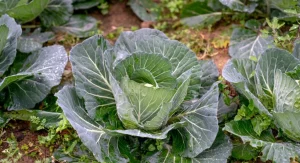
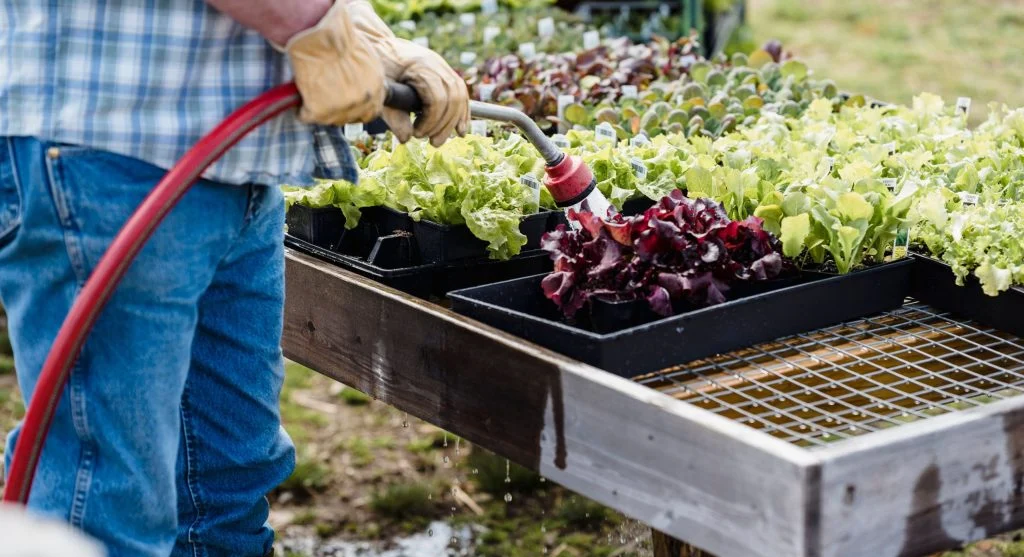
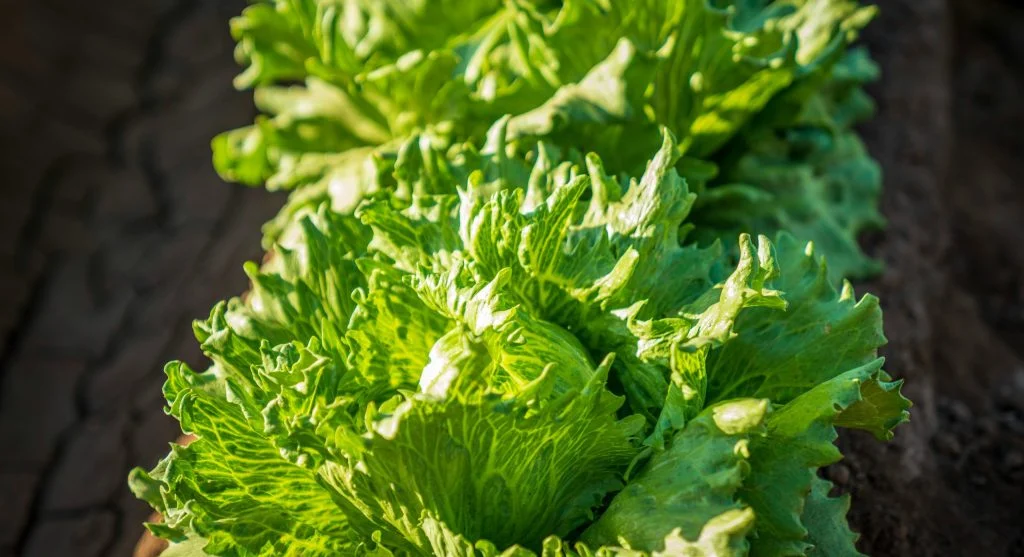
When leaf edges turn brown and get crispy, people often think the plant isn’t getting enough food, but this is usually because the plant is losing water to the heat faster than the roots can get it more. Lettuce, beans, hydrangeas, and lots of houseplants are prone to this. For plants that are already doing well, this isn’t actually harming the plant itself, though if a lot of the leaves get badly burned (scorched) it can lower the amount of energy they make from sunlight, slowing their growth and reducing the amount of produce you’d get.
Credit: Mark Stebnicki / Pexels
5. Fruit Cracking and Splitting
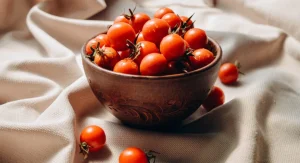
Tomatoes split easily when the weather is hot, and they’ve been fairly dry for a while, then get a lot of water all at once from a big rain or a good soaking with the watering can. Because the water rushes in quickly, the fruit gets bigger too quickly for its skin to keep up, and this makes cracks that go from the center out or form circles. The best way to stop this is to water them steadily and evenly, and to use a nice thick layer of mulch to keep the amount of moisture in the soil from changing so much.
6. Poor Seed Germination in Hot Soil
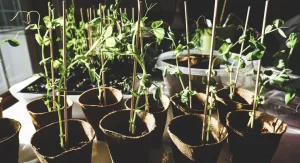
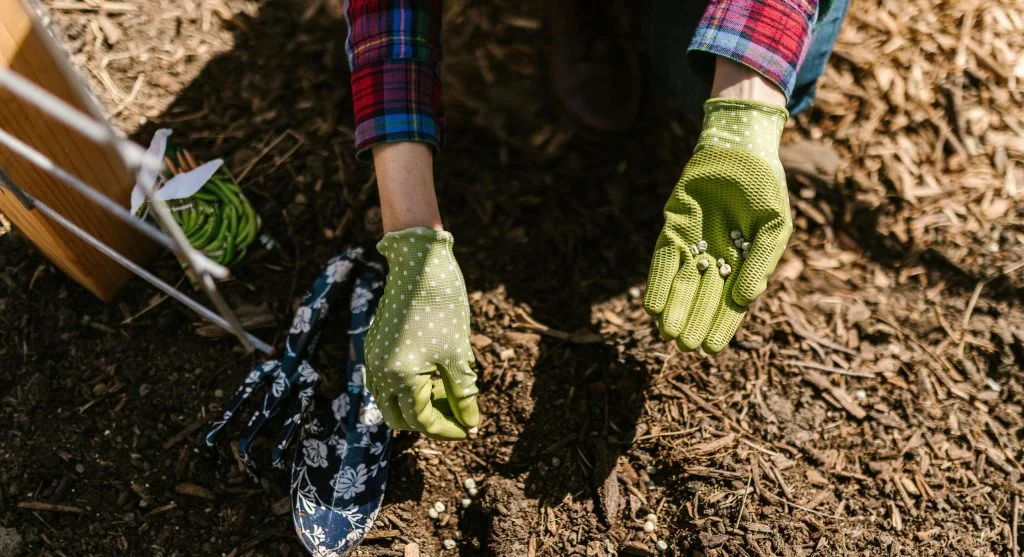
Many common vegetables like lettuce, spinach, and carrots won’t start to grow if the ground is hotter than 85 or 90 degrees. In fact, when the soil gets over 80 degrees, lettuce actually goes into a kind of ‘heat sleep’ (thermodormancy) and the seeds won’t sprout, no matter how much water or sunshine they get. If you are trying to plant seeds directly in the garden during the really hot part of summer, you could get them going inside somewhere cool first, then carefully move the little seedlings. Or, a simpler option is to just hold off on planting until the weather cools down in early autumn.
7. Increased Pest and Disease Pressure
When plants are really struggling with the heat, they get attacked by bugs and catch illnesses more easily – their own ways of protecting themselves just aren’t working as well. Spider mites are especially happy in hot, dry weather and can destroy plants that are already weak unbelievably quickly. And powdery mildew, as well as other fungal diseases, get much worse in hot weather; warm nights and the moisture of morning dew on leaves are what they need to really spread. Looking at your plants often during a heat wave, and dealing with any pests as soon as you notice them, will stop little problems with bugs from turning into much larger, more difficult ones.
Key Takeaway
When it gets really, really hot in the summer, garden plants have all sorts of particular troubles. These include flowers falling off, sunburnt patches on the plant, plants going to seed too early, and being more easily bothered by bugs. You can usually deal with these things by using shade cloth, watering steadily, covering the soil around plants with mulch, and planting at times that won’t be during the peak of the heat. It’s important to realize if the problem is from the heat (and not a sickness or missing food for the plant), so you can do something about it correctly and not do treatments you don’t need.