
Dividing perennial plants is one of the quickest, easiest, and most dependable ways to expand a garden without spending anything. Unlike plants grown from seed, which can take years to mature, divided perennials are already established. They settle into their new spot quickly and may even bloom in the same season they are divided.
This method works well for any perennial that grows in spreading clmps, including hostas, daylilies, ornamental grasses, irises, black-eyed Susans, coneflowers, sedums, astilbe, and many other common garden plants. Division is also an important part of perennial maintenance. When plants become overcrowded or begin dying out in the center while continuing to grow around the edges, it is usually a sign they need to be lifted, divided, and replanted.
When to Divide
A general rule is to divide spring-blooming perennials in fall and fall-blooming perennials in spring. Dividing in the opposite season from flowering gives the plant a full growing period to develop new roots before it needs to use energy for blooms.
Summer-blooming perennials can usually be divided in either early spring or early fall. The worst time to divide any perennial is while it is actively flowering or during the hottest part of midsummer. At that point, the stress of disturbing the roots, combined with high moisture loss, can kill divisions that would normally survive without trouble.
How to Divide: Step by Step
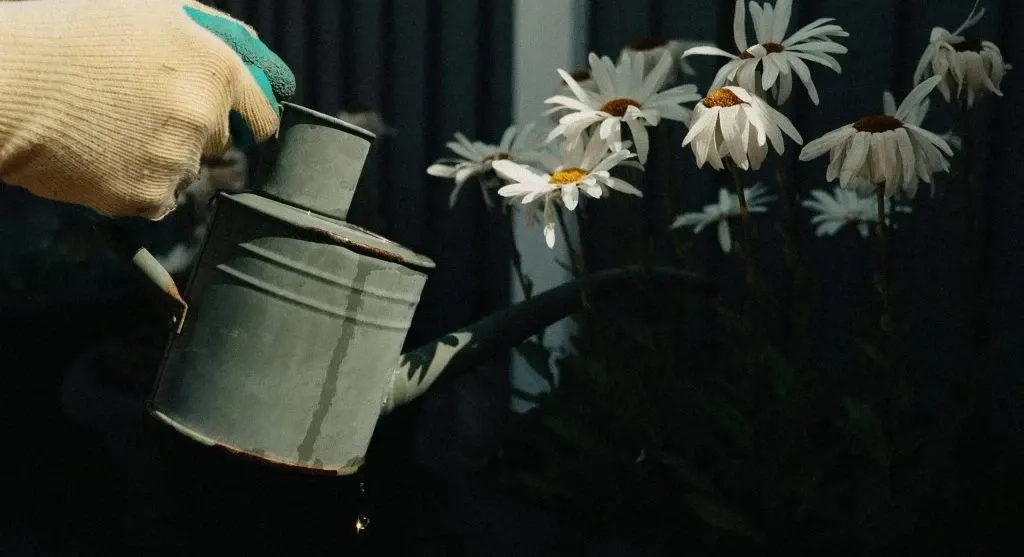
Water the plant well the day before you plan to divide it. Moist roots and soil are easier to handle, and the plant is more likely to recover quickly after being disturbed.
Using a garden fork or spade, dig around the full perimeter of the clump, about four to six inches away from the outermost foliage. Cut straight down to separate the outer roots, then gently lever the entire root mass out of the ground. Place it on a tarp or another firm surface where you can work easily.
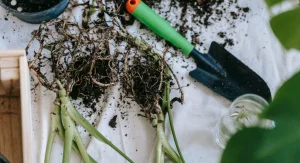
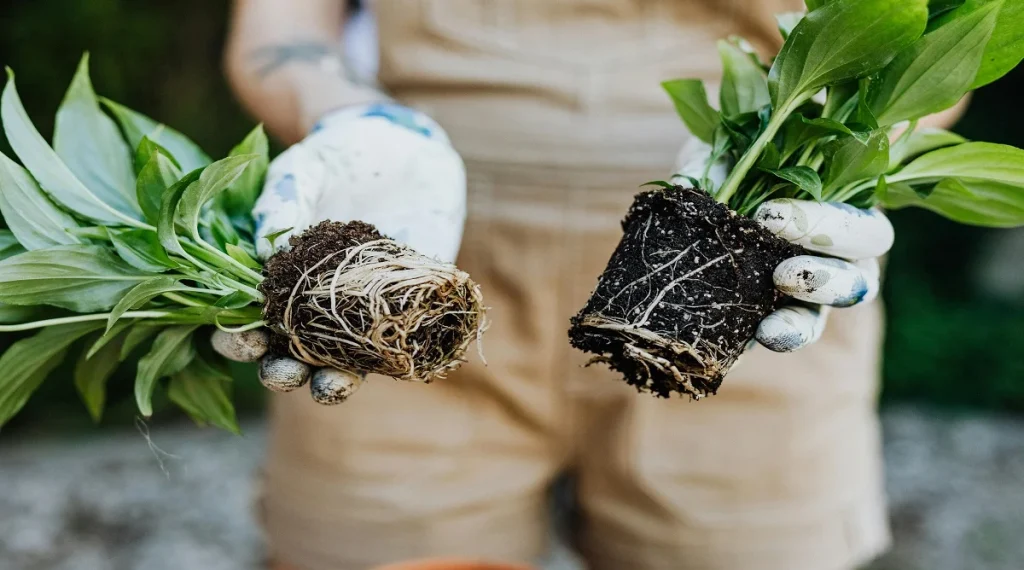
For clumps that separate without much effort, such as hostas and daylilies, pull or cut the root mass into sections. Each division should have a healthy amount of roots and at least three to five growing points, such as visible buds or shoots. For tighter, more fibrous clumps like ornamental grasses or asters, use a sharp spade, serrated knife, or even a reciprocating saw to cut cleanly through the root mass.
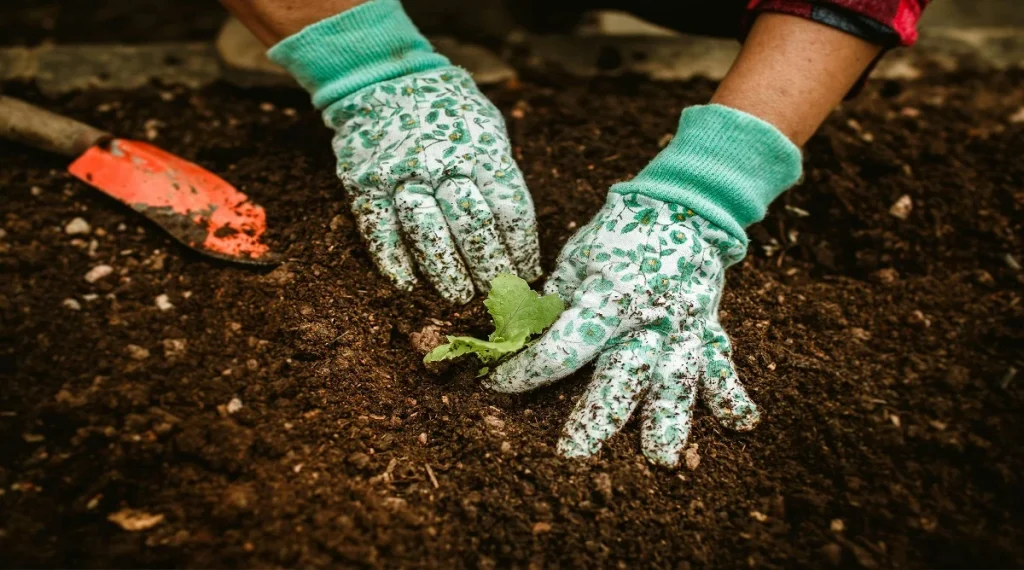
Remove and discard the old, woody center of the clump. This section has usually exhausted the soil around it and will not grow back as strongly as the younger outer sections. Replant the healthy outer divisions at the same depth they were growing before, leaving enough space for each plant to reach its mature size.
Water deeply right after replanting. Keep the soil consistently moist for the first two to three weeks while new feeder roots begin connecting with the surrounding soil.
Plants That Benefit Most From Regular Division
Some perennials can grow for decades without being divided, while others begin to decline if they are not divided every three to five years. Plants often show they need division when they develop dead or bare centers, produce smaller flowers or fewer stems than before, spread beyond their assigned space, or become so dense that air cannot move through the clump easily, which can encourage disease.
Hostas, irises, daylilies, bee balm, shasta daisies, and most ornamental grasses all benefit from division every three to four years. Peonies, however, do not like being disturbed and should only be divided when truly necessary. After being moved, they may take two to three years to bloom again.
Key Takeaway
Dividing perennials gives you free, mature plants that settle in quickly and often bloom in the same season. This method works with any clump-forming perennial and is especially useful for plants that benefit from division every three to five years.
Divide spring bloomers in fall and fall bloomers in spring. Each section should include healthy roots and three to five growing points. For the best results, discard the tired center of the clump and replant the stronger outer sections at the original depth.