
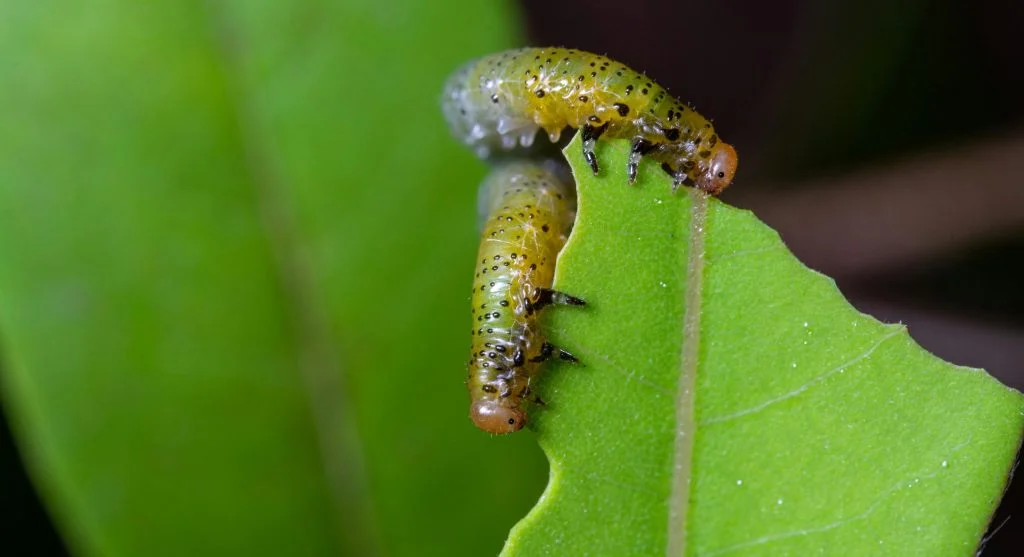
Everyone in North America probably knows how monarch butterflies and milkweed plants need each other to survive. Female monarchs will only put their eggs on milkweed, and caterpillars eat nothing else. Because of this, protecting milkweed is essential—something also explained in how to grow milkweed successfully. Scientists who study animals have said the monarch butterfly population has steadily gotten smaller over the last ten, twenty, thirty years because of milkweed disappearing all over the place. So, planting milkweed in your own garden is becoming more and more essential to actually protect monarchs.
Credit: Alexa Heinrich / Pexels
The Best Milkweed Species for Home Gardens
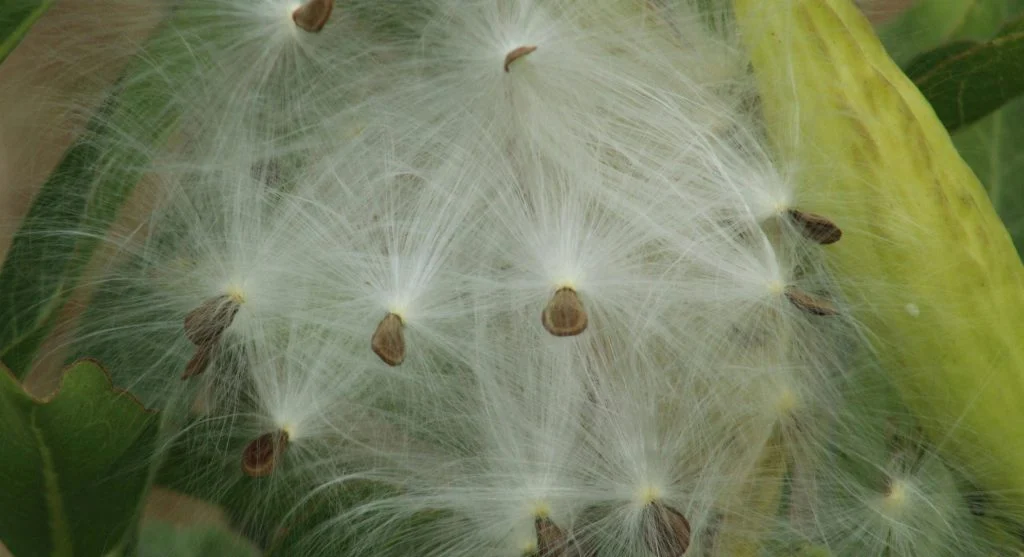
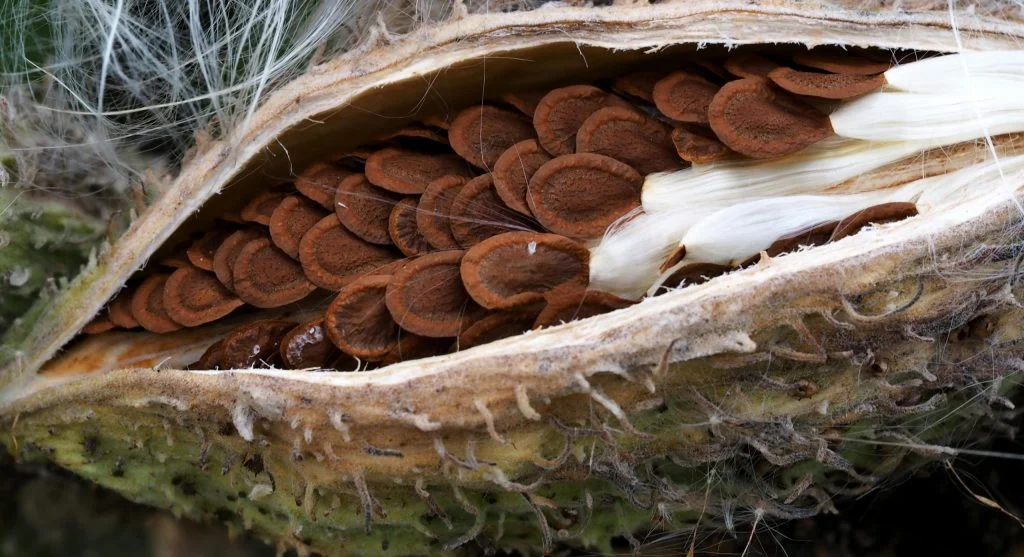
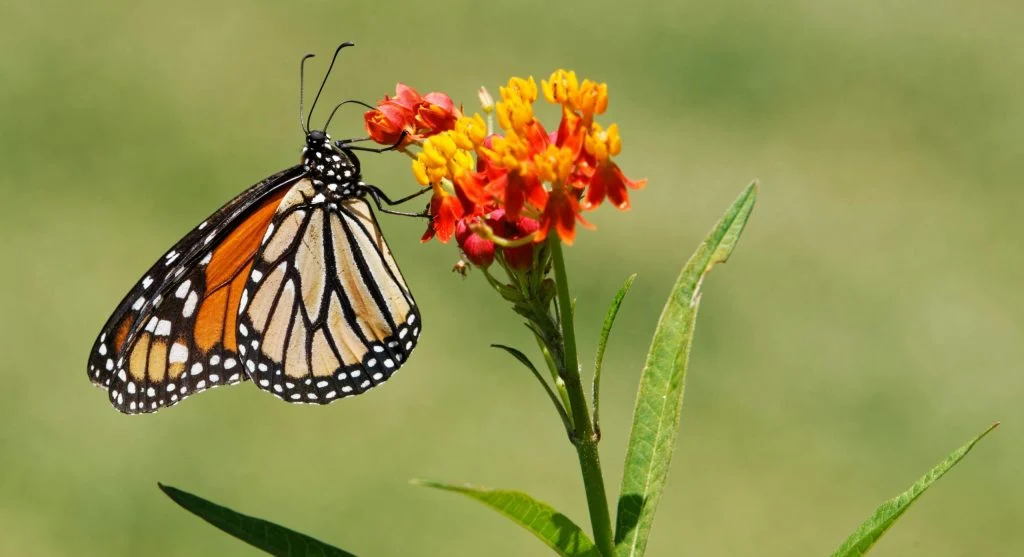
There are more than seventy kinds of milkweed that originally come from North America and to have a successful garden and good quality place for monarchs to live, you need to choose a type that will thrive in your local weather and the way your garden’s ground is. The most common milkweed (Asclepias syriaca) does well in areas from zone 3 to zone 9, needing lots of sun and normal earth. Swamp milkweed (Asclepias incarnata) is perfectly fine with soggy spots and isn’t quite as prone to rapidly taking over your garden with roots under the surface, something the common milkweed does. Butterfly weed (Asclepias tuberosa) has really bright orange flowers, likes dry to average soil and is the prettiest for flower beds. And in the western states, showy milkweed (Asclepias speciosa) is the main milkweed that monarch butterflies will use to lay eggs on.
Credit: David Levinson / Pexels
Key Takeaway
Monarch butterflies absolutely need milkweed to lay their eggs and for their caterpillars to grow, so milkweed is essential if we want to help monarchs survive. People with gardens can really help by planting at least ten milkweed plants, and including flowers that provide a lot of nectar – such as coneflowers, black-eyed Susans, zinnias – is a good idea. What’s more, if you pick milkweed types that originally come from your area, they’ll do best in your local weather and give monarchs the very best home.