How to Identify and Manage Powdery Mildew Before It Spreads Through the Garden
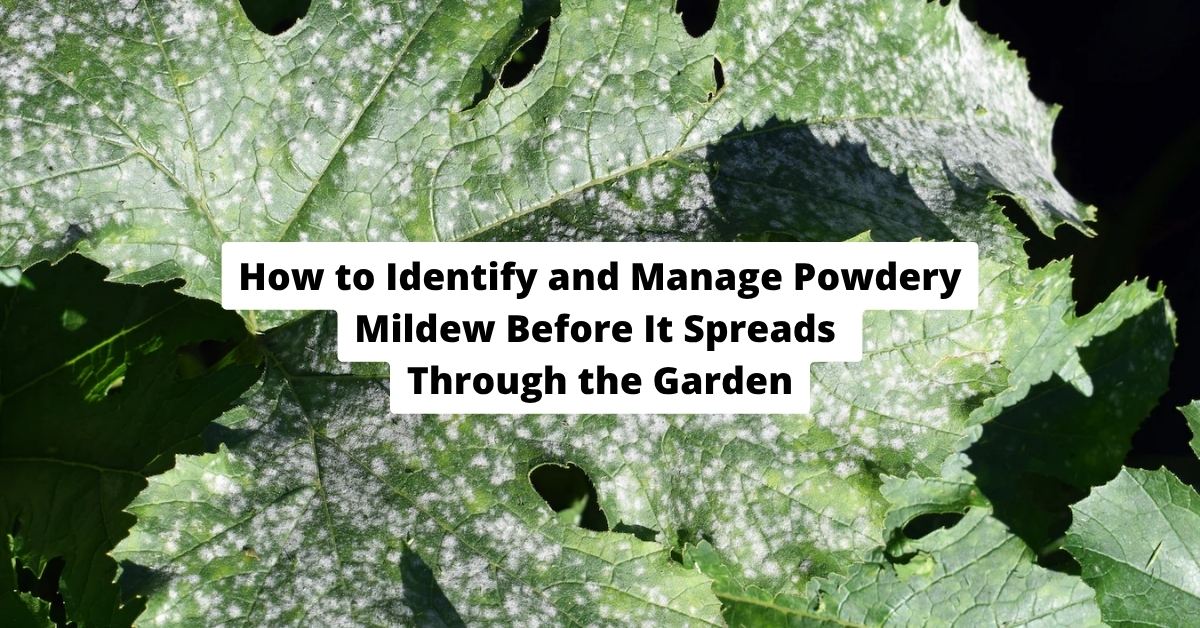
Powdery mildew is the most common fungal problem for vegetables and pretty flowers in gardens all over the world. That very obvious white or kind of gray-white powder on leaves? It’s caused by a lot of different kinds of fungus, and each one usually attacks certain plants. Squash, cucumbers, peas, roses, zinnias, lilacs, grapes are very often troubled by it, but pretty much any type of plant can get it. Most fungal diseases need water sitting on the leaves to start an infection, but powdery mildew actually likes it when it’s warm and dry with a lot of dampness in the air – a typical late summer situation in most places.
Experts who study plant diseases point out that powdery mildew doesn’t often completely kill a plant that’s already grown, however bad cases of it lessen the plant’s ability to get energy from sunlight, make it weaker, lower the quality and amount of fruit, and allow other illnesses to get in. Spotting it early and dealing with it quickly will stop a small bit of it on the surface of leaves from spreading to be all over your garden.
Recognizing Powdery Mildew
Powdery mildew usually starts on the top sides of the oldest leaves near the bottom of the plant. It shows up as little, round areas of white or grayish, powdery stuff. These spots get much bigger quickly, soon covering the whole leaf and then moving to the stems, flower buds, and if it’s really bad, even the forming fruit. Leaves that are infected will twist, turn yellow and fall off before they should. What’s different from downy mildew (which is caused by a totally different type of thing) is that powdery mildew grows only on the leaf and you can actually wipe it away with your finger. However, rubbing it off won’t destroy the fungus or stop it from coming back.
Organic Treatment Options
If you deal with powdery mildew as soon as you notice it, quite a few natural solutions can get it under control. A spray for all parts of the leaves, made by mixing one tablespoon of baking soda (that’s sodium bicarbonate) with one teaspoon of liquid castile soap in a gallon of water, will make the leaf’s surface more alkaline, and that stops the fungus from growing. Potassium bicarbonate, which you can buy as a natural fungicide, is better at this than sodium bicarbonate and won’t leave sodium in the soil. Neem oil sprays both kill fungus and insects, and are really helpful if you have both mildew and bugs. And, believe it or not, milk sprays (40% milk to 60% water) are also good at fighting powdery mildew; studies have confirmed this, and the proteins in the milk act as a germ killer when the sun hits them. You’ll have to apply any of these natural treatments every seven to ten days, and they’re most useful for stopping mildew starting or in its early stages, not for fixing a bad case of it.
Cultural Practices That Reduce Infection Risk
How far apart you plant things is really the biggest thing you can do to prevent powdery mildew. When plants are packed too close together, and their leaves touch, the area around the leaves gets still and humid, and that’s exactly what the fungus causing powdery mildew likes. If you give your plants the space they need (the seed packet or plant label will tell you this), and don’t cram more in just to get more to grow, air will move around the leaves and won’t let humidity build up. You can also lower the chances of infection by trimming off the leaves at the bottom and the branches inside the plant so air flows within the plant itself. Watering from above doesn’t cause powdery mildew (which is different from many other fungal problems), but if you water irregularly and the plant is then weakened, it is more likely to get the mildew.
Choosing Resistant Varieties
If you get powdery mildew in your garden every year, the best thing to do over the long run is to grow kinds of plants that were specifically developed to fight it. You’ll see “PM” (for powdery mildew) in the disease resistance information in seed catalogues for each type of plant. You can easily find powdery mildew resistant cucumbers, squash, melons, peas, zinnias, and they’re pretty much as good as the types that get the disease…but they are so much less likely to get powdery mildew! In the last twenty or thirty years, those who develop new plants have made a lot of progress with mildew resistance, and more and more resistant types are available to choose from every year.

Key Takeaway
White, powdery looking spots on leaves when it’s warm and damp? That’s most likely powdery mildew, the fungal disease you’ll find in home gardens more than anything else. If you catch it early, you can deal with it using things like potassium bicarbonate, neem oil, or a spray made of milk, and you’ll need to reapply those every 7 to 10 days. For a lasting solution, though, give your plants enough space, trim them to allow air to move around the leaves, and choose varieties that are labelled “PM” in the garden catalogue as being mildew-resistant. Treating it quickly will stop a small amount of mildew on the surface of the leaves from decreasing how much you get from your plants and from going to plants nearby.