What the NPK Numbers on Fertilizer Bags Actually Mean-A Plain Language Guide
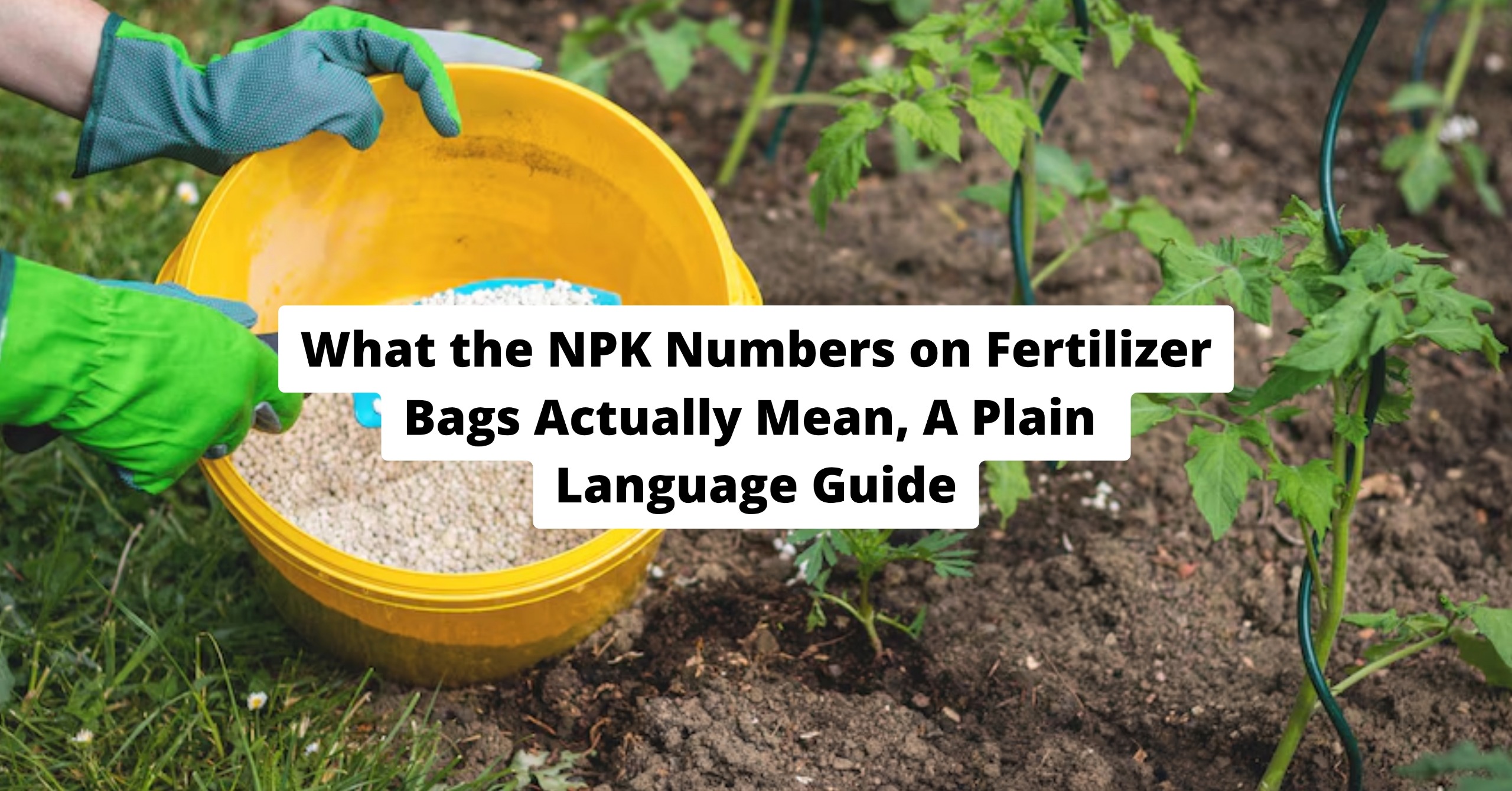
The law says that any fertilizer you buy in the US, whether it’s in a bag, box or bottle, must have three numbers on the label, set apart by dashes. You’ll see things like 10-10-10, 5-10-5, or 24-0-4. These three numbers are called the NPK ratio and show how much by weight of the three main nutrients plants use a lot of – nitrogen (N), phosphorus (P), potassium (K) – are in the fertilizer. Lots of home gardeners are still confused by these numbers even though they are on all fertilizer, and they usually pick a fertilizer because of the brand or how cheap it is, instead of choosing one with a nutrient mix that does what their soil specifically needs.
If you know what each number means and what each nutrient does for a plant, choosing fertilizer stops being a random thing. You can then make a much more accurate decision, get much better growth, and avoid wasting money, fertilizer and causing environmental issues by using a product your garden doesn’t even need.
The First Number: Nitrogen (N) — Fuels Leaf and Stem Growth
The initial number in a fertilizer’s NPK ratio tells you how much nitrogen is in it. Nitrogen is the nutrient that does the most for strong, green growth of the part of the plant you see – the leaves, stems and the plant’s energy overall. For example, a 10-10-10 fertilizer is 10% nitrogen when weighed. A 24-0-4 fertilizer has 24% nitrogen, so a lot more of it. Plants grown for their leaves, like lettuce, spinach, kale, and grass, need a lot of nitrogen. But if you give too much nitrogen to plants that are meant to produce fruit and flowers, such as tomatoes and peppers, they will grow loads of leaves but not many blooms or fruit. This is something people who have gardens at home do wrong quite often.
The Second Number: Phosphorus (P) — Supports Roots and Flowers
That middle number on a fertilizer package tells you how much phosphorus is in it. Phosphorus is what plants need for roots to grow, to flower, for fruit to develop on the plant, and to make seeds. In fact, fertilizers with a really big second number (like 5-10-5 or 10-30-10) are sold as ‘bloom boosters’ or ‘starter fertilizers’ because they have lots of the nutrient plants need when roots are first becoming established and when they are changing from flowers into fruit. Soil experts warn though, that phosphorus is not usually what is lacking in most home gardens – at least not nearly as much as fertilizer companies make it seem! A lot of garden soil has enough phosphorus already, and if you add extra when it isn’t required, it can be bad for the environment. Too much phosphorus is a major reason for the growth of algae in lakes, rivers and streams that get water from gardens and farms.
The Third Number: Potassium (K) — Strengthens Overall Plant Health
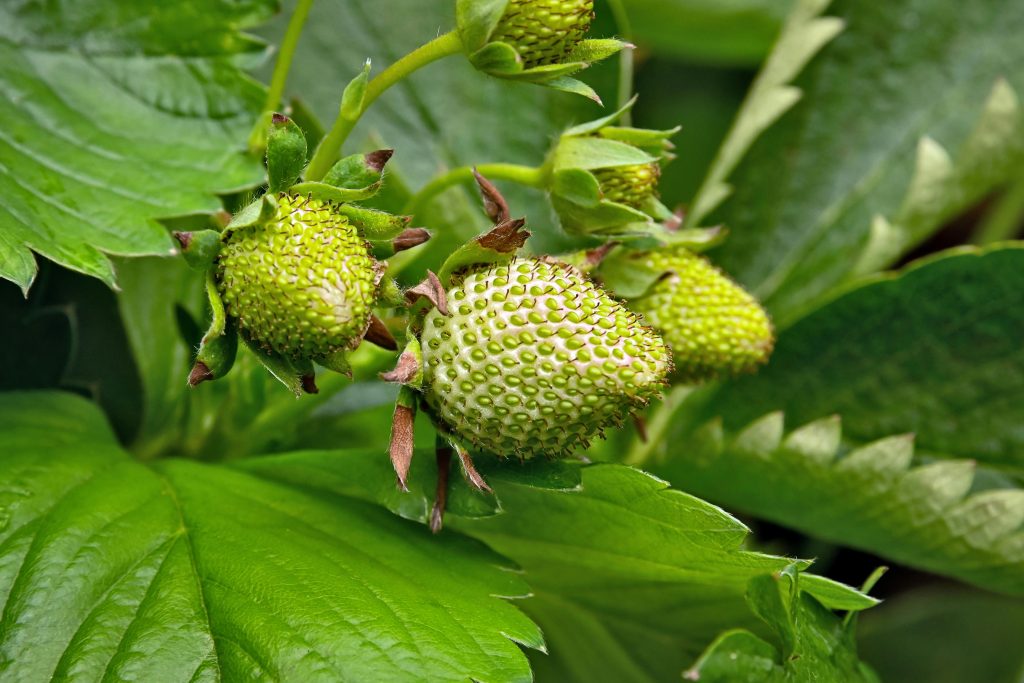
The third number on the label tells you about potassium, and potassium does a lot for a plant’s wellbeing. It controls how much water the plant takes in, makes the walls of its cells stronger, helps it fight off illness, and even makes produce taste better and last longer when you keep it. If a plant isn’t getting enough potassium, you’ll likely see older leaves get brown or look burnt around the edges. Potassium is especially important to root vegetables like potatoes, carrots, beets, and to anything you get fruit from, such as tomatoes or peppers, while they are growing and producing fruit.
How to Choose the Right NPK Ratio
Instead of just going with what’s generally suggested, the best way to choose fertilizer is to look at what your soil actually needs. If your soil test says you have enough phosphorus and potassium, but not much nitrogen, you’ll want a fertilizer with a lot of nitrogen (blood meal 12-0-0 or ammonium sulfate 21-0-0 are options) and not a ‘all in one’ one that will give you phosphorus and potassium when you don’t require them. When your soil is lacking in all three main nutrients, a fertilizer with equal amounts of each, like 10-10-10, or a compost based fertilizer which gives a reasonable amount of all three, is a good choice. If you haven’t had your soil tested, a standard organic fertilizer with a reasonably balanced NPK ratio – something like 4-4-4 or 5-5-5 – is a pretty safe bet and won’t lead to an overload of any one nutrient.
Key Takeaway
Those three NPK numbers you find on all fertilizer packaging tell you what percentage of the fertilizer is nitrogen (which helps leaves grow), phosphorus (for good roots and lots of blooms), and potassium (for the plant to be strong and resist illness). You’ll get much better results by using a fertilizer with a ratio of these three things that fits what your particular plant needs, and what your soil already has in the way of nutrients; and a soil test is the best way to find out what your soil has. Lots of nitrogen is good for leafy plants, but it can mean you get fewer fruits or vegetables. Phosphorus is often used in home gardens more than necessary, so only add it if a soil test says you’re actually short on it. If you don’t know anything about your soil, a fertilizer that’s fairly equal in nitrogen, phosphorus and potassium and is organic is the most reliable option.