
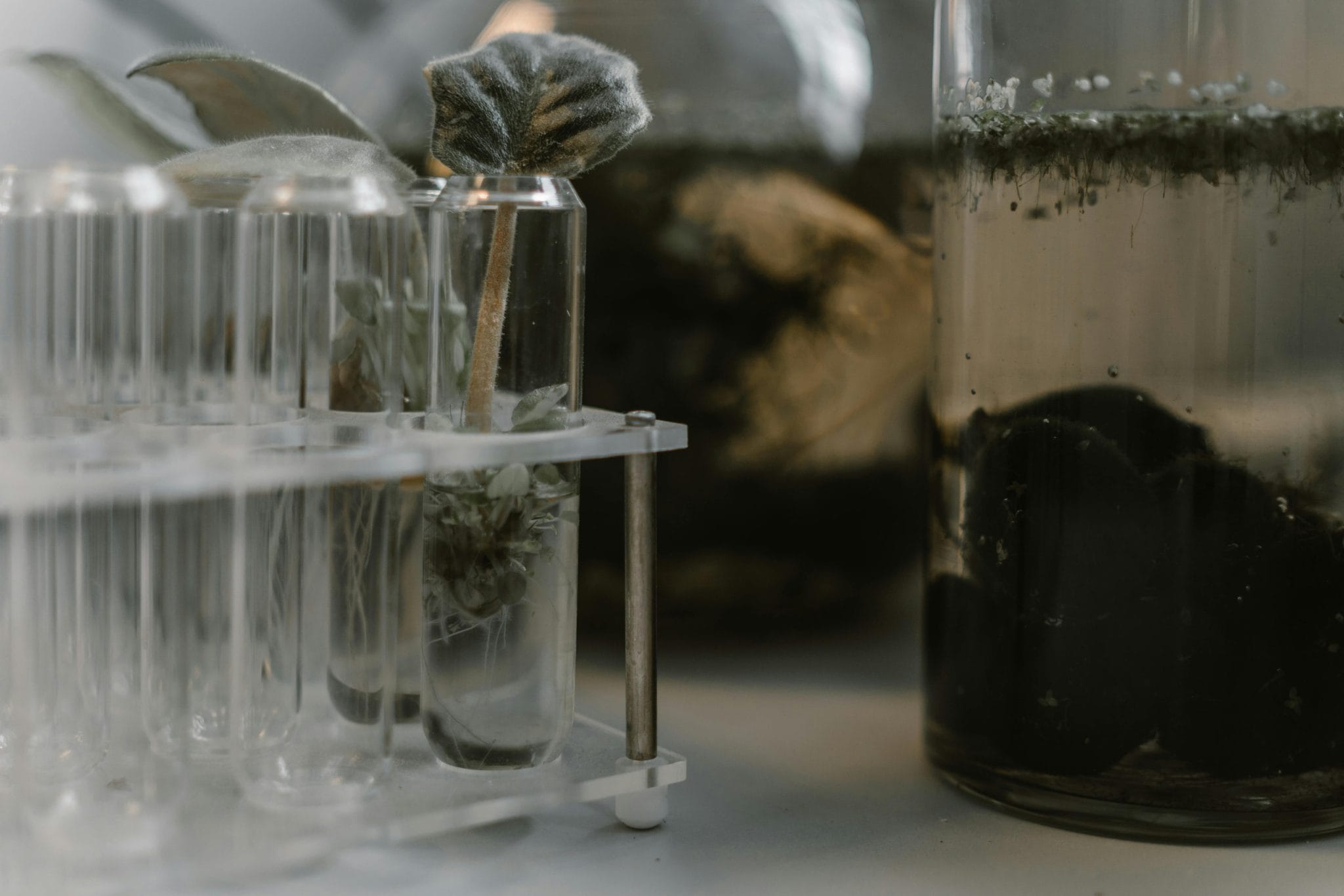
Most home gardeners don’t use them, but professional soil tests are amazingly valuable. They typically cost between fifteen and thirty dollars, which isn’t much when you think about how much one bag of plant food can be. A soil test will give you a very accurate reading of your soil’s pH, how much of each important plant food it holds (nitrogen, phosphorus, potassium, calcium, magnesium and the trace minerals plants need), how much organic material is in it, and very often, it will even tell you what kind of plant food to use for the things you’re hoping to grow. Without these details, applying fertilizer is mostly just a shot in the dark. And studies have repeatedly shown that if you guess at fertilizing, you’ll either not give the plants enough (and they won’t grow well) or give them too much (which is a waste of your money and could harm the life in your soil and any water sources close by).
Credit: Paula Lira / Pexels
How to Collect a Representative Soil Sample
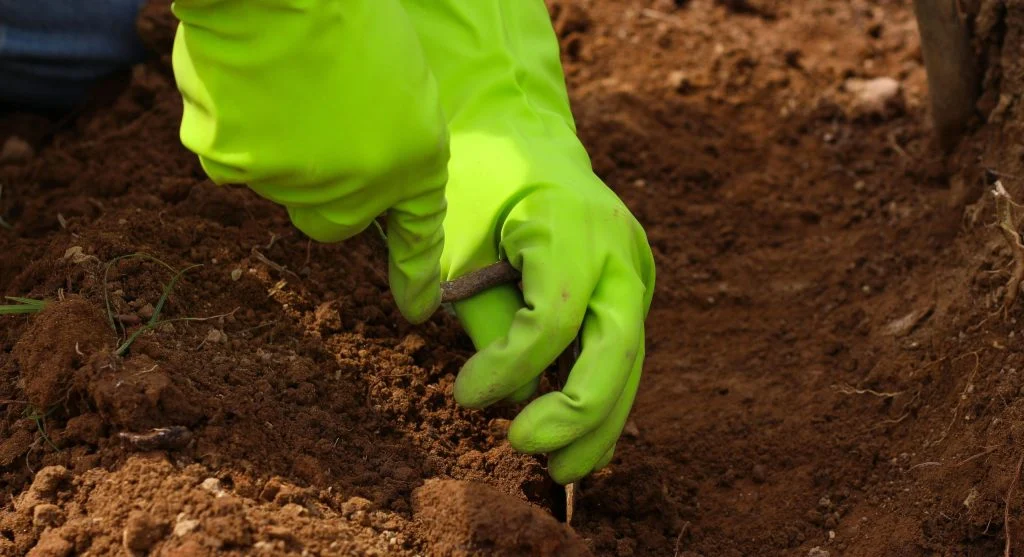
How well a soil test works comes down to how good the soil you send in is. Most agricultural advisors suggest getting bits of soil from lots of places in the garden you want to check, generally five to ten spots. Use a clean trowel or soil probe to get these bits from six to eight inches down. You then thoroughly mix these smaller samples in a clean bucket to make one larger sample that shows the average soil condition for the whole garden. Put about a cup of this mixture into a clean container, or the bag the lab sent. If sections of your garden look noticeably different in terms of soil, are managed differently (for example, the lawn and the vegetable garden), or you’re going to grow plants with very different feeding requirements, you need to send in a separate sample for each of those areas.
When and How Often to Test
Before you plant anything in a new garden, you really should get the soil tested. This gives you a starting point to understand what’s already going on in your ground and will point out anything you need to fix right away. For gardens you’ve had for a while, testing every couple of years or so is a good idea; this way you can see how the pH and the amounts of goodness in the soil are changing. Fall is the perfect time to send in your samples, because then lime, sulfur, or any particular food for the plants the test suggests have plenty of time to mix with the soil before you start growing in spring. Plus, the soil testing services from your county extension office or the soil labs at most state universities aren’t expensive and you’ll usually have your results in fourteen to twenty one days.
The Money-Saving Argument for Testing
Lots of gardeners don’t bother testing their soil, and because of this they end up buying plant food that their soil doesn’t really require, so they are effectively throwing money away on stuff the soil already has enough of. Phosphorus is a typical example: in many gardens in older neighborhoods, there’s already a lot of phosphorus in the soil, built up over time from fertilizers, things for the lawn, and rotting leaves and plants. Putting on more phosphorus isn’t just a waste of money, it can also get in the way of the plant taking up iron and zinc, and this causes the plant to show the signs of lacking iron and zinc, which makes the gardener try to fix it with even more treatments. A soil test stops this from happening. It tells you exactly what the soil needs, and just as importantly, what it doesn’t, so you’ll only spend on things that will noticeably improve your garden.
Credit: Daniel Dan / Pexels
Key Takeaway
Getting your soil professionally tested (and it will be between $15 and $30) will tell you how acidic or alkaline it is (its pH), how many nutrients are in it, and exactly what you should add to it to help your plants – which takes all the uncertainty out of deciding what fertilizer to use. The pH of your soil is the most important thing to know; even if the soil has plenty of nutrients, your plants can’t use them if the pH isn’t right for them to get to the roots. To get a good picture of your whole garden, take samples from several places, mix them together, and ideally get this test done every couple of years, preferably in the autumn. That way, you’ll only spend money on things that will really make your plants grow better.