How to Start a Compost Pile That Actually Works-A Straightforward Beginner’s Guide
Gardeners often refer to compost as “black gold,” and with good reason. It’s what happens when you change food leftovers, bits from the garden, and other natural stuff into a lovely dark, crumbly addition to your soil. Once it’s finished, compost makes the soil itself better, provides nutrients to plants slowly, helps sandy soil hold water, improves drainage in heavier clay soil, and supports the helpful little creatures in the earth that are vital to keeping soil healthy for a long time. However a lot of people who could compost don’t begin, as they believe it’s tricky, unpleasant smelling or will take too long. In truth, once you grasp the main ideas, composting isn’t much work at all.
Soil experts are keen to point out that you don’t need to follow a strict set of instructions for composting. It’s a natural breakdown of things, and it’ll happen with or without our help. If you simply leave a heap of natural materials in the garden, it will eventually turn into compost, even if you do nothing with it. We can just make that happen much faster, from years to months, by giving the organisms that do the breaking down exactly what they need to work at their best.
The Two Ingredients: Browns and Greens
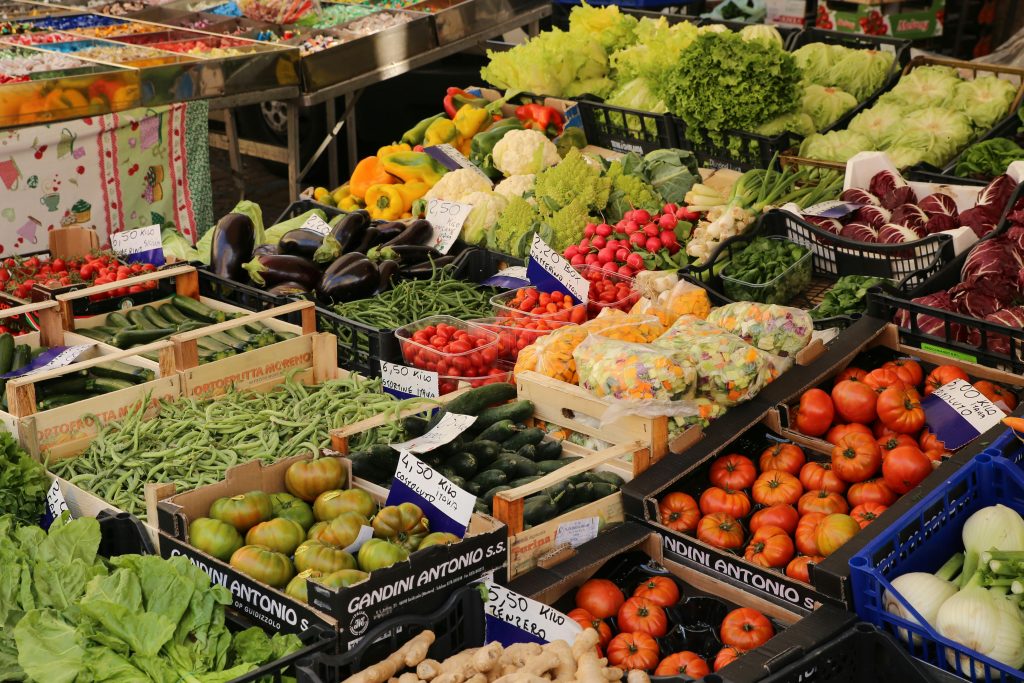
Your compost heap will do best with two types of stuff in it: things with lots of carbon, called “browns” and things with lots of nitrogen, called “greens”. Browns are things like dried leaves, straw, shredded cardboard, newspaper, wood chips, and dead, dry plant stems. For greens, you can use freshly cut grass, bits of fruit and vegetables from the kitchen, coffee grounds, fresh garden waste, and manure from animals like chickens, horses, rabbits, or cows (but definitely not from dogs or cats). You should have about three times as much ‘brown’ material as ‘green’ when you mix it up. This 3 to 1 proportion gives the bacteria that are breaking everything down the right amount of carbon and nitrogen so they can work efficiently and the pile won’t smell bad like they sometimes do if they’re not looked after properly.
Building the Pile
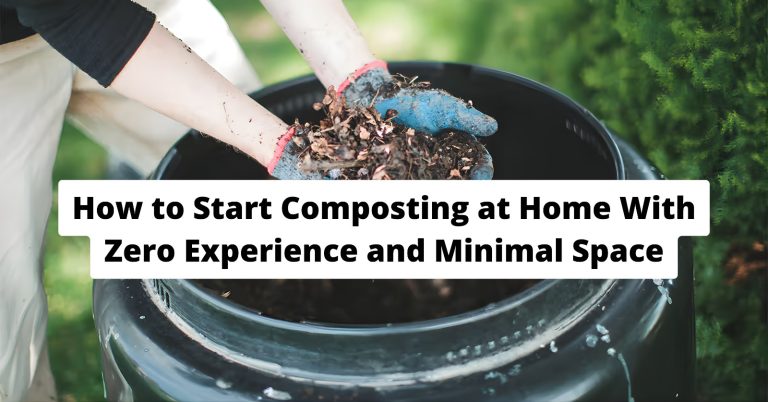
You can have a compost pile in a lot of different ways, from a basic heap just sitting in a yard corner, to something you buy like a rotating tumbler or a three-sectioned system. For a pile to get hot enough inside to break down stuff really well, it needs to be about three feet in all directions. If it’s smaller, it won’t get and stay at those hotter temperatures (130 to 160 degrees Fahrenheit) which speed up the rotting and get rid of weed seeds and anything causing plant disease.
When you’re making the pile, build it up with layers on top of each other. First a six inch layer of ‘browns’, then a two inch layer of ‘greens’, and keep repeating this until it’s as high as you want it. Wet each layer as you add it. Once it’s done, the whole pile should be damp all the way through, like a sponge squeezed of water. Also, beginning your pile on the earth, rather than on something like concrete or plastic, allows worms and good bugs in the soil to move up into the pile from below.
Managing the Pile: Turning and Moisture
If you just leave a compost pile alone, which is sometimes called “cold composting” or letting it happen on its own, it will eventually become good compost, though you’re looking at a wait of possibly a year or even two. However, if you turn it with a garden fork every two to four weeks you will speed things up a lot because this gets oxygen to the bacteria that need it for breaking everything down. In fact, with regular turning, you can have usable compost in only two to four months when the weather is warm. You also need to check how wet the pile is from time to time. If it’s dry, add water. If it is too soggy and smells bad, mix in lots of browns, like leaves or cardboard, to soak up the extra water and get the oxygen-loving bacteria working again.
What Not to Compost
You shouldn’t put some things in your home compost bin as they’ll bring in animals, smell bad or include germs. Things like meat, fish, dairy and cooked food that has fats or sauces on it will get rats and smell really potent as they rot. Similarly, poo from dogs and cats can have nasty bugs and germs that won’t die in a normal compost heap. If your compost doesn’t reliably get over 140°F, don’t add plants that are sick; at that heat most of what’s making the plant ill will be destroyed. And if you don’t have a very hot compost pile, leave out weeds that have made seeds, because those seeds are likely to live through the composting process and then be distributed to your garden.
How to Know When Compost Is Finished
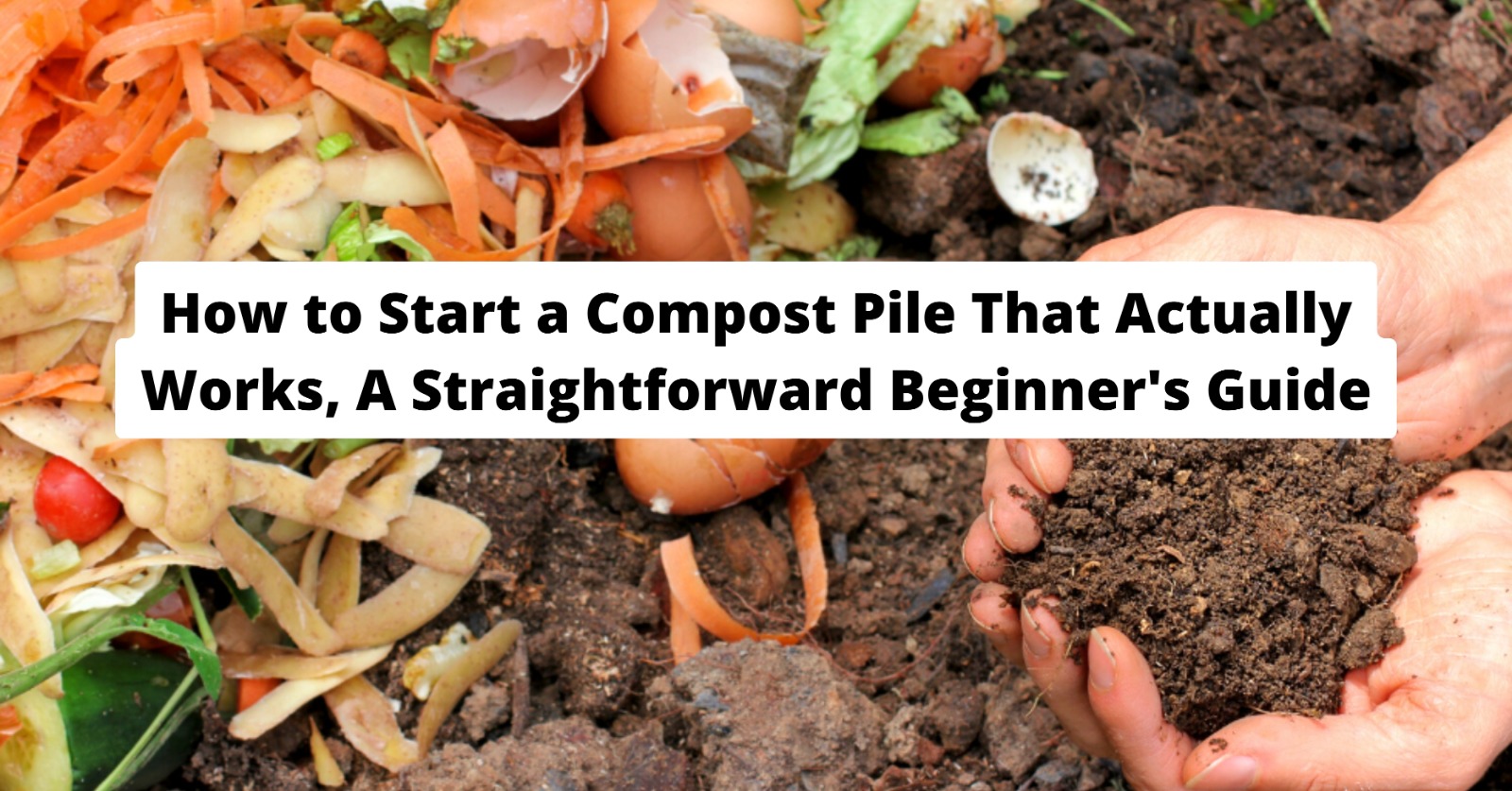
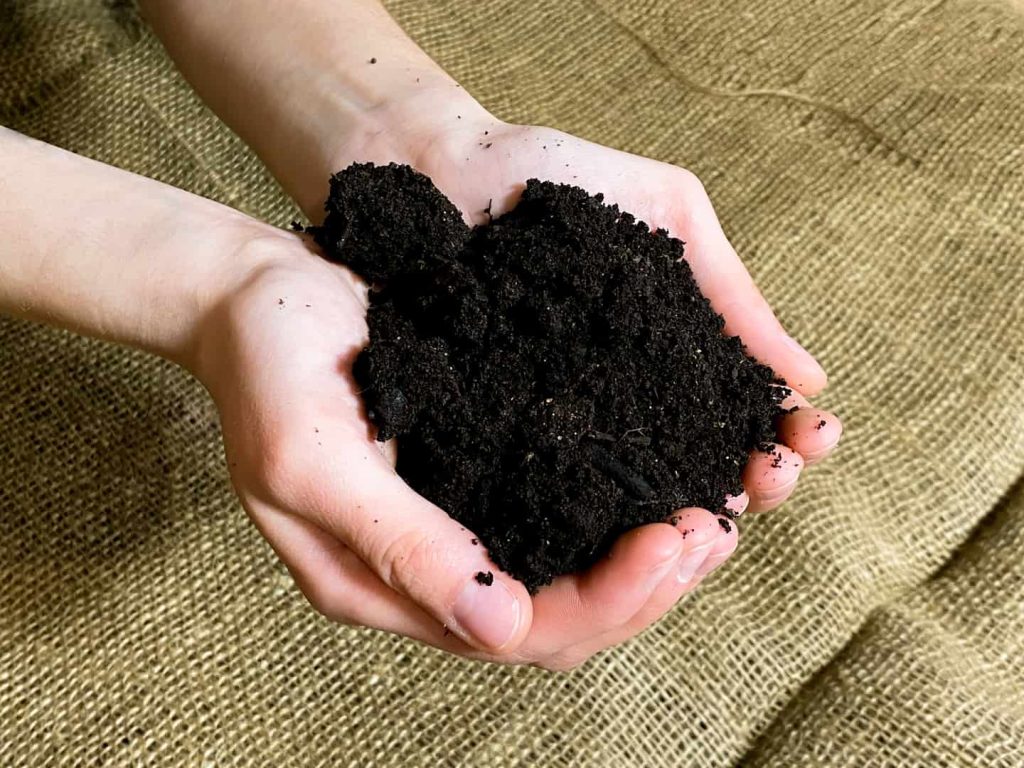
Good compost is a dark brown or black color, easily falls apart in pieces, and has an earthy scent like you’d find in a forest. You shouldn’t be able to pick out what things originally went into it, so you won’t see whole leaves, bits of food, or plant stalks. If you can still tell what things are, it needs a bit longer to finish, or needs to be turned over more. Once it’s ready, you can spread it over your garden beds in a layer one or two inches thick, dig it into the hole when you’re planting, add it to the soil you use for pots, or make compost tea to water your plants with. And because it’s compost, not artificial plant food, it won’t harm your plants and you can use a lot of it safely.
Key Takeaway
Composting happens naturally and needs just a few things: about three times as much carbon-rich “brown” material as nitrogen-rich “green” material, plenty of water, and air. If your compost heap is at least three feet wide, three feet long and three feet high, and you turn it frequently, you’ll get usable compost in two to four months. Leave it to happen by itself and it will take a year or two. Don’t put in meat, dairy, animal poo or anything from plants that are sick – otherwise it will smell and could be unsafe. Once it’s done, the compost is the best thing a gardener can add to their garden soil.