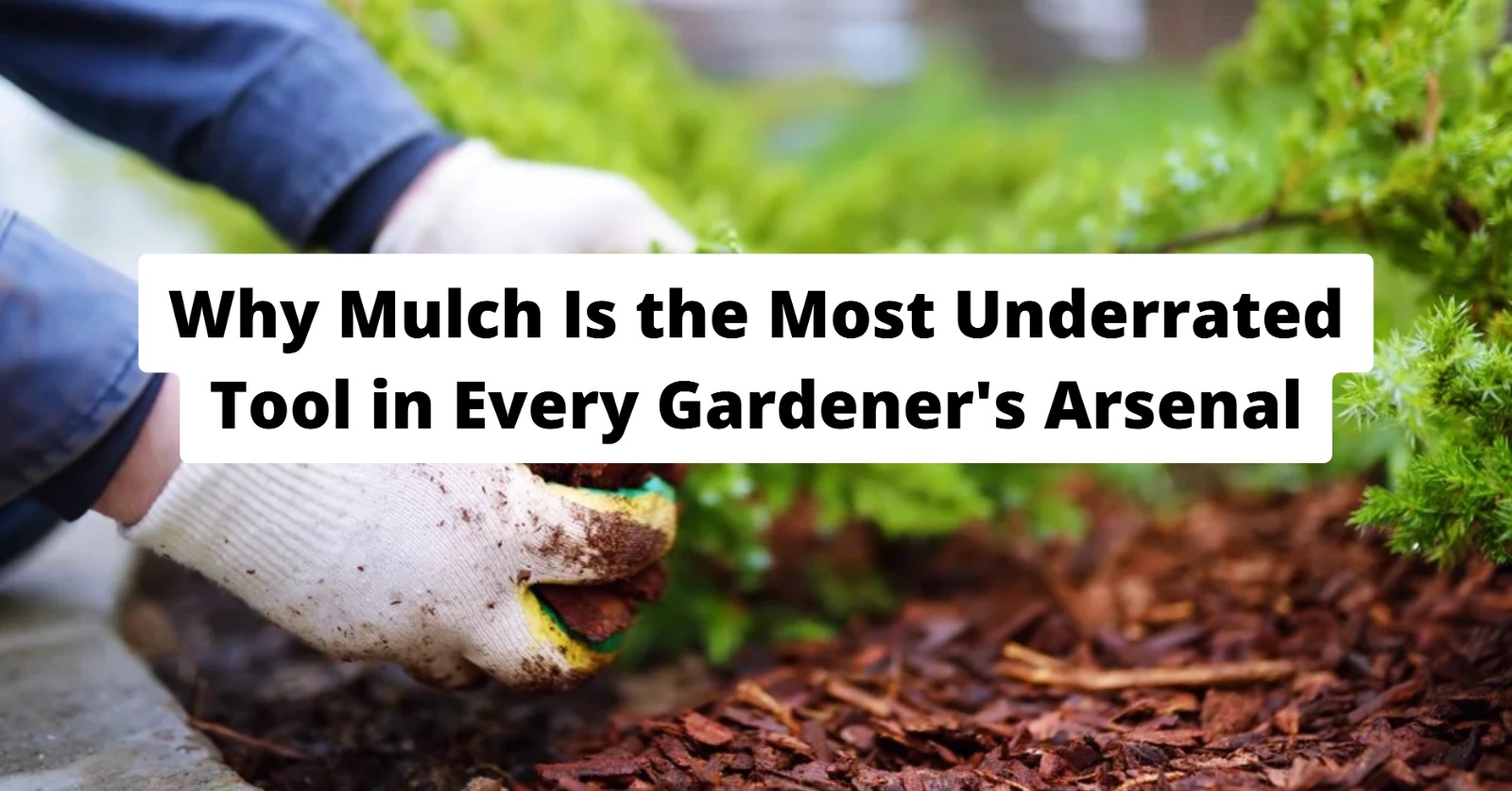
Why Mulch Is the Most Underrated Tool in Every Gardener’s Arsenal
Any one gardening technique that stopped weeds, saved water, kept the soil at a good temperature, stopped soil from washing away, lessened plant illness and provided food for the life in the soil all at once and with very little work after you’ve done it, would be something all sensible gardeners would do. Mulching is that technique. However, even though gardeners who have been doing it a long time know it’s crucial, most people growing vegetables at home either don’t mulch at all, or don’t use enough to do any good. This difference between how great mulching is and how few people actually do it is a huge, overlooked chance to improve growing food in your garden.
How Mulch Suppresses Weeds
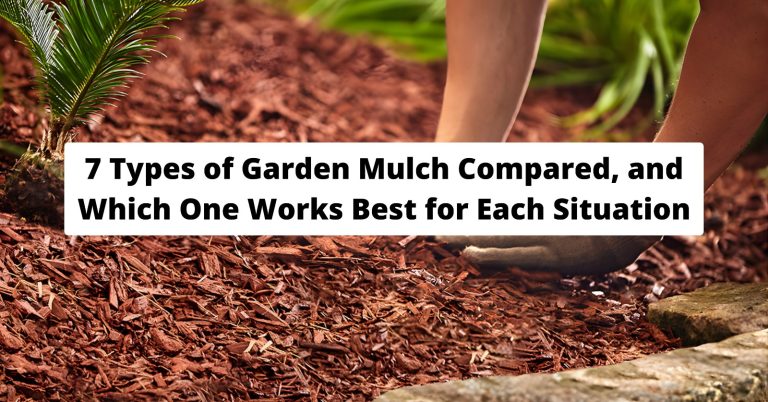
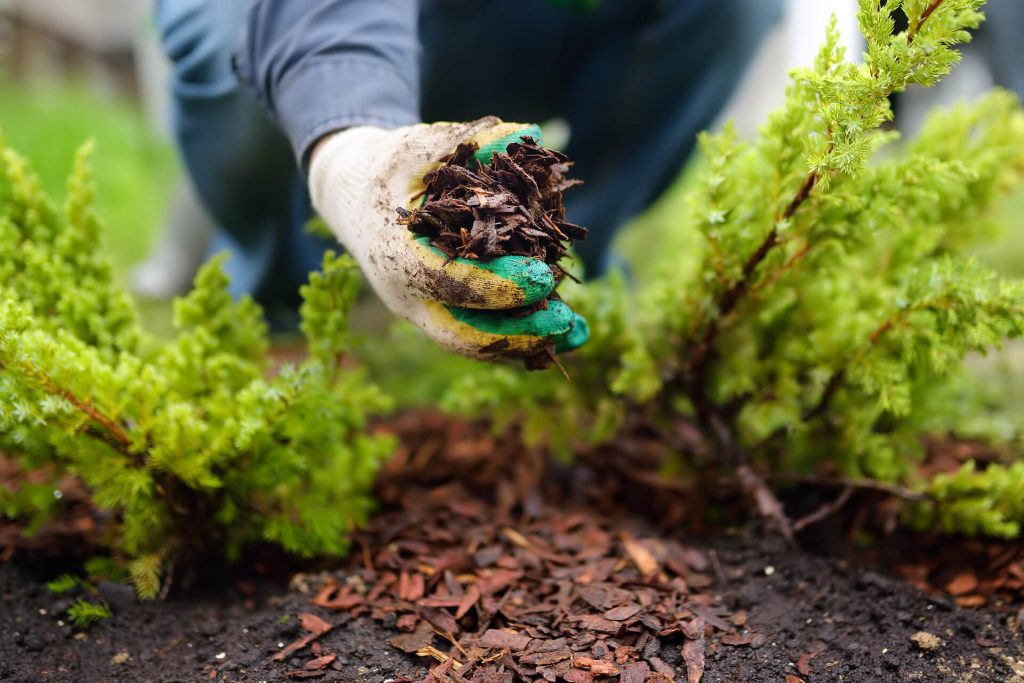
If you put a three or four inch layer of natural mulch on the soil, it stops sunlight from getting to weed seeds lying on top of the soil and this stops most of them from starting to grow. Any weed seeds that actually do manage to start growing through the mulch become pale and flimsy and are very easy to pull out. University studies (done by many agricultural departments) show that with enough depth of mulch, you get seventy to ninety percent fewer weeds coming up than if the soil was uncovered. So for people gardening at home, this means a huge cut in the time you spend getting rid of weeds, and what was usually a weekly job can become a quick, five minute check every now and then.
Water Conservation and Temperature Regulation
If you put a three or four inch layer of natural mulch on the soil, it stops sunlight from getting to weed seeds lying on top of the soil and this stops most of them from starting to grow. Any weed seeds that actually do manage to start growing through the mulch become pale and flimsy and are very easy to pull out. University studies (done by many agricultural departments) show that with enough depth of mulch, you get seventy to ninety percent fewer weeds coming up than if the soil was uncovered. So for people gardening at home, this means a huge cut in the time you spend getting rid of weeds, and what was usually a weekly job can become a quick, five minute check every now and then.
Choosing the Right Mulch Material
For a vegetable garden, straw is the usual choice for mulch (and it’s not like hay, which has weed seeds in it!). It’s cheap, you can get it almost anywhere, it’s simple to spread, and it does all the good things we’ve talked about. Most people can get shredded leaves for nothing and they’re fantastic as mulch, but they break down quicker than straw, so you might need to add more during the season. Wood chips are good on paths and with plants that come back every year, but don’t put them in the soil with annual vegetables; as they rot, they’ll hold onto nitrogen for a while. If you have a lawn you don’t treat with anything, you can use the cut grass as mulch, but only in thin layers of an inch or two at a time. If the layer is too thick it will flatten and get gooey, and won’t let air in. Finally, pine needles are brilliant for plants like blueberries and strawberries that like acidic soil.
When and How to Apply Mulch
Once your soil has warmed up in the spring, generally about two or three weeks after you’ve planted things like tomatoes or peppers, you should put down mulch and keep it there all season. If you mulch over still-cold soil, it will take longer for the ground to warm up and your plants won’t grow as quickly. For most natural mulches, it should be three or four inches thick, but move it one or two inches away from the actual plant stem so the stem doesn’t get too damp and start to rot. Throughout the summer as the mulch breaks down, you can add more to keep that useful three or four inch layer. Then at the end of the growing season you can dig the mulch that’s partially broken down into the soil, or just leave it on top of the soil to protect it during the winter and continue to improve the soil during the months when nothing is growing.
Key Takeaway
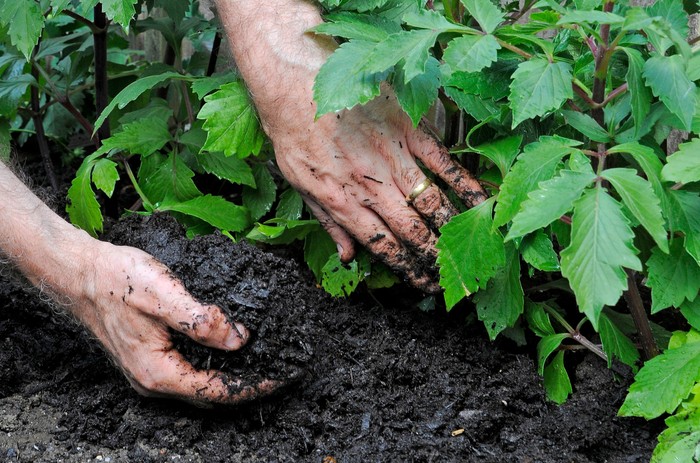
Putting down a 3 or 4 inch thick layer of mulch made from natural materials really gets rid of most of the weeds (between 70 and 90 percent of them, in fact), lessens how often you have to water by a quarter to half, keeps the soil at a better temperature, stops dirt that has diseases on it from splashing onto plants, and as it breaks down, it provides food for all the living things in the soil. For most home vegetable patches, the best mulches to use are straw, broken up leaves, or wood chips (wood chips are great for paths). If you put the mulch on after the soil has warmed up in the springtime, and make sure there’s enough of it all season, the advantages build on each other, meaning you’ll do less work in the garden overall and your plants will be healthier and give you more to harvest.