
Every spring, gardeners face the same familiar question while sorting through old seed packets: are last year’s seeds, or the ones from three years ago tucked in the back of a drawer, still worth planting? Seed viability declines over time, but the rate varies widely depending on the plant species and how the seeds were stored. Some seeds can remain viable for a decade or longer, while others lose their ability to germinate within a single year. Planting dead seeds can waste weeks of valuable growing time, especially for crops with long maturity periods that need an early start. A simple germination test, done indoors in less than two weeks, shows exactly which seeds are still worth planting and which should be replaced.
The Paper Towel Germination Test
The standard seed viability test is simple and requires only a paper towel, a sealable plastic bag, and water. Moisten the paper towel until it is fully damp but not dripping. Place 10 seeds of the variety being tested on one half of the towel, spacing them so they do not touch. Fold the other half of the towel over the seeds, then slide the folded towel into a sealable plastic bag, leaving the bag slightly open for air exchange. Place the bag in a warm spot, ideally between 70°F and 80°F, away from direct sunlight.
Check the seeds every two to three days and re-moisten the paper towel if it starts to dry out. After the number of days listed on the seed packet as the expected germination time, usually 5 to 14 days depending on the species, count how many seeds have produced a visible root or sprout.
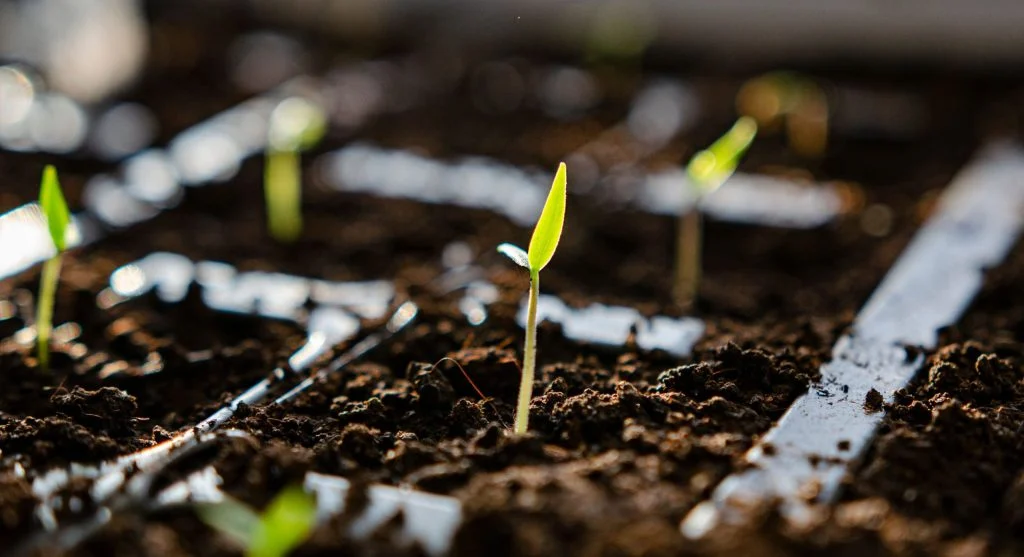
Reading the Results
The number of seeds that germinate out of 10 gives the germination percentage. If 8 out of 10 seeds sprout, the germination rate is 80 percent, which is excellent for most gardening purposes. If 5 out of 10 sprout, the rate is 50 percent. Those seeds are still usable, but the gardener should sow about twice as thickly as usual to make up for the lower germination rate. If fewer than 3 out of 10 germinate, meaning the rate is below 30 percent, the seeds are unreliable and should be replaced with fresh stock.
Fresh, properly stored seeds of most vegetable species should usually test at 80 to 95 percent germination. Rates below 70 percent show that the seeds have lost a significant amount of viability.
How Long Seeds Actually Last
Seed longevity varies greatly by species. Onion, parsley, and parsnip seeds are known for being short-lived. Their germination rates decline sharply after just one year, and two-year-old seeds of these crops often test below 50 percent. Tomato, pepper, and brassica seeds can keep good viability for four to five years when stored properly. Bean, squash, cucumber, and melon seeds may remain viable for five to eight years.
Lettuce seeds are more variable. Some varieties lose viability after two to three years, while others remain strong for five years. These timelines assume proper storage in cool, dry, dark conditions, usually around 35°F to 50°F. Seeds kept in hot, humid places, such as a garden shed, car trunk, or damp basement, lose viability much faster than these general guidelines suggest.
Maximizing Seed Storage Life
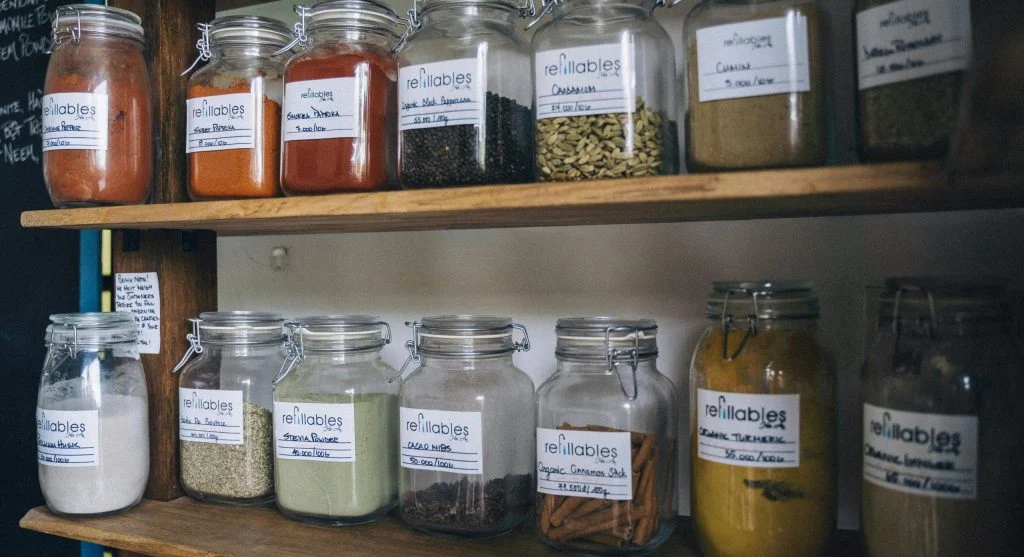
The two biggest enemies of seed viability are moisture and heat. Seeds stored in airtight containers, such as glass jars with tight lids or resealable bags with the air removed, last much longer when kept with a packet of silica gel desiccant in a refrigerator at 35°F to 40°F. This setup helps maintain maximum viability for as long as possible.
Seeds stored at room temperature in open envelopes, which is the most common home storage method, lose viability two to three times faster than refrigerated seeds. Labeling every container with the variety name and the date acquired also prevents the yearly guessing game about how old the seeds really are.