
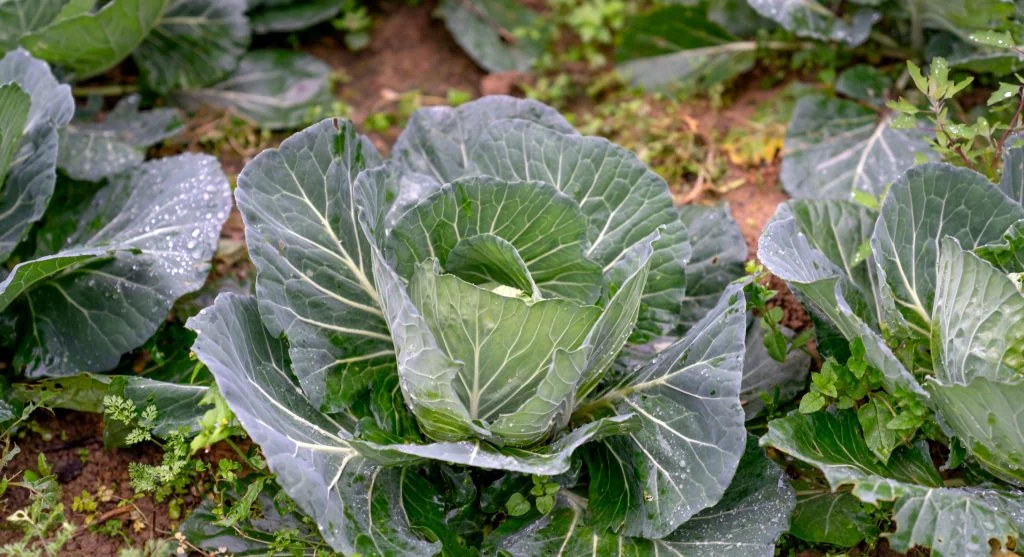
Those small white butterflies fluttering around your broccoli, cabbage, kale, or cauliflower may look harmless, but they’re one of the most common pests in the vegetable garden. Known as cabbage white butterflies (*Pieris rapae*), they lay tiny yellow eggs on the undersides of brassica leaves. Within a few days, those eggs hatch into green caterpillars called imported cabbageworms.
Once they begin feeding, cabbageworms can quickly chew ragged holes through leaves and even tunnel into broccoli and cauliflower heads, making harvests less appealing and sometimes unusable. For gardeners growing brassicas, these caterpillars are an almost unavoidable seasonal challenge. Fortunately, they can be managed effectively without relying on chemical pesticides.
Floating Row Covers: The Best Way to Prevent Damage
The easiest and most reliable way to stop cabbageworms is to prevent butterflies from reaching your plants in the first place. Floating row covers placed over brassica crops immediately after transplanting create a physical barrier that blocks adult butterflies from laying eggs. Secure the edges with soil, rocks, or landscape staples so insects cannot crawl underneath.
Because vegetables like broccoli, cabbage, kale, and cauliflower are harvested for their leaves or flower heads rather than their fruit, they don’t require insect pollination. That means the row cover can stay in place throughout the growing season without affecting production. By preventing egg-laying altogether, floating row covers eliminate the entire cabbageworm life cycle before it begins.

Inspect Plants and Remove Eggs by Hand
If you prefer growing without row covers, regular inspections become the next best defense. Every two or three days, check the undersides of brassica leaves for tiny yellow eggs. Crushing or removing them before they hatch prevents future feeding damage.
If caterpillars are already present, simply pick them off by hand and place them into a container of soapy water. Because cabbageworms blend in remarkably well with green foliage, examine plants carefully. Pay close attention to the central leaf veins and curled leaf edges, where caterpillars often hide during the day.
Use Bt for Targeted Caterpillar Control
One of the safest biological controls available for cabbageworms is **Bt** (*Bacillus thuringiensis* var. *kurstaki*).
Bt is a naturally occurring soil bacterium that produces proteins specifically harmful to caterpillars. Once cabbageworms eat treated leaves, they stop feeding and die within one to two days.
One of Bt’s biggest advantages is its selectivity. It doesn’t harm bees, ladybugs, earthworms, birds, pets, or people, making it an excellent choice for gardeners who want targeted pest control without affecting beneficial wildlife.
Since sunlight gradually breaks down the active ingredient and rain washes it away, Bt should be reapplied every five to seven days or after significant rainfall to maintain protection.
Encourage Nature’s Own Pest Controllers
Beneficial insects provide another valuable layer of defense.
Flowering herbs such as dill, fennel, and other members of the carrot family attract tiny parasitic wasps like *Cotesia glomerata*. These wasps lay their eggs inside cabbageworm caterpillars, naturally reducing pest populations.
Paper wasps and yellow jackets also help by hunting caterpillars and carrying them away to feed their young.
Creating a diverse garden filled with flowering plants while avoiding broad-spectrum insecticides encourages these natural predators to remain active throughout the growing season.
Combine Methods for the Best Results
No single approach has to do all the work. Many successful gardeners combine several strategies throughout the season. Floating row covers prevent most infestations before they begin, regular inspections catch any problems early, Bt controls active caterpillars when needed, and beneficial insects help keep populations low naturally.
Using these methods together provides reliable protection while maintaining a healthy, balanced garden ecosystem.
Key Takeaway
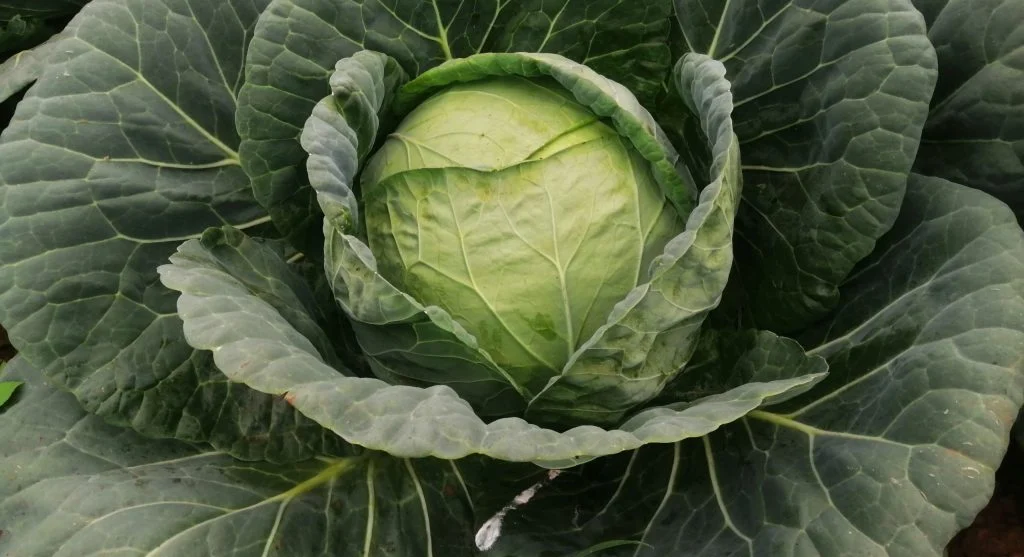
Cabbageworms are one of the most common pests affecting broccoli, cabbage, kale, cauliflower, and other brassica crops, but they can be controlled without chemical pesticides. Floating row covers offer the most effective prevention by keeping cabbage white butterflies from laying eggs. For uncovered plants, regular inspections, hand-removing eggs and caterpillars, applying Bt every five to seven days, and encouraging beneficial insects provide excellent protection. Combining these simple methods helps keep brassica crops healthy, productive, and largely free from cabbageworm damage throughout the growing season.