
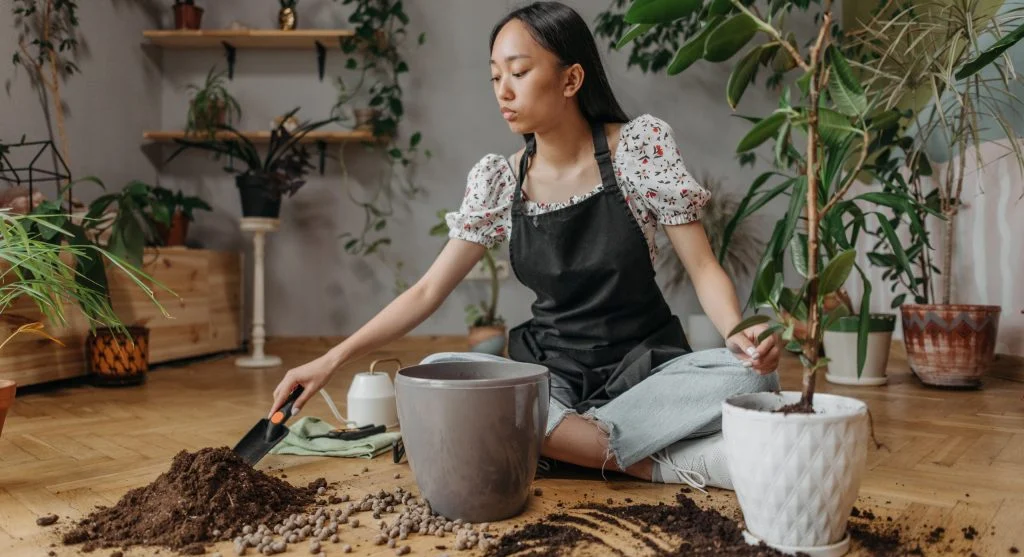
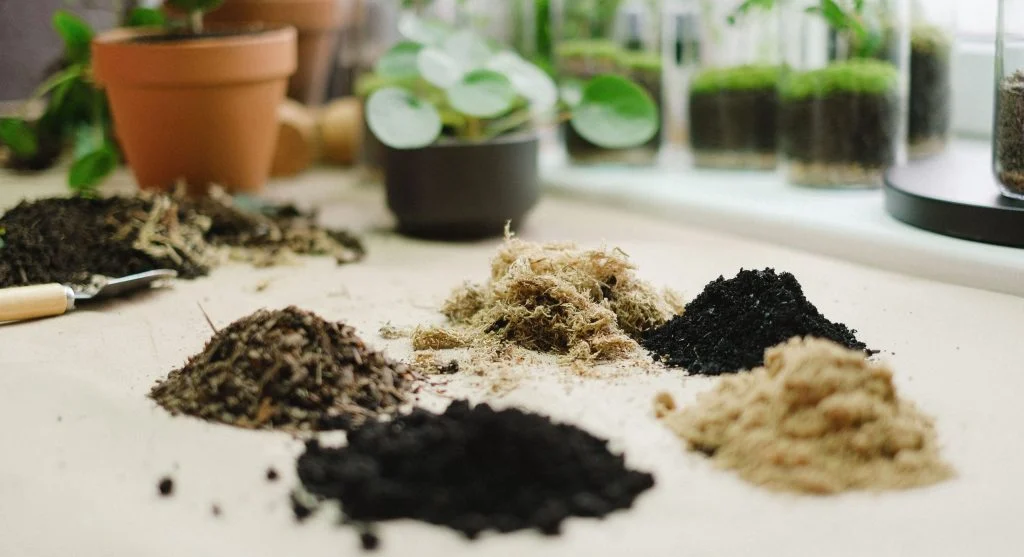
Perlite, vermiculite, and pumice are three of the most widely used mineral amendments for potting mixes, seed-starting media, and garden soils. Gardeners use them to improve drainage, increase aeration, or manage moisture retention, depending on the needs of the plants they are growing. Although all three materials are lightweight, sterile, chemically inert, and pH-neutral, they perform very different jobs in the soil.
They do not supply nutrients, they do not break down over time, and they do not alter soil chemistry. However, choosing the wrong amendment or assuming they can all be used interchangeably—can lead to the opposite of the desired result. A mix may drain too quickly when it should retain moisture, or stay too wet when excellent drainage is essential.
Perlite: The Best Choice for Improving Drainage
Perlite is made from volcanic glass that is heated to around 1,600°F. The intense heat causes it to expand into bright white, lightweight particles that resemble small pieces of popcorn. Its rough, porous texture creates large air pockets throughout the growing medium, allowing excess water to drain away while improving airflow around plant roots.
Unlike vermiculite, perlite absorbs very little water. Instead, moisture flows around the particles rather than being stored inside them. This makes it an excellent choice whenever better drainage is the primary goal.
Perlite is especially useful in potting mixes for succulents, cacti, rosemary, lavender, thyme, and other drought-tolerant plants that require fast-draining soil. For plants that are highly sensitive to excess moisture, gardeners typically mix perlite at a rate of 25 to 50 percent of the total potting medium by volume.
Vermiculite: The Moisture-Retaining Option
Vermiculite is a naturally occurring mineral from the mica family that expands into lightweight, layered flakes when heated to approximately 1,000°F. Its structure creates an enormous amount of surface area, allowing it to absorb and hold three to four times its own weight in water.
Rather than letting moisture drain away quickly, vermiculite stores water and gradually releases it back into the growing medium as it begins to dry. This makes it particularly valuable for seed-starting mixes, where consistent moisture is essential for successful germination.
It also works well for moisture-loving plants such as ferns, calatheas, and African violets, as well as situations where extending the time between waterings is desirable. In addition to retaining moisture, vermiculite can hold certain nutrients on its surface through cation exchange, providing a mild buffering effect that benefits seedlings and young plants.
Because it holds so much water, vermiculite is not suitable for plants that require excellent drainage. Using it with succulents, cacti, or Mediterranean herbs can create overly wet conditions that increase the risk of root rot.
Pumice: A Long-Lasting Structural Amendment
Pumice is a naturally porous volcanic rock formed when gas-rich lava cools rapidly, trapping countless tiny air pockets inside the stone. Unlike perlite, pumice remains stable in the soil for many years without breaking down, compressing, floating, or blowing away.
It provides excellent drainage and aeration while offering greater structural stability than perlite, making it a preferred choice for bonsai soils, permanent container plantings, and raised beds where maintaining soil structure over the long term is important.
Although pumice primarily improves drainage, its porous interior also stores a small amount of moisture, giving it a slight advantage over perlite in water retention while still keeping the soil well aerated.
Its main drawback is availability. In many regions, pumice is more difficult to find and generally costs more than either perlite or vermiculite.
Quick Reference: Choosing the Right Amendment
Each material performs best in specific situations.
* **For seed starting:** Vermiculite keeps the growing medium consistently moist, encouraging reliable germination.
* **For succulents and cacti:** Perlite or pumice provides the rapid drainage needed to help prevent root rot.
* **For tropical houseplants:** A combination of perlite and vermiculite offers a balance between drainage and moisture retention.
* **For raised garden beds:** Pumice provides lasting soil structure because it stays in place without floating or breaking down.
* **For rooting cuttings:** Perlite offers clean drainage and makes developing roots easier to monitor.
* **For moisture-loving plants:** Vermiculite helps maintain steady moisture levels between waterings.
If you’re unsure which material to choose, perlite is generally the safest all-purpose option. Most commercial potting mixes already contain ingredients that retain moisture, so improving drainage usually provides greater benefits than adding even more water-holding capacity.
Key Takeaway
Perlite, vermiculite, and pumice may appear similar, but each serves a different purpose in healthy soil. Perlite improves drainage and aeration, making it ideal for succulents, cacti, herbs, and rooting cuttings. Vermiculite excels at retaining moisture, making it the preferred choice for seed starting and plants that thrive in consistently damp conditions. Pumice combines excellent drainage with long-term structural stability, making it especially valuable for raised beds, bonsai, and permanent containers. Because these materials are not interchangeable, selecting the right one is essential for creating the growing conditions your plants need. When in doubt, perlite remains the most versatile choice for general potting mixes thanks to its ability to improve drainage without holding excess moisture.