
Lavender plants from garden centers usually cost around 8 to 15 dollars each. That can become a noticeable expense when the goal is to plant a row of 10 or 20 lavender plants for a border or hedge. Growing lavender from seed lowers the cost per plant to just pennies, but it does require patience. Lavender seeds germinate slowly, grow slowly, and may take 12 to 18 months from sowing before they reach the size of a nursery transplant. Even with that longer timeline, seed-grown lavender has a clear benefit. Gardeners can grow varieties that are rarely sold as nursery plants, and seed-grown plants create genetically diverse populations, sometimes including individual plants that are better suited to local growing conditions.
Why Lavender Seeds Need Cold Stratification
Lavender seeds have a natural dormancy mechanism that keeps them from germinating until they have gone through a period of cold, moist conditions. This mimics the winter season that would normally come before spring germination in lavender’s native Mediterranean climate. Without this cold stratification period, germination rates are often very low, sometimes below 20 percent.
Artificial stratification can greatly improve germination. This is done by placing the seeds between layers of moist sand or a damp paper towel inside a sealed plastic bag, then keeping them in the refrigerator for four to six weeks before sowing. This process can raise germination rates to around 50 to 70 percent. The stratification period should be included in the planting schedule. Seeds intended for spring sowing should usually go into the refrigerator in January or February.
Sowing and Growing Seedlings
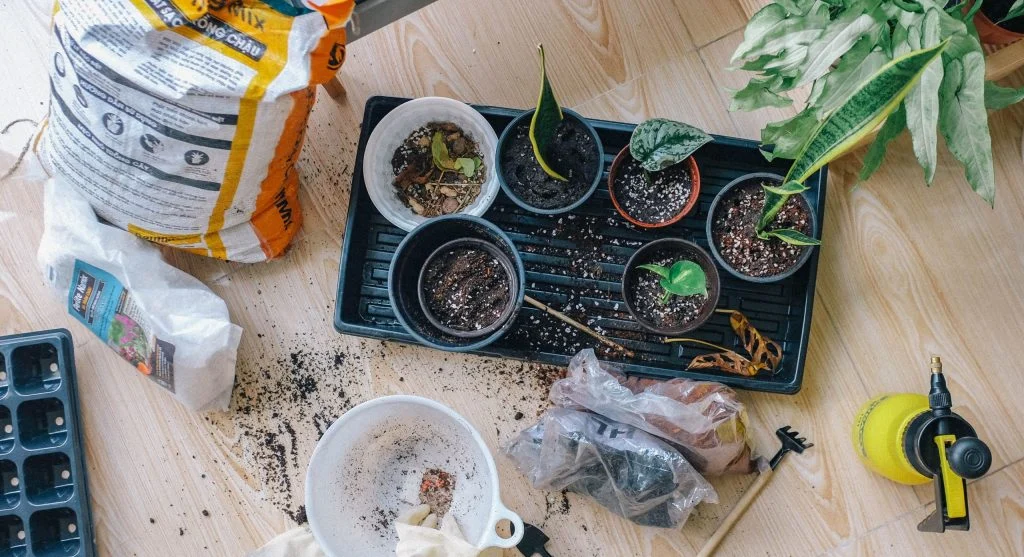
After stratification, lavender seeds should be sown on the surface of a well-draining seed starting mix. They need light to germinate, so they should not be covered with soil. Press the seeds gently onto the moist surface, then cover the tray with a clear plastic dome or plastic wrap. This keeps humidity around the seeds while still allowing light to reach them.
Germination is slow and uneven. The first sprouts may appear in 14 to 21 days, while some seeds may continue germinating over the next four to six weeks. Once sprouts appear, the humidity cover should be removed to help prevent damping off disease. Lavender seedlings are especially vulnerable to this problem in overly wet conditions.
Young lavender plants grow slowly. Reaching transplant-ready size, about three to four inches tall with several sets of true leaves, usually takes three to four months from germination.
Transplanting and Long-Term Care
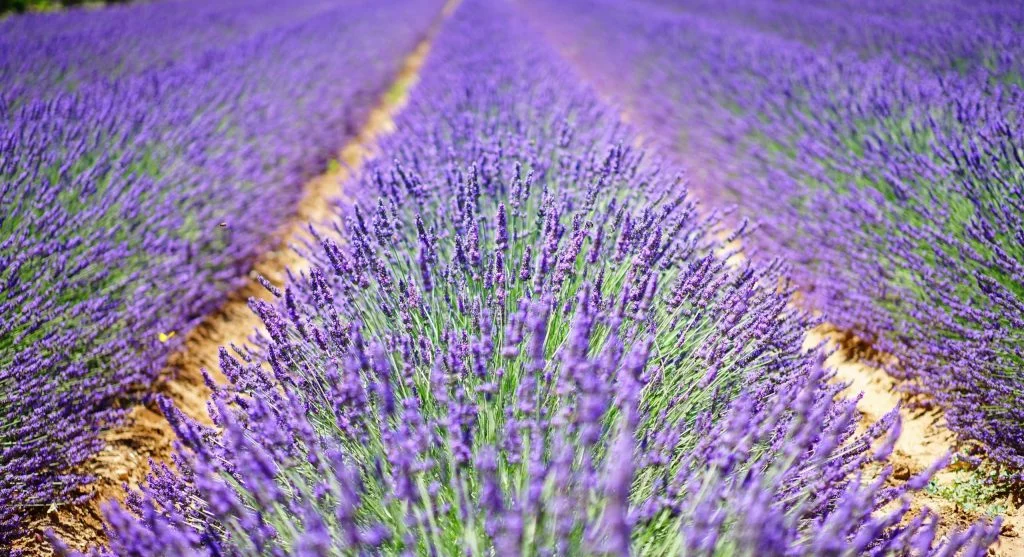
Lavender seedlings should be hardened off and transplanted outdoors after the last frost date. Space them 12 to 18 inches apart in a location that receives full sun and has excellent drainage. Good drainage is essential. Lavender evolved in rocky, fast-draining Mediterranean soils and does not tolerate wet roots.
Heavy clay soil must be strongly amended with gravel or sand, or lavender should be planted in raised beds or mounds where excess water can drain away. Once established, usually by the second year after transplanting, lavender becomes very drought-tolerant and low-maintenance. It mainly needs annual pruning, cutting the plant back by about one-third after flowering, to prevent woody, leggy growth and keep the plant compact and productive.
Seed-grown lavender may not flower during its first year. Most young plants spend that first season building roots and foliage, then begin flowering more reliably in the second growing season. By the third year, a lavender plant started from seed is usually as large and productive as a nursery transplant and can continue producing for 10 to 15 years with minimal care.
Key Takeaway
Growing lavender from seed takes cold stratification, careful sowing, and patience. Seeds need 4–6 weeks in the refrigerator, then should be surface-sown on a well-draining mix where they can receive light. Germination is slow, usually taking 14–21 days, and seedlings may need 3–4 months to reach transplant size. The benefit is cost: seed-grown lavender can cost only pennies per plant instead of 8–15 dollars each. Excellent drainage is essential at every stage. Plants grown from seed usually begin flowering in their second year and can produce reliably for a decade or longer with annual pruning after bloom.