
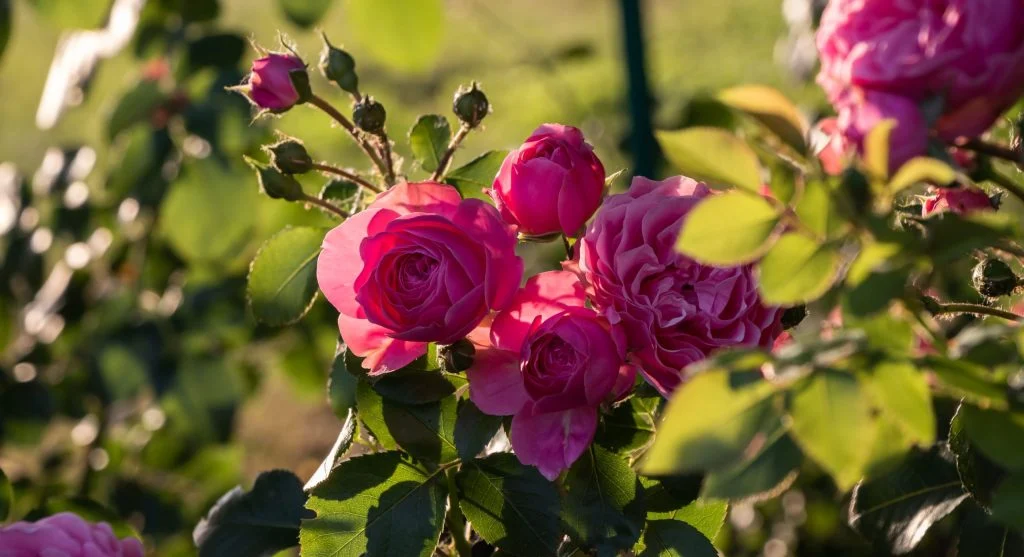
Growing roses from cuttings is one of the simplest and most affordable ways to multiply a favorite rose bush. Every cutting develops into a plant that is genetically identical to the original, allowing gardeners to preserve the exact characteristics they love. A healthy, established rose bush can produce dozens of suitable cuttings each year, and with proper care, each one can grow into a mature, blooming rose within one to two growing seasons.
Unlike the grafted roses commonly sold at garden centers for $15 to $30, roses propagated from cuttings develop on their own root systems. These “own-root” roses do not have a graft union the weakest point on most commercially grown roses which generally makes them hardier, longer-lived, and more resilient. Even if severe winter weather kills the top growth, own-root roses can often regrow from their roots.
When and What to Cut
Late spring through early summer is the ideal time to take rose cuttings. At this stage, the current season’s stems have reached the semi-hardwood phase, meaning they are firm enough to hold their shape while still remaining slightly flexible. The best cuttings come from stems that have recently finished blooming, as the section just below a faded flower is usually at the perfect stage for successful rooting.
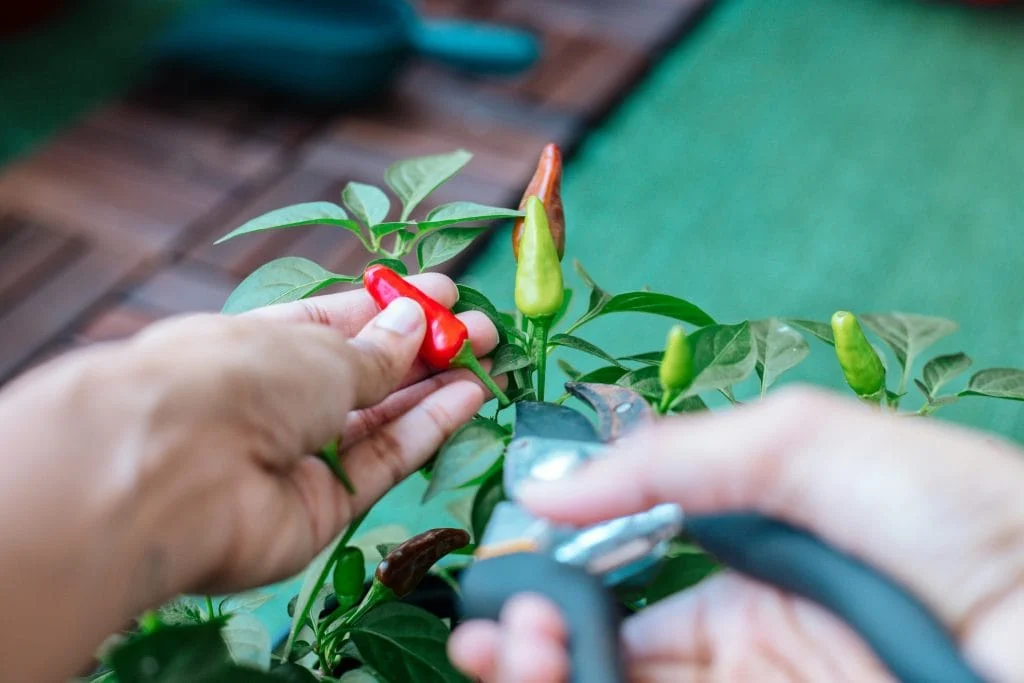
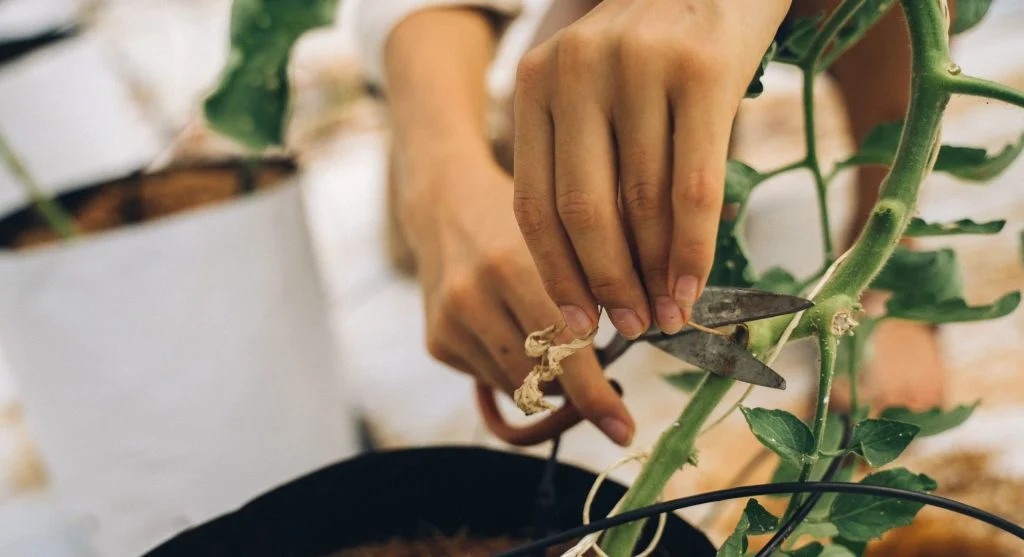
Select a healthy, disease-free stem and cut a section measuring six to eight inches long. Each cutting should contain at least three or four leaf nodes, which are the points where leaves emerge from the stem. Using sharp pruning shears that have been cleaned with rubbing alcohol, make a 45-degree cut just below the lowest node to encourage root development while reducing the risk of spreading disease.
Preparing and Planting the Cutting
Strip the leaves from the lower half of the cutting, leaving only the top two or three leaves in place. This allows the cutting to continue photosynthesis while reducing moisture loss through transpiration. If the remaining leaves are especially large, trim them in half to help conserve even more water.
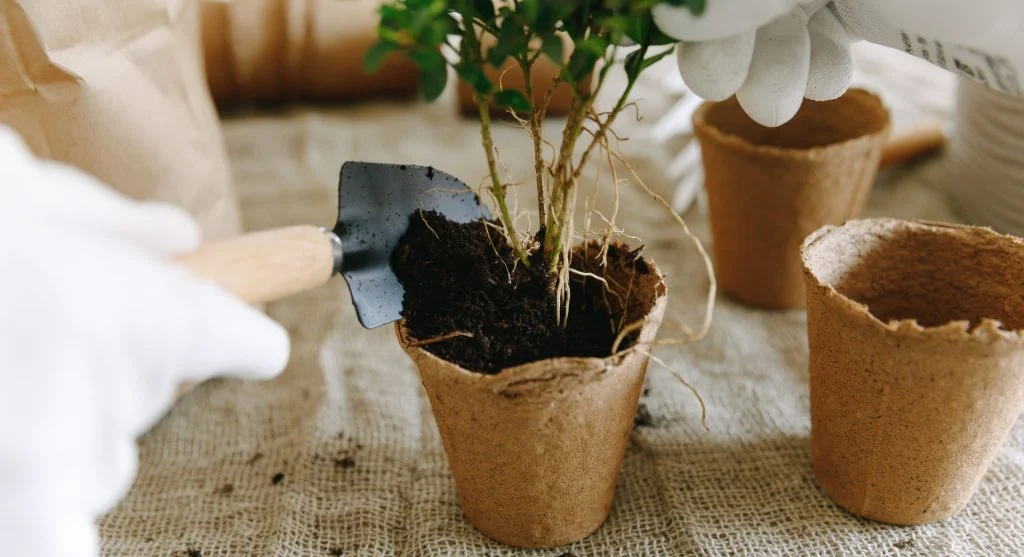
Dip the cut end into powdered rooting hormone, shaking off any excess before planting. Rooting hormone, which is widely available at most garden centers for around $5 to $8, helps encourage faster and more reliable root development. Insert the bottom two to three inches of the cutting into a pot filled with a moist, well-draining rooting medium. A 50/50 mixture of perlite and peat moss works very well, although pure perlite is also an effective choice. Gently firm the medium around the stem so it stays securely in place.
Next, cover the pot with a clear plastic bag supported by small stakes or sticks so the plastic does not touch the leaves. This simple humidity chamber keeps moisture levels close to 100 percent, giving the cutting the humid environment it needs while new roots begin to form. Place the container somewhere with bright, indirect light, avoiding direct sunlight that could overheat the enclosed space. Every few days, open the plastic bag for 15 to 30 minutes to allow fresh air to circulate and reduce the risk of mold. If the rooting medium begins to dry, lightly mist it to maintain consistent moisture.
Rooting Timeline and Transplanting
Most rose cuttings develop roots within four to eight weeks, although some varieties naturally take a little longer. One of the earliest signs of successful rooting is the appearance of fresh new leaves at the tip of the cutting. This new growth indicates that roots have developed well enough to supply the water and nutrients needed to support the plant.
Another simple way to check is by gently tugging on the cutting. If you feel slight resistance, roots have likely formed beneath the surface.
Once the cutting is producing steady new growth, begin removing the plastic cover gradually by opening it a little more each day over the course of about a week. This helps the young plant slowly adjust to normal humidity levels without unnecessary stress. After it has been hardened off to outdoor conditions, the rooted cutting can be transplanted into a larger container or planted directly into the garden.
Own-root roses grown from cuttings usually reward gardeners with their first blooms within one to two growing seasons after rooting.
Key Takeaway
Rose cuttings taken from semi-hardwood stems just below spent flowers in late spring can successfully develop roots when treated with rooting hormone, planted in a perlite and peat moss mixture, and kept inside a humid environment until roots form. Most cuttings root within four to eight weeks, and fresh leaf growth is the clearest sign that propagation has been successful. Because these roses grow on their own roots instead of a graft union, they are generally more durable, longer-lived, and better able to recover from winter damage. With a single mature rose bush capable of producing countless cuttings year after year, propagation remains one of the most practical and economical ways to expand a rose garden or share favorite varieties with family and friends.