
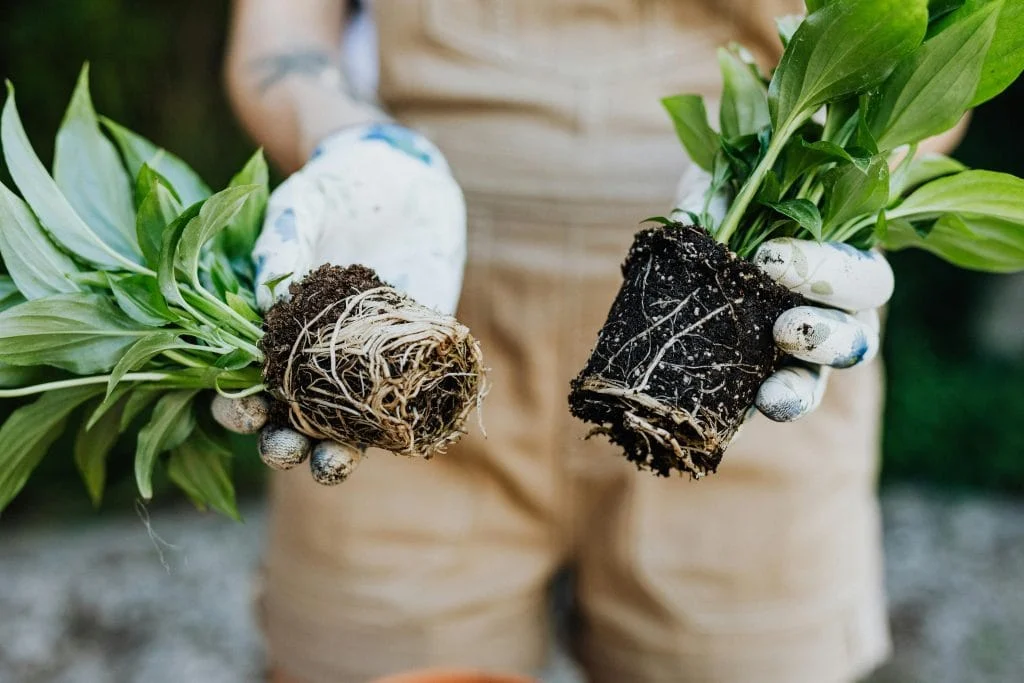
Root rot is a sneaky way for plants in the garden or in pots to die, as it breaks down the roots below the surface. What you see happening to the plant on top, though, usually looks like you’ve just given it too much water or the plant isn’t getting enough food. Most of the time by the time gardeners figure out a plant has root rot, it’s already quite bad and there isn’t much time left to save it. Experts in plant diseases say root rot is one of the three most common reasons garden plants die, and it’s the number one reason for plants in containers to die, and this is often because of drainage issues and too much watering.
“Root rot” is how we describe the problem, not a specific illness. Many fungi that live in the soil, like Phytophthora, Pythium, Fusarium and Rhizoctonia, are responsible for root rot when the soil is soaking wet. These fungi are in almost all garden soil in small quantities, and when the soil drains well and the roots can get air, they’re more or less asleep and won’t do anything. But, if the soil is full of water and the roots are cut off from oxygen, the fungi become active, start to damage roots that aren’t strong, and can destroy all the roots in from a few days to a couple of weeks, depending on things like the temperature.
Recognizing Root Rot Before It Becomes Fatal
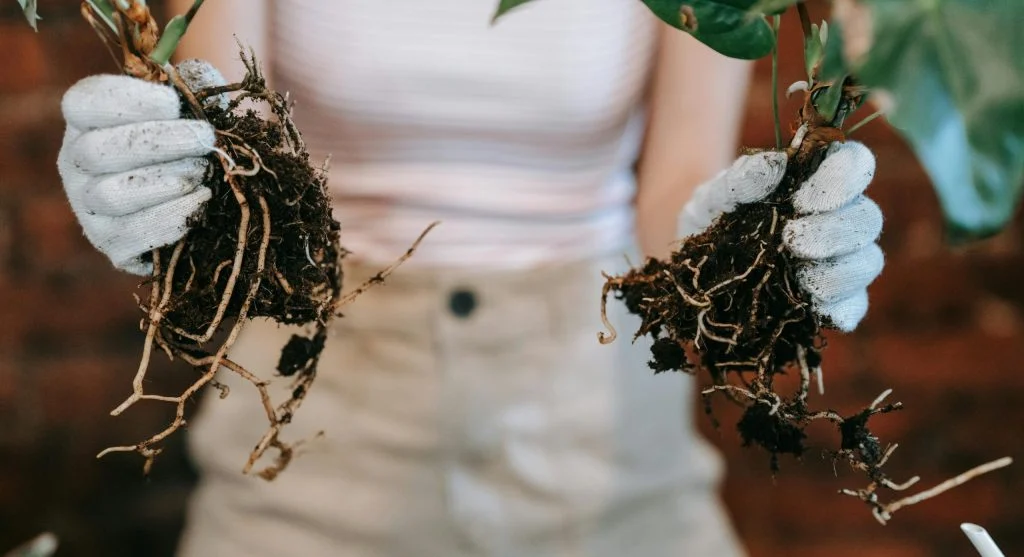
When root rot first shows itself, the plant will start to droop as if it needs water, even though the soil is wet, the lower leaves will turn yellow, and it will generally look unwell. Watering or giving it plant food won’t help. These symptoms are very similar to what happens when you water a plant too much – and in fact, overwatering is the main reason for root rot, so the two are strongly connected. The best way to be sure what’s going on is to look at the roots. Healthy roots are white or a creamy colour, are solid when you gently squeeze them, and smell of fresh earth. Roots with rot will be brown or black, soft and breaking down in your hands or be slimy, and can have a bad, rotting smell. With plants in pots, you can easily pull the entire root system out of the container for a quick look. If it’s a plant in the ground, carefully dig around the base of the stem to expose the upper roots so you can see what they are like.
Credit: Sasha Kim / Pexels
Treating Root Rot in Container Plants
If your potted plant has root rot that isn’t too far along (so you can still see some good white roots amongst the bad), you can often save it, but you need to act quickly. Take the plant out of its pot and carefully rinse all the old soil off the roots with water. With clean, sharp scissors or pruning shears, get rid of any roots that are brown, mushy, or slimy and disinfect your tools with rubbing alcohol between each snip. Also, get rid of roots that fall apart at a touch, because they’re dead and won’t get better. You should be left with only firm, white, healthy roots, and you might have to remove over half of the roots to achieve this.
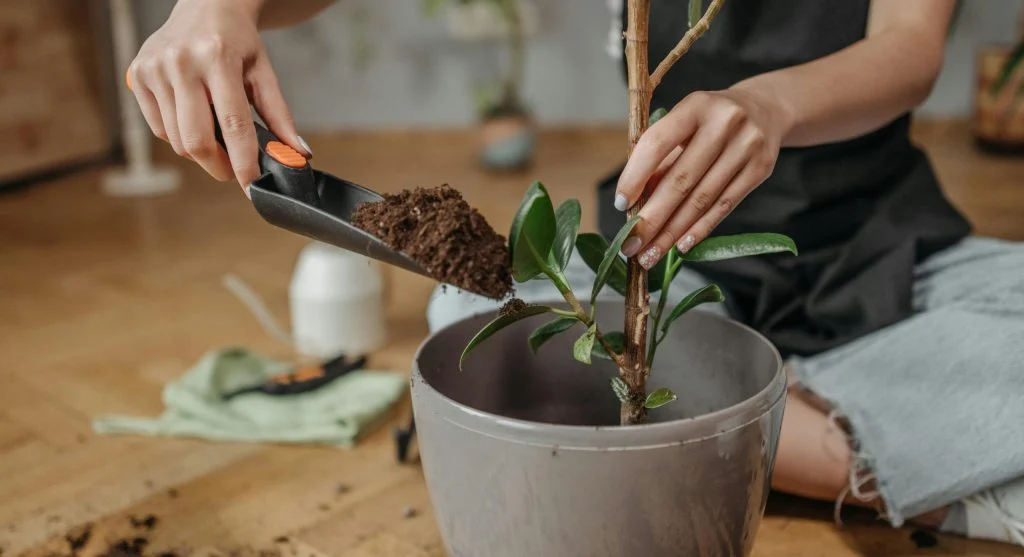
Use a clean pot (or the original, after being really well cleaned with a weak bleach solution) and fresh, sterile potting mix that drains well to repot. The new pot absolutely needs drainage holes. After repotting, don’t water much, just enough to get the soil to settle, and put the plant in a bright spot that doesn’t get direct sun while the smaller root system gets going. And for at least six weeks, don’t use any fertilizer; damaged roots are easily burned by it. With enough healthy root left, the plant should improve in two to six weeks.
Managing Root Rot in the Ground
Root rot in the ground is trickier to handle because you can’t just swap out the bad dirt. If the plant is small enough to get out of the ground, you can cut away the rotten roots and replant it, but this time in a heap of good, enriched earth that’s higher than the soil around it. This helps the roots to drain better as they recover. For bigger plants, bushes and trees that are too large to dig up, the main thing to do is fix what caused the rot in the first place: get water flowing away from the roots, water less, and make the soil around it better by mixing in lots of things from plants and so on. Badly damaged plants in the ground might not make it if too many of the roots are already ruined by the time you realize what’s happening.
Credit: ROCKETMANN TEAM / Pexels
Prevention: The Most Effective Treatment
It’s a lot easier to stop roots from rotting in the first place than to try to fix them when they do. And the most important thing you can do to prevent root rot is to make sure water drains well wherever you’re growing things. For plants in containers, use pots with lots of drainage holes, a potting mix that drains easily, and don’t let water collect in the tray under the pot for more than half an hour after you’ve watered. Outside in a garden, slope the land so water flows away from your plants, and if you have heavy clay soil, dig in compost and other organic materials to help drainage. Using raised beds solves most drainage problems in the ground as they lift the roots above the level of groundwater. Most importantly, to prevent root rot, water when the soil actually needs it (as you’d find out by testing the soil), not on a set day…this will allow the soil to dry out so roots can get the air they need to be healthy.
Key Takeaway
When the ground stays too wet, fungi that are already in the soil start to work and destroy the roots because they’re cut off from oxygen. You can tell if a plant has root rot by the roots being brown, soft and smelly (good roots are white and firm). Often you can rescue plants in pots by getting rid of all the rotten roots, putting the plant in new soil that drains well, and watering it less. In fact, it’s a lot better to stop rot from starting by ensuring good drainage, only watering when the soil needs it, and using a soil mix that water can easily flow through, than to try and fix it once it’s already happened.